Numbness in the Tongue or Lip That Won’t Resolve – Is It Oral Cancer?
3 months ago 357

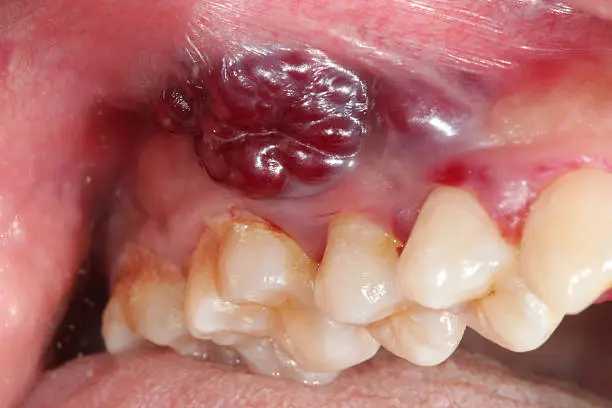
A temporary tingling sensation in the lip after a dental injection, or a numb tongue following an accidental bite - these pass within hours and mean nothing. However, when numbness in the tongue or lip persists for days or weeks without any clear trigger, it crosses a threshold that deserves attention rather than reassurance.
Persistent oral numbness is not always sinister, but it is one of the early oral cancer symptoms that patients and clinicians alike should not dismiss. The mouth is a site where cancers, if caught early, are highly treatable. Recognising when a symptom has stayed too long - and acting on that recognition - is the simplest and most powerful tool available.
The mouth is richly supplied with sensory nerves - branches of the trigeminal nerve primarily - that register touch, temperature, and pain across the tongue, lips, palate, and gums. When a tumour develops within the oral cavity or in the surrounding structures, it can exert direct pressure on these nerve branches, infiltrate the nerve sheath, or disrupt the local tissue environment in ways that alter nerve signalling.
The result is a persistent numbness, tingling, or altered sensation that does not follow the pattern of a typical injury or infection. Unlike the temporary numbness caused by dental anaesthetic or nerve compression from sleeping awkwardly, cancer-related nerve involvement tends to be progressive rather than resolving. It may begin as a mild, intermittent tingling and gradually intensify into a fixed area of reduced or absent sensation. This specific quality - persistence and slow worsening - is the clinical flag that should prompt evaluation.
Numbness of the tongue or lip rarely occurs as a completely isolated finding in oral cancer. It is almost always part of a broader constellation of oral cancer symptoms, some of which may appear before the numbness, others alongside or after it. Awareness of the full picture helps both patients and healthcare providers reach the right conclusions faster.
It bears repeating: the majority of people who experience numbness in the tongue or lip will have a non-cancerous explanation. The goal is not to create alarm but to establish clarity about which situations genuinely require investigation.
Understanding who faces elevated risk helps contextualise a symptom. Persistent numbness in someone with no lifestyle risk factors carries a different weight than the same symptom in someone with a decades-long history of tobacco use. That said, oral cancer can and does occur in people with no obvious risk profile, which is why symptoms should be evaluated on their own merits.
The threshold for seeking evaluation should be lower than most people assume. Many oral cancers are initially dismissed as dental problems, vitamin deficiencies, or stress - and valuable diagnostic time is lost as a result. A haematology or oncology workup is not required at the first sign of numbness, but a thorough oral examination by a specialist certainly is.
If you are based in or near Mumbai and are experiencing any of these symptoms, an evaluation by the best oncologist in Mumbai - one with a head and neck or oral oncology specialisation - will ensure that the correct investigations are ordered promptly and interpreted in the right clinical context.
Oral cancer is one of the most accessible cancers to detect early - the mouth is visible, reachable, and regularly examined by dentists. Yet it remains one of the cancers most commonly diagnosed at an advanced stage, largely because early symptoms are subtle and easily rationalised away.
At Stage I and II, oral cancers are typically treated with surgery or radiation alone, with five-year survival rates exceeding 80 percent. At Stage IV, treatment becomes considerably more complex, and outcomes decline sharply. The calculus of early detection is straightforward: a two-week specialist appointment today may avoid months of intensive treatment later.
Numbness in the tongue or lip that does not resolve on its own is a symptom that belongs in a clinic - not on a list of things to monitor indefinitely. While the cause is more often benign than malignant, oral cancer remains a very real possibility, particularly in the presence of risk factors or accompanying warning signs.
The body’s signals are worth taking seriously. If you or someone you care for has been living with unexplained oral numbness, persistent ulcers, or any of the other symptoms described above, seek a specialist opinion without delay. Early answers make for better outcomes - always.
Comments (0)