The Role of Physiotherapy Before and After Knee Replacement Surgery
1 month ago 116

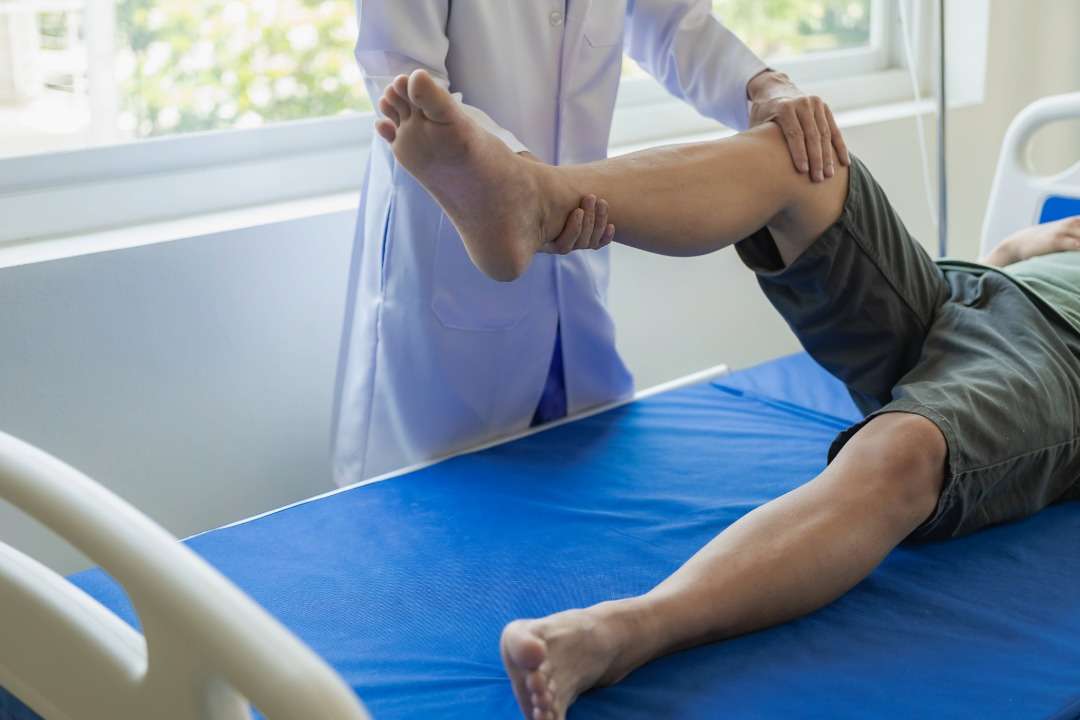
Knee replacement surgery may be considered for individuals experiencing chronic knee pain, reduced mobility, or joint degeneration that affects daily activities. While the surgical procedure is an important part of treatment, physiotherapy commonly plays a significant role both before and after surgery.
Physiotherapy may help patients prepare physically for surgery, improve recovery after the procedure, and support long-term mobility. Understanding the role of physiotherapy before and after knee replacement surgery may help individuals better prepare for rehabilitation and recovery expectations.
Knee replacement surgery involves removing damaged portions of the knee joint and replacing them with artificial components designed to support movement and function.
The procedure may be discussed for patients experiencing conditions such as:
Recovery after surgery often involves a structured rehabilitation programme aimed at restoring strength, flexibility, and walking ability.
Physiotherapy is commonly integrated into both the preparation phase before surgery and the rehabilitation phase after surgery.
Some patients may begin physiotherapy before undergoing knee replacement surgery. This phase is sometimes referred to as prehabilitation.
The purpose of prehabilitation may include:
Stronger muscles surrounding the knee joint may help support stability both before and after surgery. Patients who participate in physiotherapy before surgery may also become more familiar with exercises that continue during rehabilitation.
Prehabilitation programmes may involve different types of exercises depending on the patient’s physical condition and mobility level.
Strengthening exercises may focus on muscles that support the knee joint, including the quadriceps, hamstrings, and calf muscles.
These exercises may help improve:
Examples may include seated leg raises, controlled squats, or resistance exercises guided by a physiotherapist.
Joint stiffness may affect knee movement before surgery. Flexibility exercises may help maintain or improve range of motion in the knee joint.
Stretching exercises may also support comfort during daily activities and prepare the joint for rehabilitation after surgery.
Patients may practise functional movements such as:
Learning these movements before surgery may help patients feel more confident during the recovery process.
Physiotherapy often begins shortly after surgery while the patient is still recovering in hospital.
Early rehabilitation may focus on:
Patients may begin standing or walking short distances with assistance depending on their condition and recovery progress.
Pain and swelling are common during the early stages after surgery. Cold therapy, elevation, and prescribed medication may help manage discomfort during rehabilitation.
Physiotherapists may also teach patients how to move safely when getting out of bed, walking, or using stairs.
As recovery progresses, physiotherapy exercises may gradually become more structured and active.
During the early stages of rehabilitation, exercises may focus on gentle knee movement and circulation.
These may include:
The aim is often to reduce stiffness and encourage gradual movement.
As healing continues, strengthening exercises may become more challenging.
These exercises may focus on:
Patients may gradually increase exercise repetitions and walking distances under professional supervision.
Functional rehabilitation may help patients return to everyday activities safely.
This may include practising:
The rehabilitation programme may be adjusted based on the patient’s recovery progress and physical goals.
Recovery after knee replacement surgery may involve temporary physical and emotional challenges.
Recovery following knee replacement surgery may progress gradually over several months.
Recovery experiences and timelines may differ between individuals.
Several factors may affect rehabilitation after knee replacement surgery.
These may include:
Patients who follow rehabilitation recommendations regularly may gradually improve strength and mobility over time.
Home recovery and safety adjustments may also support rehabilitation progress.
Patients may temporarily modify the home environment to reduce fall risks.
Examples may include:
Following physiotherapy instructions consistently may help support recovery goals.
Patients are often encouraged to continue exercises regularly while avoiding excessive strain on the knee joint.
Patients should seek medical attention if they experience symptoms such as:
Prompt medical review may help identify complications early and support appropriate management.
Physiotherapy commonly plays an important role before and after knee replacement surgery. Rehabilitation programmes may help improve strength, flexibility, movement, and overall recovery throughout the treatment process.
Understanding the role of physiotherapy may help patients prepare for surgery, participate actively in rehabilitation, and support mobility during recovery.
Individuals considering knee replacement surgery or currently undergoing rehabilitation may benefit from discussing physiotherapy plans and recovery expectations with a qualified orthopaedic doctor or physiotherapist.
Comments (0)