What is Neurosurgery? A Complete Guide for Patients
3 months ago 255

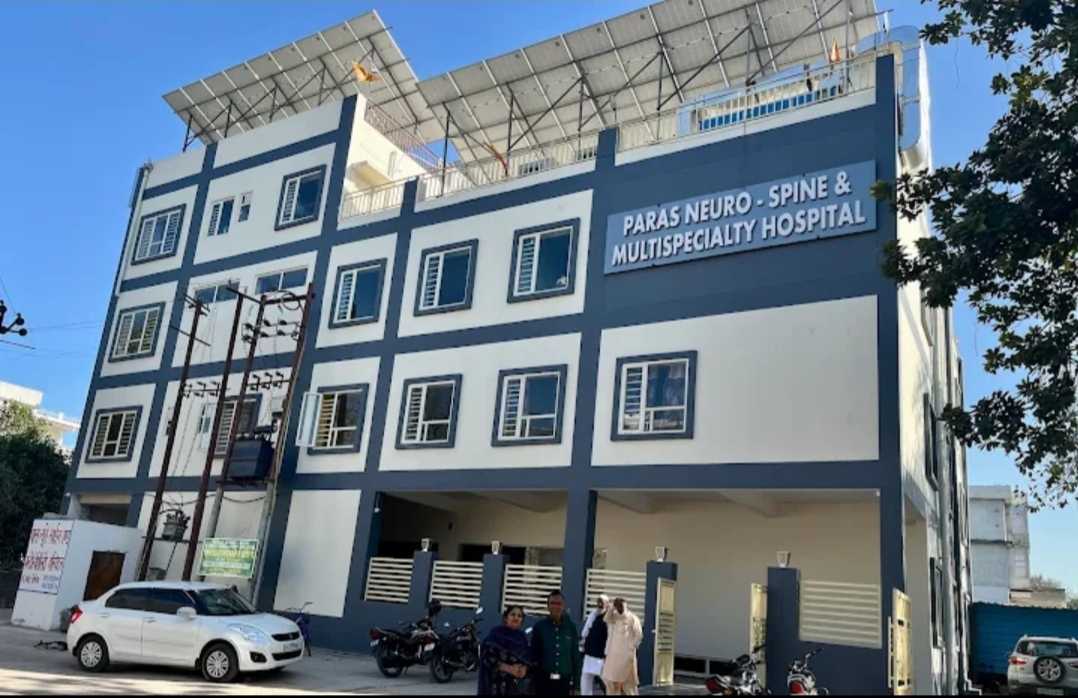
Healthcare has many branches or specialities; one of them is Surgery of the nervous system, i.e. ‘neurosurgery’. A branch of healthcare that deals with cases related to the brain, spine and rest of the nervous system. A subspecialty of Neurosurgery, NeuroSpine has undergone a sea change in the last few years; all procedures are now made safe to ensure that the patient can get back to normal life in a short period of time.
Now the task remains to choose the best neurosurgeon and the best neurosurgery hospital with world-class facilities for the treatment.
In this blog, we would like to explain what Neurosurgery is, the common conditions treated by neurosurgeons, the various Neurosurgery disciplines and when you should seek consultation with a neurosurgeon.
Neurosurgery is referred to as Brain Surgery. The majority of the operations performed by neurosurgeons deal with the brain and spine. There are a lot of nerves in the human body, and some of the nerves outside the brain and spinal cord can be treated by neurosurgery as well. Some of the conditions that affect the nerves, the spinal cord and the brain can be treated without an operation. Most cases require an operation to give the proper treatment to the patient.
Advancements in modern neurosurgery have enabled healthcare providers to quickly and successfully treat a wide variety of complex health conditions affecting the brain and spinal cord as well as nerves throughout the body.
Brain Tumours: There are many different varieties of brain tumors, but they all have one thing in common, and that is that they affect speech, vision, balance and thought. Most of these types of tumours are removed by surgery.
Before surgery, the Neurosurgeon can use the very latest diagnostic tests to pinpoint the location of the tumour and then decide the best course of action to completely remove the tumor. Ideally a Neurosurgeon would like to remove the whole of a tumor, but this is not always possible due to the tumor’s location in relation to other sensitive parts of the brain.
Some NeuroSpine disorders include slipped or herniated discs, spinal stenosis, spondylolisthesis, spondylosis and many more neurospine conditions which could be very severe or chronic in nature.
Fortunately, today’s neurosurgery has advanced to a great extent and with the use of latest technology and latest neurosurgical techniques, it is possible to treat NeuroSpine disorders such that no permanent disability is caused to the patient and he is able to come out of the pain and other symptoms of the disorder in no time.
|
Looking for Expert Neurosurgical Care? Consult & get evaluated by the best neurosurgery specialists and get the best treatment option for your neurological condition. Schedule an Appointment Now! |
|
Looking for Expert Neurosurgical Care? Consult & get evaluated by the best neurosurgery specialists and get the best treatment option for your neurological condition. Schedule an Appointment Now! |
Any head or neck injury can cause serious neurological damage. It is very important to seek medical help as soon as possible to ensure you receive the best possible treatment to prevent any further complications and to aid your recovery.
Problems that cause nerve compression can be very painful and cause numbness and weakness of certain parts of the body. Although some of these problems can be treated with conservative methods of treatment (e.g. physical therapy, pain medications, injections), others may require surgery to treat.
Some of the common signs and symptoms that will require a consultation with a neurosurgeon are:
Early intervention by a neurosurgeon is always the best course of action to receive the correct and best form of treatment in time to prevent further complications.
| Procedure |
Purpose |
| Brain Tumour Surgery | Removal of brain tumors |
| Spine Surgery | Treatment of spinal disorders |
| Minimally Invasive Neurosurgery | Faster recovery with smaller incisions |
| Trauma Surgery | Management of brain and spine injuries |
| Nerve Surgery | Relief from nerve compression |
Modern neurospine and neurosurgical procedures have several advantages over the previous treatment options.
Minimally Invasive Procedures
There is less pain as there are fewer incisions, less blood loss as there are fewer cut blood vessels, and as a result, less time spent in the hospital, allowing patients to return to full activity very quickly.
Improved Surgical Accuracy
In neurospine & neurosurgery, there are many advances in the treatment of neurological disorders, which have been a boon to the patients in many ways, as they have smaller incisions, less bleeding, a short stay in the hospital and a quick recovery from the illness.
Faster Recovery
Better methods of surgery for the patient and in the rehabilitation of the patient have been devised, and thus a patient is able to return to normal very quickly from the treatment with minimal risk of any complication to him/her.
The most important thing to keep in mind while choosing the best neurosurgeons for the kind of neurosurgery you need is to choose the best for it.
Experience and Expertise
The best neurosurgeons are those who have dealt with cases similar to yours and have years of experience in treating complex neurological and spinal disorders.
Advanced Infrastructure
There should be a hospital with a world-class neurosurgery facility to treat patients with advanced MRI and CT imaging and to use the latest neurosurgery navigation systems.
Personalised Treatment Approach
The best neurosurgical team, first of all, will make the most accurate diagnosis of a patient’s illness. They will then go on to educate their patient and his or her family about their diagnosis. The best neurosurgical team will then operate on their patient to cure his or her illness. After the surgery, the best neurosurgical team will go on to assist their patient’s rehabilitation and long-term care.
|
Persistent Back Pain or Neurological Symptoms? Early diagnosis and treatment of back pain or any neurological problem can prevent complications and also improve treatment outcomes. Book Your Consultation Today! |
Dr Pramod Chaurasia and the team of Paras Neurospine and Multi-Specialty Hospital are practitioners of modern neurosurgery and neurospine treatments for various disorders of the brain, spine and nerves.
We treat our patients with the best neurosurgeons and a hospital with a world-class facility neurosurgery setup for any medical problem of our patients to give them the best treatment with their safe and early recovery so that they can get back to their normal activities as early as possible.
Neurosurgery is a medical speciality that treats problems of the brain, spinal cord and nervous system, including brain tumours, spinal disorders such as slipped discs, and nerve compression disorders of all kinds.
When is it time to see a neurosurgeon? There are many situations where a neurosurgeon needs to be consulted. Some of these situations are persistent back pain, severe headaches, numbness, weakness, etc., that could be impacting one’s ability to function on a daily basis.
Nowadays, neurospine surgery is safe, as it is done using the latest technology; almost all the cases are managed by minimally invasive methods. This results in precise management of the case with minimal trauma to soft tissues, which results in early recovery of the patient.
Comments (0)