How Telehealth Clinics Make Personalised Healthcare More Accessible
Telehealth, also called virtual care or an online clinic, lets you speak with a clinician by video call, phone, or secure messaging instead of visiting a practice in person. For many Australians, including people in regional areas, carers, shift workers, and people with mobility challenges, it can make routine healthcare easier to fit into daily life.
Telehealth can also make care feel more personal. Clinics may let you choose how you communicate, when you are seen, what language support you need, and how follow-ups are managed. This guide explains how that works, when telehealth is a good fit, what to check before booking, and how to prepare for a safe appointment.
Important: Telehealth is not for emergencies. If you or someone near you is experiencing a life-threatening situation, call 000 immediately. The information below is general only. Always seek advice from a qualified clinician about your own health needs.
Key Takeaways
- Telehealth can adapt to your situation, letting you choose when, how, and where you connect with a clinician.
- It works best for everyday, non-urgent issues such as prescription renewals, mild symptoms, mental health check-ins, and chronic-condition reviews.
- It can improve access for people who face barriers, including distance from a clinic, limited mobility, time constraints, or language differences.
- Before you book, check the basics: AHPRA registration, a clear privacy policy, transparent pricing, and accessibility features.
What Telehealth Clinics Actually Do
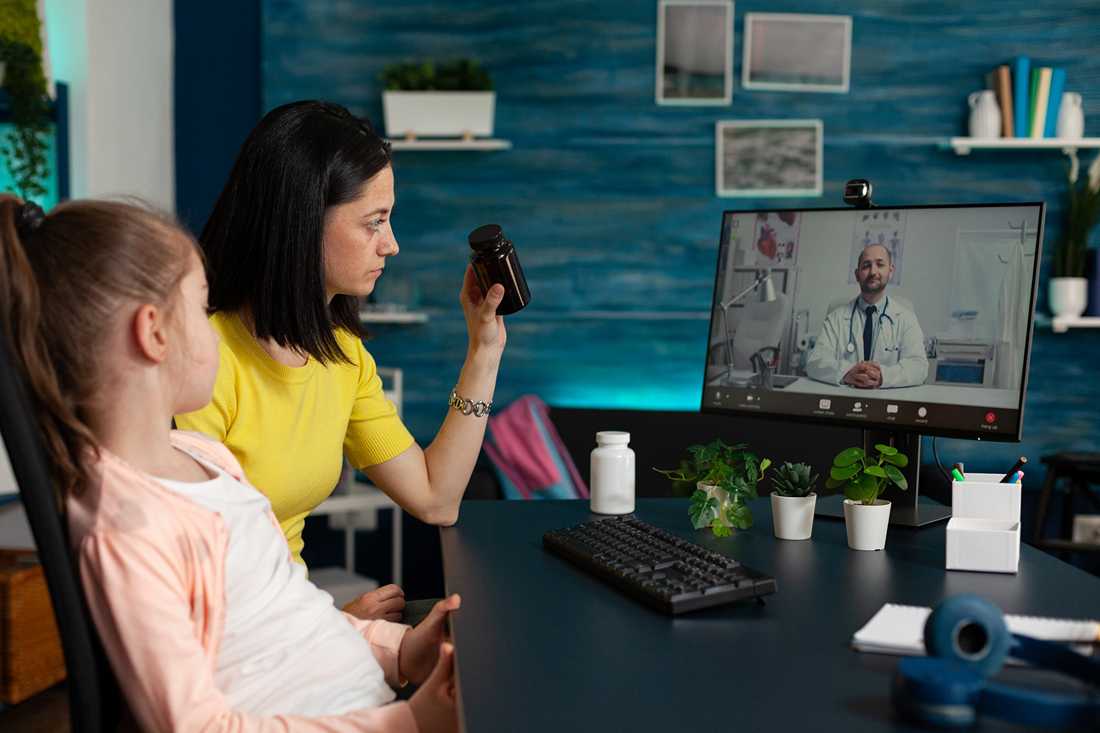
A telehealth consultation usually follows a simple process. You book a time, describe your concern, and speak with a clinician by video or phone. Some clinics also offer asynchronous messaging, where you send details and photos and a clinician responds within an agreed timeframe.
After your consult, the clinic can help coordinate next steps with services you already use. Electronic prescriptions are supported nationally, so you may receive a token to present at a participating pharmacy. Pathology or imaging referrals can be sent to a local provider. Follow-up plans, consult notes, and prescriptions can be uploaded to My Health Record if you choose, and you can manage your own access controls.
How Personalisation Happens
One practical advantage of telehealth is that clinics can adapt the experience to individual needs rather than offering the same visit format to everyone.
- Intake and triage. A short questionnaire before your appointment can help route you to the right clinician or the most suitable channel, such as video, phone, or messaging.
- Preference capture. Many clinics let you record details such as pronouns, preferred language, or whether you need captioning or an interpreter. Interpreter services may be available for telehealth appointments in Australia, so ask the clinic about access and any costs.
- Continuity. Some services let you see the same clinician each time or share notes across a care team, so you do not have to repeat your history.
- Tailored plans. Clinicians can send self-care guidance, medication reminders, or follow-up prompts suited to your situation. These are suggestions, not guarantees of a particular outcome.
When Telehealth Is a Good Fit
Telehealth tends to work well for common, non-urgent issues where a physical examination may not be the first step. Examples include:
- Prescription renewals for stable medications
- Mild respiratory or urinary symptoms without red-flag signs
- Simple skin concerns reviewed through photos and a consult
- Mental health check-ins and counselling
- Chronic-condition reviews, such as diabetes or asthma management
A clinician may still direct you to an in-person appointment if they need a hands-on assessment. Telehealth supports everyday care, but it does not replace all face-to-face consultations.
When In-Person Care Is Better
Certain symptoms need immediate, hands-on assessment and should not be managed remotely. Seek urgent in-person care or call 000 for situations such as:
- Severe chest pain or difficulty breathing
- Heavy or uncontrolled bleeding
- High fever in infants or young children
- Injuries that need physical examination
- Sudden neurological symptoms, such as weakness, confusion, or slurred speech
If you are unsure and symptoms may be serious, call 000 or contact an appropriate urgent care service. Official health authority websites and state ambulance services publish red-flag guidance that can help you decide.

Accessibility Benefits
Telehealth can reduce several barriers that make in-person visits difficult.
- Distance and travel. People in regional and rural Australia can consult a clinician without a long drive.
- Mobility and disability. Appointments from home reduce the need to navigate transport, parking, and waiting rooms.
- Time constraints. Busy parents, shift workers, and carers can often find a slot that fits around other commitments.
- After-hours access. Some clinics offer evening or weekend appointments.
- Inclusive features. Look for clinics that provide captioning, interpreter access, low-data connection modes, and the option for a carer to join the call with your consent.
Costs and Coverage in Australia
Some telehealth consultations may attract a Medicare rebate under current MBS (Medicare Benefits Schedule) rules. Eligibility depends on the type of appointment, the provider, and whether they bulk-bill or charge a gap fee. Private health insurance may also cover certain services, depending on your policy.
Out-of-pocket costs vary between clinics and appointment types. Before booking, check the clinic's pricing page, ask about rebates, and verify your eligibility for telehealth MBS items through MBS Online or Services Australia. Avoid relying on quoted figures from third-party websites, as fees and rebate rules can change.
Privacy and Safety
When sharing health information online, it is reasonable to ask how your data is handled. Here is what to look for:
- AHPRA registration. Clinicians providing care in Australia must be registered. You can verify a provider's status on the AHPRA public register at ahpra.gov.au.
- Privacy policy. Australian healthcare providers must handle personal information in line with the Australian Privacy Principles (APPs). A reputable clinic should publish a clear policy explaining how your data is collected, used, and stored.
- Informed consent. You should be told what the consultation involves and how your information may be shared before it begins.
- Secure platform. Look for encrypted video and messaging systems designed for healthcare.
- My Health Record. You can choose whether consult notes and prescriptions are uploaded, and you can manage access controls through your My Health Record settings.
How to Choose a Telehealth Clinic
Use the checklist below to compare options before you book.

- Confirm the clinician's AHPRA registration by searching at ahpra.gov.au.
- Check transparent pricing and whether Medicare rebates apply.
- Understand the scope of care offered and how the clinic escalates issues that need in-person attention.
- Look for information about clinical guidelines and quality processes.
- Read the privacy policy and note where data is stored.
- Ask about interpreter services, captioning, and low-data options.
- Review the follow-up process, including how results, referrals, and next steps are communicated.
- Check how prescriptions and test referrals are handled, including electronic prescriptions and local lab coordination.
- Look for reviews or feedback from reputable sources.
- Note inclusive care indicators such as pronoun fields, multilingual support, and carer participation options.
Where to Look First
- Start with your usual GP practice, which may already offer telehealth appointments.
- Check your health insurer's provider directory for covered options.
- Compare a few clinic websites while confirming AHPRA registration and a clear privacy policy before you book.
When comparing clinic websites, a brand example such as Bobbi is informational only, not an endorsement; still, confirm AHPRA registration and a clear privacy policy before you book.
Preparing for Your Appointment
A little preparation helps you get more from a telehealth visit.
- Test your device, camera, microphone, and internet connection ahead of time.
- Find a quiet, well-lit space where you can speak privately.
- If relevant, take clear photos of a skin concern or symptom beforehand.
- Have your Medicare card or other ID nearby.
- Write down your current medications, allergies, and any questions you want to ask.
- Plan for follow-up by asking how you will receive results, referrals, or prescriptions.
Making Telehealth Work for You
Telehealth can make everyday healthcare more personalised and accessible, whether you live hours from a clinic, have a packed schedule, or prefer the flexibility of a virtual visit. It is not a replacement for all in-person care, but for many routine needs it offers a practical alternative.
Before your first booking, take a few minutes to verify registration, pricing, privacy, and the clinic's process for urgent or in-person follow-up. When you know what to look for and when to seek face-to-face care instead, you can use telehealth more confidently.

Comments (0)