How to organize your medical trip to Istanbul: The complete step-by-step guide
2 months ago 222

Istanbul has quietly become one of the world's most sought-after destinations for medical travel. Every year, hundreds of thousands of international patients land at Atatürk or Sabiha Gökçen airport not for its skyline or its bazaars, but for a rhinoplasty, a dental overhaul, a hair transplant, or a cardiac procedure that would have cost two to three times more back home.
The numbers speak for themselves. Turkey welcomed over 1.4 million medical tourists in 2024, a figure that keeps climbing. And Istanbul, with its cluster of JCI-accredited hospitals and internationally trained surgeons, is the engine behind that growth.
But a medical trip abroad is not a holiday package. It requires preparation, the right partners, and a clear understanding of each step, from the first web search to your follow-up appointment back home. This guide covers everything you need to know.
Before anything else, get precise about what you want treated and why. This sounds obvious, but many patients arrive in Istanbul with vague expectations ("I want to look better," "my doctor back home suggested surgery") and end up frustrated, not because of the care they received, but because they hadn't clarified what success would look like.
Write down:
This medical summary will be the foundation of every consultation you request. A good platform or coordinator will ask for exactly this information before presenting any options.
This step is where most patients either save time and money, or waste both.
Istanbul's medical market is large and, like any large market, uneven. There are outstanding hospitals and mediocre ones. There are surgeons with two decades of international experience and others who list credentials they've embellished. Going directly to a clinic you found through a social media ad, without independent verification, is a risk that seasoned medical travelers rarely take twice.
A trusted intermediary can make the entire process far more secure and manageable. Platforms such as Turquie Santé help international patients compare clinics, organize logistics, and communicate more easily with healthcare providers before traveling to Turkey.
, operates by pre-screening clinics, verifying surgeon credentials, facilitating transparent pricing, and assigning each patient a dedicated multilingual coordinator. Its network includes more than 70 certified partner clinics across Istanbul, Ankara, Antalya, and Izmir, selected according to strict quality standards, including JCI accreditation.
What to look for in a platform:
Reputable platforms and clinics will offer you a free remote consultation before you commit to any appointment or travel. This is non-negotiable, skip any provider who asks you to pay first and "sort out the details later."
During this teleconsultation, a specialist will:
Use this stage to assess communication quality as much as medical content. How responsive is the coordinator? How clear is the surgeon's explanation? Do they flag risks as readily as they highlight outcomes? These early signals are reliable predictors of your experience on the ground.
Send your full medical file, blood tests, imaging, prior surgical reports, before the call. The more complete your documentation, the more precise the advice you'll receive.
Once the medical side is confirmed, Istanbul logistics are actually quite manageable — the city is experienced at receiving international patients.
Flights: Istanbul has two international airports. Most European and North African flights land at Istanbul Airport (IST), the newer and larger hub. Sabiha Gökçen (SAW) on the Asian side handles many low-cost carriers. Check which one is closer to your clinic before booking — the difference in transfer time can be significant.
Timing: Book flights with enough buffer before your procedure (arrive the evening before, not the morning of) and plan your return based on your surgeon's clearance to fly. For procedures involving general anesthesia or significant swelling — such as rhinoplasty or liposuction — most surgeons recommend waiting at least 5–7 days before flying.
Accommodation: Many clinics have affiliated hotels nearby, or platforms like Turquie Santé arrange this as part of the package. If you're arranging it independently, prioritize proximity to your clinic over price. After surgery, you don't want a 45-minute cab ride to your follow-up appointment.
Documentation: Bring printed copies of your medical file, your passport, your travel insurance policy, and a translated version of your treatment plan. Keep these in your hand luggage.
Every intervention has its own pre-operative rules and recovery timeline. Below are the most common procedures requested in Istanbul, with key logistical notes:
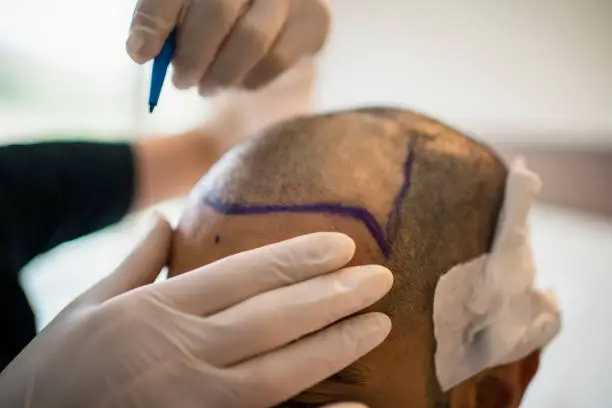
Hair restoration is one of Istanbul’s most popular procedures, attracting thousands of international patients every year. Many specialized clinics now offer advanced FUE and DHI techniques tailored to each patient’s hair density and goals.
If you are considering a hair transplant in Turkey, choosing the right clinic is essential. Differences in medical expertise, hygiene standards, and post-operative care can greatly affect the final results. Recovery usually requires 10 to 14 days of careful aftercare. Patients should avoid direct sun exposure, swimming, and intense physical activity during this period. While many people fly home after three or four days, others prefer to stay longer for follow-up appointments and a more comfortable recovery.
Expect a minimum of 7–10 days in Istanbul. Swelling is significant in the first week, and most surgeons require a follow-up before clearing you to fly. Book a flexible return ticket if possible.
Complex dental work — implants with bone grafting, full-arch restorations — may require two separate visits. Discuss the full treatment timeline with your dentist before booking anything.
These procedures require a pre-operative workup (blood tests, cardiac clearance, nutritional consultation) that your coordinator should arrange in advance. Plan for 5–7 nights in Istanbul and arrange follow-up with a bariatric specialist back home before you travel.
One of the fastest recovery procedures — many patients are cleared to fly within 48–72 hours. Still, avoid dusty environments and screens for the first few days.
The morning of your intervention, keep things simple:
Your clinic's coordinator should meet you at the entrance or at least be reachable by phone throughout the day. If no one has briefed you on what to expect hour by hour, ask, before you go in, not after.
The days immediately following your procedure are medically the most important. Follow your post-operative instructions precisely: medication schedules, wound care, dietary restrictions, activity limits.
Before leaving Istanbul, ensure you have:
Quality platforms maintain contact with patients after they return home — a coordinator who disappears the moment you land back is a warning sign worth flagging in your review.
This step benefits every future patient who does what you did: research carefully before trusting a clinic with their health.
Verified reviews on Trustpilot, Google, or the platform you used are the single most useful signal for patients who come after you. Be honest, specific, and include practical details — wait times, communication quality, surgeon's bedside manner, how complications (if any) were handled. These reviews are the infrastructure that makes medical tourism accountable.
Comments (0)