Clear Vision for Life Starts With Small Choices Made Early
2 months ago 150

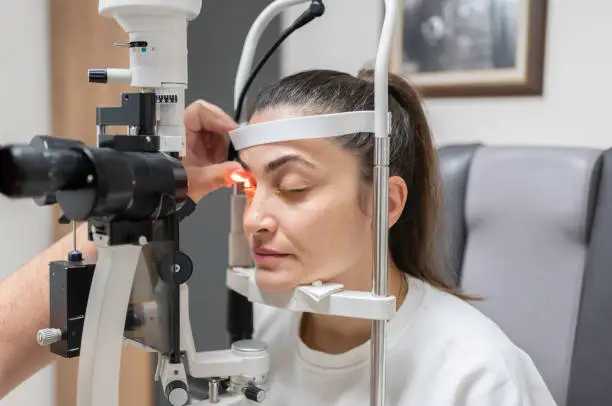
A clear vision for life does not usually come from one big decision. It comes from small choices repeated over time: scheduling eye exams, wearing sunglasses, protecting the eyes during sports, using contact lenses safely, sharing medical history, and responding quickly when vision changes. Daniel M. Cotter, MD, noticed that patients searching for an ophthalmologist in Buffalo often have an immediate reason for the visit, but lifelong eye care is about more than solving today’s concern.
Vision protection works best when it begins early and adapts as life changes. Children need healthy visual development. Teens and adults need protection from injuries, UV exposure, screen strain, and contact lens problems. Older adults need monitoring for cataracts, glaucoma, diabetic retinopathy, age-related macular degeneration, and other conditions that can threaten independence.
Daniel M. Cotter, MD, says: “At Eye Care & Vision Associates, eye care is about protecting vision through every stage of life with careful exams, clear communication, and treatment plans that fit each patient’s needs.”
Lifelong vision protection is built from small habits that start before vision loss begins.
Everyday habits can protect your eyes for decades because many eye risks build slowly. Sun exposure, contact lens misuse, untreated medical conditions, sports injuries, dry eye, and missed exams can all affect long-term eye health.
The National Eye Institute recommends practical steps such as getting a comprehensive dilated eye exam, wearing sunglasses that block 99 to 100 percent of UVA and UVB radiation, staying active, and protecting eyes from injury.[1]
These habits may sound simple, but they help reduce avoidable risk over time. Prevention is not dramatic, but it is powerful when repeated for years.
Patients should think of eye care as part of general health maintenance. A person who sees clearly today may still benefit from routine exams because some eye diseases have no early symptoms. A person who spends long hours outside may need stronger UV protection. A person who plays sports may need protective eyewear. A person with diabetes or high blood pressure may need closer retinal monitoring.
Small choices matter because the eyes are used constantly. Protecting them should feel as ordinary as brushing teeth, wearing a seat belt, or checking blood pressure.
Healthy kids’ vision can support learning, coordination, reading, play, and confidence. Children may not know how to explain blurry vision, double vision, or poor depth perception. They may assume everyone sees the same way they do.
The American Academy of Ophthalmology explains that childhood vision screening helps identify possible eye problems and can lead to a comprehensive eye exam when needed.[2]
Early attention can help detect concerns such as refractive errors, amblyopia, strabismus, and other developmental vision issues.
Children often show vision problems through behavior before they describe them with words.
Parents should watch for squinting, head tilting, eye rubbing, closing one eye, sitting very close to screens, avoiding reading, headaches, poor hand-eye coordination, or an eye that turns inward or outward. A failed screening, family history of eye disease, developmental concerns, or symptoms should prompt a more complete evaluation.
Healthy vision can change how a child participates in school and daily life. A child who sees clearly may read more comfortably, follow classroom lessons more easily, and feel more confident during activities.
UV protection and sports safety reduce avoidable risk because some eye injuries and exposure-related damage can be prevented. Sunglasses are not only a comfort item. They are part of protecting the eyes from ultraviolet radiation.
The National Eye Institute recommends sunglasses that block 99 to 100 percent of UVA and UVB radiation, even on cloudy days.[1]
This matters for children, teens, adults, and seniors. Bright summer days, snow glare, water reflection, and outdoor work can all increase exposure.
Sports safety also matters. The American Academy of Ophthalmology recommends protective sports glasses with polycarbonate lenses for many activities because polycarbonate is shatter-resistant and helps protect against eye injury.[3]
Eye protection works best when it is worn before the accident happens.
Athletes, children, weekend players, and active adults should use sport-appropriate protective eyewear. Regular glasses are not the same as protective sports eyewear. Patients who play basketball, baseball, racquet sports, soccer, hockey, or other higher-risk activities should ask what protection fits their activity.
Preventing one serious injury can protect vision for a lifetime.
Contact lens hygiene protects more than comfort because contact lenses sit directly on the eye. Improper wear or cleaning can increase the risk of infection, irritation, and corneal problems.
The CDC states that contact lenses can be effective for vision correction, but they must be worn and cared for properly to avoid eye infections.[4]
The CDC also recommends removing lenses before sleeping, showering, or swimming, using fresh contact lens solution, and never storing lenses in water.[5]
Contact lenses are medical devices, not casual accessories.
Contact lens wearers should wash their hands before handling lenses, follow replacement schedules, avoid sleeping in lenses unless specifically instructed, replace cases regularly, and bring backup glasses when traveling. Redness, pain, light sensitivity, discharge, or blurry vision while wearing contacts should not be ignored.
Good contact lens habits can protect both comfort and vision. A patient who treats lenses casually may increase the risk without realizing it. A patient who follows instructions consistently can often reduce avoidable problems.
Midlife vision changes often tell patients that the eyes are entering a new stage. Reading may become harder. Dry eye may become more noticeable. Night driving may feel less comfortable. Prescriptions may shift. Early cataracts or glaucoma risk may begin to matter more.
Presbyopia, the age-related loss of near focusing ability, often becomes noticeable in the 40s. Patients may hold menus farther away, need brighter light, or switch between glasses more often. These changes can be normal, but they should not be the only reason to schedule care.
Midlife is the time to become more proactive about eye health, not less.
Adults should ask about eye pressure, optic nerve appearance, retina health, dry eye, family history, and exam frequency. Patients with diabetes, high blood pressure, autoimmune disease, high prescriptions, or a family history of glaucoma may need more careful monitoring.
Midlife is also when lifestyle and risk tolerance become more important. A screen-heavy worker may need dry eye management. A contact lens wearer may need updated lens options. A patient noticing glare may need cataract monitoring. A patient with a family history of glaucoma may need baseline testing.
Eye doctors monitor silent conditions before vision loss because some serious diseases develop slowly. Glaucoma and diabetic retinopathy are two major examples.
The National Eye Institute explains that diabetic retinopathy may not have symptoms at first and that people with diabetes should receive a comprehensive dilated eye exam at least once a year.[6]
Glaucoma can also start so slowly that people may not notice symptoms, and a comprehensive dilated eye exam is the only way to find out if someone has glaucoma.[7]
Symptom-free eyes are not always risk-free eyes.
Eye doctors may use dilation, eye pressure checks, optic nerve evaluation, retinal imaging, optical coherence tomography, and visual field testing to monitor risk. These tests help identify whether a condition is stable, progressing, or in need of treatment.
Routine monitoring creates a baseline. When doctors know what a patient’s eyes looked like before, they can better detect meaningful change later. That baseline can protect decision-making for glaucoma, diabetic eye disease, macular degeneration, cataracts, and retinal concerns.
Older adults need a plan for cataracts, glaucoma, and retina health because these conditions can affect independence, safety, and quality of life. Vision supports driving, reading, cooking, medication management, walking safely, recognizing faces, and enjoying hobbies.
Cataracts can cause blurry vision, faded colors, trouble seeing at night, sensitivity to light, and double vision.[8]
Cataract surgery can become a discussion when cloudy vision interferes with daily life. Glaucoma can damage the optic nerve and cause vision loss if not monitored and treated appropriately.[7]
Age-related macular degeneration can blur central vision because it affects the macula, the part of the retina used for sharp, straight-ahead vision.[9]
Protecting older eyes is often the same as protecting independence.
Older adults should not assume every vision change is just aging. Some changes are treatable. Some need monitoring. Some require urgent care. Sudden floaters, flashes, a curtain-like shadow, sudden vision loss, or sudden distortion should be evaluated promptly.
Aging eyes benefit from planning. The plan may include routine exams, cataract evaluation, glaucoma testing, retina monitoring, updated glasses, safety counseling, treatment, or surgery when appropriate.
Better eye health comes from prevention, not guesswork. Patients protect their vision by building habits early, adjusting care as life changes, and seeking exams before symptoms become severe.
Children need vision screening and evaluation when concerns arise. Young adults need UV protection, sports safety, screen comfort, and safe contact lens habits. Adults need proactive exams and attention to medical risk. Older adults need monitoring for cataracts, glaucoma, diabetic eye disease, macular degeneration, and retina concerns.
The strongest eye care plan is the one that grows with the patient.
Patients should ask what their next step should be based on age, symptoms, family history, medical conditions, lifestyle, and risk tolerance. They should also seek prompt care for sudden or unusual symptoms.
A clear vision for life starts with small choices made early and repeated consistently. The sooner patients protect their eyes, the more opportunities they have to preserve the vision they rely on every day.
[1] “Keep Your Eyes Healthy,” by National Eye Institute, updated September 11, 2025.
[2] “Eye Screening for Children,” by American Academy of Ophthalmology, published July 10, 2024.
[3] “Sports Eye Safety,” by American Academy of Ophthalmology, published March 11, 2025.
[4] “About Contact Lenses,” by Centers for Disease Control and Prevention, updated May 27, 2025.
[5] “Preventing Eye Infections When Wearing Contacts,” by Centers for Disease Control and Prevention, updated May 27, 2025.
[6] “Diabetic Retinopathy,” by National Eye Institute, updated September 11, 2025.
[7] “Glaucoma,” by National Eye Institute, updated November 26, 2025.
[8] “Cataracts,” by National Eye Institute, updated November 26, 2025.
[9] “Age-Related Macular Degeneration,” by National Eye Institute, published June 22, 2021.
Comments (0)