Legal Delta 9 THC Products: What Consumers Should Know Before Buying
2 months ago 186

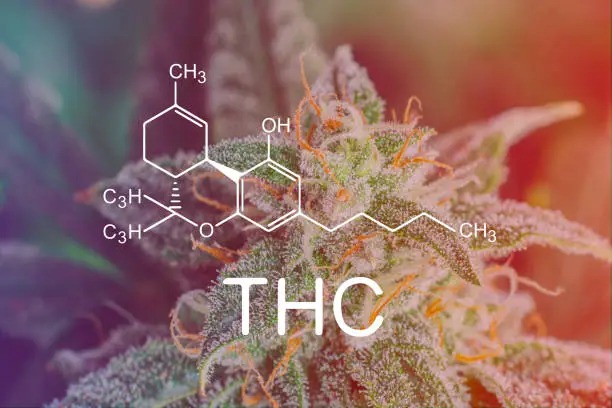
Delta 9 THC products have moved far beyond old stereotypes. Today, consumers can find gummies, tinctures, drinks, chocolates, and vape products sold through licensed dispensaries and hemp brands across the United States.
At the same time, confusion around legality continues growing.
Many people still ask:
How can Delta 9 THC products be legal?
What makes one product compliant while another is restricted?
And how can consumers identify trustworthy brands in such a fast-moving market?
Those questions matter because cannabis laws change constantly, and not every product online follows proper standards.
This guide explains legal Delta 9 THC products clearly and professionally using verified information, trusted sources, and practical explanations that normal humans can actually read without needing a law degree and three cups of coffee.
Delta 9 THC, also called Delta-9-tetrahydrocannabinol, is the primary psychoactive cannabinoid found in cannabis plants.
It interacts with the body’s endocannabinoid system, specifically CB1 receptors connected to mood, appetite, memory, and perception.
According to the National Center for Biotechnology Information (NCBI), Delta 9 THC produces the intoxicating effects most people associate with cannabis.
Consumers commonly describe Delta 9 effects as:
However, dosage, tolerance, metabolism, and product formulation all influence the overall experience.
This is where hemp laws changed the market dramatically.
The Agriculture Improvement Act of 2018, commonly called the 2018 Farm Bill, legalized hemp federally in the United States. Hemp qualifies as cannabis containing no more than 0.3% Delta 9 THC by dry weight.
That “dry weight” wording created opportunities for hemp-derived Delta 9 THC products, especially edibles like gummies.
For example, a gummy can legally contain more milligrams of Delta 9 THC if the overall product weight still keeps THC concentration below the federal limit.
That legal framework explains why hemp-derived Delta 9 gummies now appear widely online.
And yes, cannabis regulations sometimes sound like someone built a legal puzzle entirely out of calculator equations and fine print.
Legal Delta 9 THC products usually fall into two main categories:
Hemp-derived products operate under federal hemp guidelines, while cannabis dispensary products follow individual state marijuana laws.
Common legal Delta 9 THC products include:
However, legality still depends heavily on state regulations.
Some states allow hemp-derived Delta 9 THC products freely. Others restrict or ban certain cannabinoid products regardless of federal law.
Consumers should always verify local laws before purchasing or traveling with THC products.
The hemp market expanded access to Delta 9 products for consumers living outside recreational cannabis states.
Many consumers now prefer hemp-derived Delta 9 products because they:
Edibles especially became popular because they provide discreet consumption and longer-lasting effects compared to smoking.
Some people also prefer gummies simply because they do not want their apartment smelling like a reggae festival at 2 PM on a Tuesday.
Convenience matters.
Not every THC product online deserves consumer trust.
Some brands focus heavily on transparency and testing. Others focus mainly on flashy marketing and names that sound like rejected superhero movies.
Consumers should pay attention to several important quality factors.
Reliable brands provide Certificates of Analysis (COAs) from independent laboratories.
These reports help verify:
The U.S. Food and Drug Administration has warned consumers about mislabeled and contaminated cannabis-derived products in the market.
Lab transparency remains one of the biggest trust signals in the hemp industry.
Quality Delta 9 products should clearly display:
Confusing labels usually create unnecessary risks for consumers.
Premium hemp brands often follow stronger manufacturing and testing practices.
Many reputable companies also source hemp from regulated U.S. farms operating under agricultural compliance programs.
The U.S. Department of Agriculture oversees federal hemp production guidelines.
Reliable sourcing improves consistency and product safety.
Potency depends on the product and dosage.
Some hemp-derived gummies contain:
Beginners should always start with lower doses and wait patiently before taking additional servings.
Edibles often take:
Many first-time users make the same mistake:
“I don’t feel anything yet.”
Then they take another gummy.
Then suddenly they start having emotional conversations with their ceiling fan.
Responsible dosing matters.
Not exactly.
The cannabinoid itself remains chemically similar, but legal classification depends on:
Hemp-derived Delta 9 products exist within federal hemp rules when compliant with THC concentration limits.
Marijuana products typically exceed those limits and operate under state cannabis laws instead.
That distinction creates much of today’s legal complexity.
The hemp industry continues evolving quickly. Because regulations vary, consumers now expect brands to provide honest and accessible information.
Trustworthy companies focus on:
Consumers increasingly avoid products that rely purely on hype or exaggerated promises.
That shift benefits the entire industry.
Modern buyers want verified information, not mysterious gummies named after cosmic dragons with lightning bolts shooting out of the package.
Probably a smart move.
Legal Delta 9 THC products continue growing in popularity because they provide accessible cannabinoid options within evolving hemp regulations.
However, product quality and transparency matter more than ever. Consumers should always prioritize:
Understanding how hemp-derived Delta 9 products work helps consumers make safer and more informed decisions.
As the cannabis market matures, brands that focus on trust, consistency, and transparency will continue standing out from companies relying purely on flashy marketing and confusion.
Because when it comes to THC products, informed consumers usually make the best decisions.
Erin Zadoorian is the co-founder of Exhale Wellness, where he focuses on building high-quality hemp and cannabinoid products for modern consumers. His work centers around product innovation, transparency, and educating customers about CBD and THC alternatives, helping people make more confident and informed choices in the cannabis space.
Comments (0)