The Expanding Role of Custom Peptide Synthesis in Biotech Research
2 months ago 168

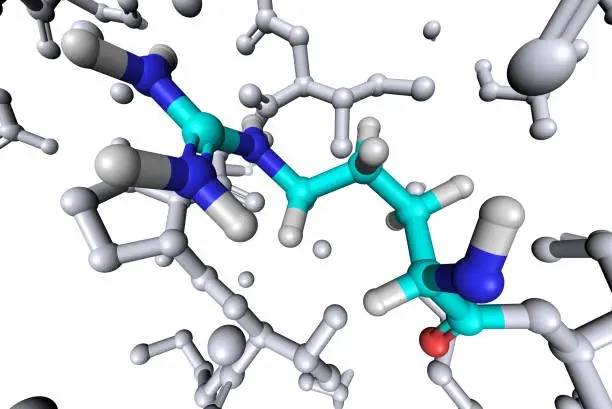
Peptides are having a moment. From GLP-1 drugs reshaping metabolic disease treatment to targeted therapies for cancer and rare conditions, peptide-based programs are everywhere in biotech pipelines.
But behind every clinical-stage peptide is a much earlier step that often gets overlooked. Custom peptide synthesis is where the science actually starts. It's the process that gives researchers the molecules they need to test hypotheses, screen targets, and build the data that justifies further development.
The numbers tell the story. There are now over 170 peptide drugs approved globally. Hundreds more are in active clinical development. The peptide therapeutics market is growing at roughly 8% annually, driven by demand for treatments that combine the specificity of biologics with the manufacturability of small molecules.
This growth has put pressure on early-stage research. Biotech firms working on peptide programs need access to high-quality, well-characterized molecules at every stage. From sequence design through preclinical studies, the quality of the starting material affects everything that follows.
That's where custom peptide synthesis plays a critical role. It gives researchers molecules built to their exact specifications, with the purity and characterization needed for reliable experimental results.
Peptide synthesis isn't just about stringing amino acids together. It's a multi-step chemical process with dozens of variables that affect the final product.
A typical synthesis run includes:
For research teams unfamiliar with the model, learning how a custom peptide synthesis service works is a useful starting point. The right partner brings both the chemistry expertise and the analytical depth needed to deliver molecules ready for downstream use.
The applications go well beyond drug discovery. Custom peptide synthesis supports a wide range of biotech research areas, each with different requirements for purity, scale, and modification.
Drug discovery teams use synthesized peptides to validate targets, screen for activity, and build structure-activity relationships. Vaccine developers rely on peptide antigens to design and test immunogenic responses. Diagnostic developers use peptides as standards and reference materials in assay development.
Research into cell-penetrating peptides, cyclic peptides, and stapled peptides has expanded rapidly. These modified structures often require specialized synthesis approaches that go beyond standard linear peptide production.
Custom peptide synthesis providers with experience in these techniques give research teams access to capabilities they couldn't easily build in-house.
The growing interest in peptide-drug conjugates and antibody-drug conjugates has added another layer of demand. These molecules require precise chemistry, careful linker design, and tight quality control. A skilled synthesis partner makes that work feasible.
Researchers are often tempted to prioritize fast turnaround. But poor-quality peptides can derail entire programs.
Impurities from incomplete coupling, deletion sequences, or oxidation products can produce misleading experimental results.
Two peptides with the same listed purity but different impurity profiles can behave very differently in the same assay. That's why custom peptide synthesis providers with strong analytical capabilities are worth the extra time.
Here's what to look for in a synthesis partner:
The cost of repeating experiments because of low-quality starting material is almost always higher than the cost of better synthesis upfront.
Many biotech research programs eventually need GMP-grade peptides for IND-enabling studies. The transition from research-grade to GMP material is one of the most common pain points in peptide development.
A custom peptide synthesis provider that supports both research and GMP scales reduces this friction. The same chemistry team, the same analytical methods, and the same quality systems carry the program forward without requiring a full technology transfer to a new facility.
This continuity matters for the filing strategy. Regulators expect a clear chain of evidence linking research-grade molecules to the GMP material used in clinical trials. Working with a partner who handles both stages keeps that chain intact.
The companies that build this kind of partnership early avoid the rework and delays that often come with switching providers mid-program.
Peptide therapeutics will continue to expand. New chemistries, longer sequences, and more complex modifications will push the boundaries of what synthesis providers can deliver.
Custom peptide synthesis is no longer just a research support function. It's a strategic capability that shapes how biotech programs move from concept to clinic.
Neuland Laboratories is well positioned in this space. With a dedicated peptide platform, three cGMP-certified facilities, and a growing commercial-scale peptide manufacturing capacity coming online in 2026, Neuland supports clients across the full peptide lifecycle.
Their team brings deep experience in solid-phase and hybrid synthesis, complex modifications, and the analytical characterization that peptide programs depend on.
For biotech teams planning their next peptide research program, choosing the right synthesis partner can shape both speed and scientific quality. Get in touch with Neuland's team today.
1. What is the typical turnaround time for a custom peptide synthesis project?
It depends on length and complexity. A standard 10 to 20 amino acid peptide usually takes two to four weeks. Longer sequences, modified peptides, or those requiring extensive purification can take six to eight weeks or more.
2. What scale options are available through custom peptide synthesis providers?
Most providers offer milligram to gram scale for research use. For preclinical and clinical work, scale can extend to hundreds of grams or kilograms. Commercial-scale peptide manufacturing typically requires a separate dedicated facility.
3. Can custom peptide synthesis handle non-natural amino acids and modifications?
Yes. Experienced providers work with non-natural amino acids, D-amino acids, cyclic structures, fluorescent labels, and conjugated groups. These modifications expand peptide applications in drug discovery, imaging, and targeted delivery.
4. How should researchers store peptides received from a custom synthesis provider?
Most peptides should be stored lyophilized at minus 20 degrees Celsius or colder to maintain stability. Once reconstituted, storage conditions depend on the sequence. Peptides containing cysteine, methionine, or tryptophan are especially prone to degradation.
Comments (0)