Chiropractor for Knee Pain: What This Type of Care Can Address
4 months ago 264

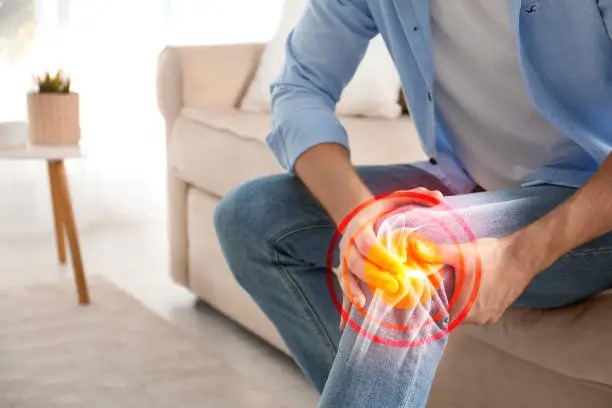
Knee pain is not always caused by one dramatic injury. A lot of people start looking for a chiropractor for knee pain after they notice ongoing discomfort with stairs, squatting, walking, getting up from a chair, or returning to exercise. In many cases, the issue is more mechanical than people expect. Knee pain can come from overload around the kneecap, early arthritis, irritation of soft tissues, poor movement patterns, or stress being transferred from the hips and lower body instead of a single torn structure. Patellofemoral pain, for example, is a common cause of pain in the front of the knee and around the kneecap, especially with activity.
This type of care usually makes the most sense when the pain seems related to movement, stiffness, repeated strain, or the way the leg is functioning during daily activity. A clinic such as Lakeside Spine and Wellness Inc. may be considered when someone wants a conservative musculoskeletal evaluation that looks at how the knee is moving, what activities keep aggravating it, and whether surrounding areas may be adding stress. Good conservative care is usually less about chasing pain for one day and more about improving function, reducing irritation, and helping the joint tolerate normal activity better over time.
That said, not every knee problem belongs in a routine conservative care setting first. Sudden major swelling, inability to bear weight, locking after trauma, clear instability, fever, or severe pain after an injury should be medically evaluated promptly. For more typical overuse or mechanical knee pain, though, a thorough assessment can help clarify whether the problem is mostly coming from the knee itself or whether gait, hip control, muscle weakness, and joint loading are part of the bigger picture.
A painful knee does not always mean the knee is the only problem. The way a person walks, climbs stairs, lands from activity, or shifts weight during movement can change how force travels through the joint. If the leg is not absorbing load well, the knee often ends up taking more stress than it should. That is one reason knee pain is often evaluated together with gait and joint mechanics instead of as an isolated complaint. Patellofemoral pain is a good example. It often becomes more noticeable with running, squatting, stairs, and prolonged sitting because the kneecap and surrounding tissues are being stressed in ways the body is not handling well.
The hips matter here more than many people realize. Research-backed physical therapy guidance commonly includes strengthening the muscles around the hip as well as the knee, because better hip control can improve how the leg tracks and how the knee handles load. Weakness around the hips can contribute to poor lower-limb mechanics, especially during walking, stairs, and exercise. That does not mean every knee problem starts in the hips, but it does mean the knee often works better when the hip muscles are doing their job.
Joint mechanics also include ankle motion, foot position, balance, and how stiff or mobile different parts of the leg are. If one area is not moving well, another area often compensates. Over time, that can lead to repeated irritation rather than one clear injury. This is why a useful knee evaluation often includes watching movement patterns and not just pressing on the sore area. If gait and mechanics are part of the problem, treatment that ignores them may only provide short-term relief.
A good care plan often goes beyond the knee because real improvement usually depends on how the whole leg functions. If the problem is mechanical, treatment may include improving range of motion, reducing irritation from aggravating activities, and building strength in the muscles that support the knee and hips. Authoritative guidance for knee osteoarthritis and many common knee pain problems emphasizes therapeutic exercise, especially muscle strengthening and general physical activity, because these approaches help improve pain and function over time.
That means the plan may include work for the hips, glutes, thighs, balance, and movement control rather than focusing only on the knee joint itself. In practice, that can include exercises to improve hip strength, quadriceps strength, tolerance to stairs or squatting, and cleaner walking mechanics. Education also matters. Sometimes the person needs to understand which activities are overloading the joint right now, how to modify movement temporarily, and how to build back up without flaring everything again. For people with osteoarthritis, weight management support may also be part of the bigger plan because reduced joint load can help symptoms and function.
The most useful care plan is usually judged by daily function, not by one visit. Can the person walk longer with less pain? Use stairs more comfortably? Get through work, workouts, or errands without the same flare-ups? If those things are improving, the plan is likely addressing the real drivers of the pain. If not, the approach should be reassessed. Conservative knee care works best when it is specific, practical, and based on how the whole movement system is working, not just where the pain is felt most sharply.
Comments (0)