Why DNA Tests Are Expected to Appear in Every Home Over the Next Few Years
4 months ago 234

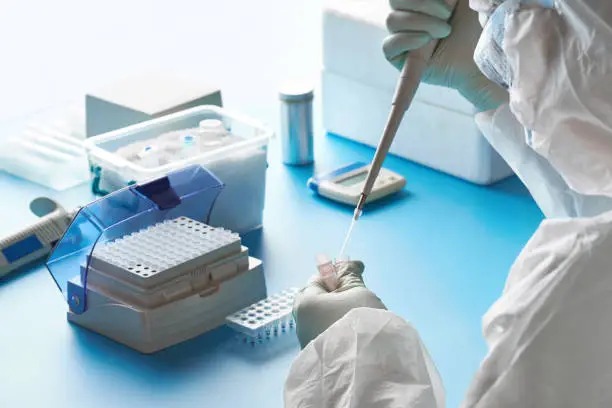
DNA testing is quickly moving from a niche interest to something far more common in everyday life. What once felt like a one-time experiment is now becoming part of how people explore their identity, family connections, and personal history. This article examines why that shift is happening, how technology is making DNA testing easier to use at home, and what the future may look like as more families treat these tests as a regular household tool rather than a rare purchase.
A few years ago, a DNA kit felt like something special. People bought it for holidays, big questions, or one-time curiosity. That feeling is fading. Home DNA testing is starting to look less like a rare purchase and more like a normal household tool. The reason is simple. People want faster answers, easier access, and a clearer picture of who they are. That is where the change begins. It is not loud. It does not arrive with a big announcement. It just keeps moving forward, one home at a time.
We are also seeing a different kind of use now. DNA tests are no longer only about a family tree on the wall. They are tied to everyday choices, such as learning about traits, checking for relatives, and comparing family stories with real data. That mix makes the tests feel more useful. It also makes them more repeatable. Once people get one result, they often want more. They want to know what it means, who else it connects to, and what other details they may have missed. That curiosity is hard to stop once it starts.
There is another reason this trend keeps growing. The process has become much easier. You do not need a lab coat, special tools, or a science background. You just collect a sample and wait for the report. That kind of simplicity matters in busy homes. And when a tool becomes simple, useful, and personal, it moves from “nice to have” to “why not?” In that sense, services built around a MyHeritage DNA test are part of a larger shift. They show how family testing is becoming a regular part of home life, not an odd one.
The biggest reason DNA tests are spreading is that they solve a real human need. People want to understand their roots. They want to know where they came from, who they may be related to, and why certain family traits keep showing up. That need is not new. What has changed is how easy it is to act on it. A test that once felt technical now feels simple enough to try on a weekend. That ease changes behavior fast. When something feels easy, people stop putting it off. They just do it.
Recent reporting from the U.S. Food and Drug Administration shows that direct-to-consumer genetic tests allow individuals to collect samples at home and receive results without needing a healthcare provider. These tests have expanded access to genetic insights by simplifying the process and making it more convenient for everyday users. The data highlights how consumer access and ease of use are key factors driving wider adoption. As a result, genetic testing is becoming more integrated into routine personal and family decision-making.
There is also a social side to this shift. DNA testing has become more common in conversations, family groups, and online stories. One person takes a test. Then another family member gets curious. Then a cousin joins in. Before long, the test becomes part of the family talk. That creates a ripple effect. It makes the idea feel normal, not strange. And once something feels normal, it spreads faster than any ad campaign could manage. People trust what they see in their own circles.
A DNA test gives people a result they can talk about. It is personal, but it is also shareable. That mix helps it stay in memory.
One test often leads to more questions. People want to compare results, confirm stories, or find relatives. That keeps interest alive.
As more users see the value, the fear drops. The test is starting to feel like a useful household tool. That is how habits form.
This shift also aligns with how modern households make choices. People want tools that help them save time and reduce guesswork. DNA tests do both. They answer family questions, point to likely relatives, and give people something concrete to discuss. That is a strong mix. It is practical, personal, and easy to repeat.
The path to home DNA testing becoming normal starts with better technology. Early tests were slower, pricier, and harder to explain. Today, the process is much smoother. The sample collection is simple. The shipping is simple. The report is simple enough for most people to read without help. That matters a lot. If a product feels hard, it stays on the shelf. If it feels easy, it enters the home. This is a basic rule, and DNA testing now fits it well.
Another reason technology helps is that the results are becoming more useful. The reports do not just show broad ancestry. They can also highlight relatives, traits, and family lines that people may have never seen before. That makes the test feel less like a one-time curiosity and more like a living record. People can return to the data later and reuse it. They can share it with family members. They can compare it with old records. That repeated use makes the product feel worth keeping around.
According to the Centers for Disease Control and Prevention, genetic testing analyzes DNA to identify inherited traits and shared genetic patterns among family members. This process helps individuals understand how certain traits or conditions may be passed down through generations and how closely related people are based on shared genetic material. The data also confirms that genetic testing can provide insights into ancestry, health risks, and biological relationships. As testing becomes more accessible, its role in everyday family understanding continues to expand.
Simple collection and quick reports reduce stress. When the process feels smooth, more people try it.
People do not want a confusing pile of data. They want plain answers they can actually use. Clear reports make that possible.
A test becomes more valuable when it can be revisited. New family questions often lead people back to the same result.
Once a product fits normal routines, it becomes part of the home. That is the stage DNA testing is reaching now.
This is the part many people miss. The real growth is not only about the test itself. It is about how well the test fits daily life. A home product must be simple, clear, and useful more than once. DNA testing now checks those boxes better than before. That is a big reason it keeps moving toward everyday use.
In the next few years, DNA tests may become as ordinary as old family albums or storage boxes of birth records. That does not mean every home will use them the same way. Some people will focus on ancestry. Others will want relative matching. Some will use them to confirm family stories. Others will just want to understand their roots a little better. The point is not one use. The point is that the tool can serve many needs at once. That makes it easy to keep around.
We will likely see DNA testing become more connected to other parts of family life, too. It may link more smoothly with family trees, photo archives, and record searches. That kind of connection is useful because people rarely want a single answer. They want a fuller story. They want names, places, dates, and links to living relatives. When a DNA test helps connect those dots, it becomes more than a test. It becomes part of the family record. That is a much stronger place for it to live.
A few things are likely to matter most:
The home of the near future may not keep a test kit in a drawer the way it keeps tape or batteries. It may keep DNA data in a family account, ready to be reviewed again when new questions arise. That is a different kind of household item, but it fits modern life very well. People want answers they can return to. DNA testing is built for that.
The reason DNA tests are expected to appear in more homes is not hype. It is useful. People keep tools that help them understand their lives. DNA tests do that directly. They offer family links, clues to ancestry, and a better sense of where personal stories fit into a larger line. That is hard to ignore once you have seen it.
We also think the next few years will make the shift even stronger. As testing gets easier, more people will try it. As more people try it, more families will talk about it. And as families talk about it, the test will feel even more normal. That loop matters. It is how a product moves from niche to common use.
So the future here looks pretty clear. DNA testing is likely to become a regular part of family discovery at home. Not because it is flashy, but because it keeps proving useful. Start with one test, keep the results close, and let the family story open up at its own pace.
Comments (0)