Lat Pull Down Machines: Benefits, Muscles Worked and Setup Tips
4 months ago 232

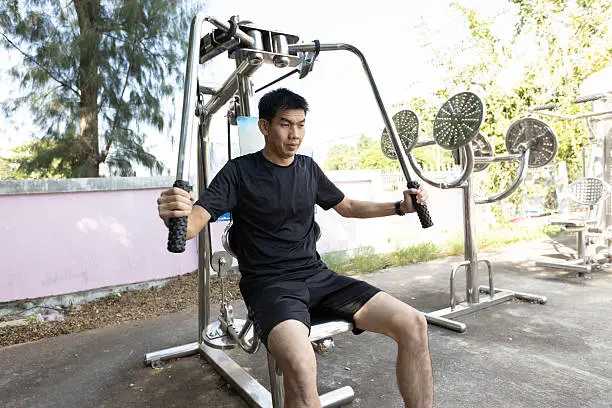
Lat Pull down machines are a staple in many fitness environments, offering a controlled and effective way to build upper body strength. Whether you are new to resistance training or an experienced lifter, understanding how to use this equipment properly can significantly improve your results.
The main goal of using lat pull down machines is to target the latissimus dorsi muscles, commonly known as the lats. These large muscles run along the sides of the back and play a key role in pulling and lifting movements.
Because the equipment allows for adjustable resistance, it suits a wide range of fitness levels. The movement mimics a pull-up but provides better control and accessibility for those who may not yet be able to lift their full body weight.
While the lats are the primary focus, several supporting muscles come into play during a proper lat pull down. Engaging these groups together helps enhance posture, stability, and overall upper body coordination.
Activating multiple muscle groups not only builds strength but also promotes balanced development, reducing the risk of overuse injuries.
Regular use of this equipment can offer a variety of physical and functional advantages. Incorporating it into a balanced program supports both performance and everyday movement patterns.
These benefits make the lat pull down a versatile choice for people aiming to build endurance, strength, or muscle definition.
Proper setup ensures comfort, safety, and maximum efficiency. Small adjustments can make a noticeable difference in how the exercise feels and the muscles it engages.
Maintaining steady movement and avoiding jerking motions keeps the tension on the muscles where it belongs, improving results and preventing strain.
Even experienced users can develop habits that reduce the effectiveness of the exercise. Paying attention to technique helps ensure consistent progress.
Focusing on smooth, deliberate movement supports both safety and muscle engagement, leading to better long-term outcomes.
This exercise can fit well into various workout structures. It can complement compound lifts, serve as a primary back movement, or act as an accessory exercise after heavier pulling sessions.
For balanced development, combine it with rows, deadlifts, and core training. Alternating grip positions or using different attachments can also help target the muscles from multiple angles, supporting well-rounded back strength.
When performed with consistency and proper form, lat pull downs can become a cornerstone of effective upper body training, contributing to improved posture, strength, and overall movement quality.
Comments (0)