Tips to Maintain Oral Hygiene with Braces or Aligners
2 months ago 202

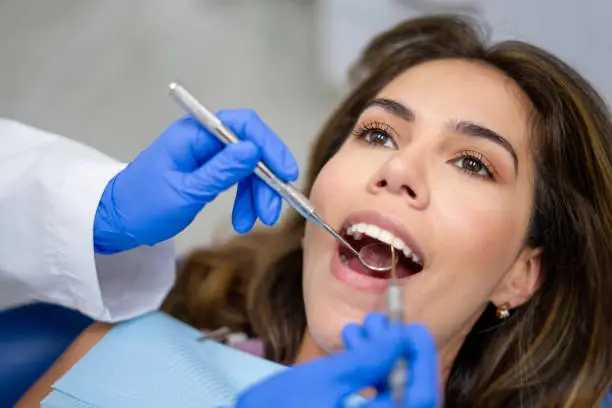
Orthodontic treatment helps improve both dental health and appearance, but it also creates new challenges for daily oral care. Braces and aligners can trap food particles and plaque in areas that are difficult to clean. Without proper care, this buildup may lead to cavities, gum irritation, staining, and bad breath. Many people notice that keeping their teeth clean becomes more time-consuming after starting orthodontic treatment.
Good oral hygiene during treatment is important because healthy teeth and gums support better orthodontic results. Simple habits such as brushing correctly, flossing daily, and choosing the right foods can make a major difference. Whether you wear traditional braces or clear aligners, maintaining a consistent routine helps protect your smile throughout the treatment process. The following tips can help you keep your teeth and gums healthy while wearing braces or aligners.
Braces create many small spaces where food particles can hide. If these particles stay on the teeth for too long, plaque begins to form. This increases the risk of tooth decay and gum disease. Brushing after every meal helps remove trapped food before it causes problems. People with braces should use a soft-bristled toothbrush and brush gently around brackets and wires. Electric toothbrushes can also help clean hard-to-reach areas more effectively.
Clear aligners also require regular brushing habits. Before putting aligners back in your mouth, brush your teeth to prevent bacteria and food particles from becoming trapped between the aligners and teeth. This reduces the chance of cavities and bad breath. Orthodontic patients who need additional guidance about oral care routines often seek professional advice from a Hamilton Dentist to ensure they are using the right techniques and products for their treatment.
Flossing becomes more difficult when braces are attached to the teeth, but it remains one of the most important steps for maintaining oral hygiene. Standard floss may not easily pass under wires, so orthodontic patients should consider tools such as floss threaders, orthodontic floss, or water flossers. These tools help remove plaque and debris between the teeth and along the gumline.
People with aligners should floss at least once daily because aligners cover the teeth for long periods. Any trapped bacteria can quickly multiply if flossing is skipped. Consistent flossing helps prevent inflammation and keeps the gums healthy during treatment. Although flossing may take extra time, it greatly lowers the risk of long-term dental problems.
Mouthwash can provide extra protection when brushing and flossing alone are not enough. An antibacterial mouthwash helps reduce plaque, freshen breath, and lower the number of harmful bacteria in the mouth. This is especially useful for people wearing braces because food particles can remain hidden around brackets and wires.
Fluoride mouthwash can also strengthen tooth enamel and help prevent cavities. Many orthodontic patients experience white spots on their teeth after braces are removed because plaque remained on the enamel for too long. Using mouthwash daily supports stronger enamel and cleaner gums. For best results, rinse after brushing and flossing before bedtime.
Diet plays a major role in maintaining oral health during orthodontic treatment. Sticky, hard, and sugary foods can damage braces and increase plaque buildup. Foods such as caramel, chewing gum, popcorn, and hard candies may bend wires or loosen brackets. Sugary snacks and drinks feed harmful bacteria, which increases the risk of tooth decay.
People with aligners should also avoid drinking sugary or colored beverages while wearing their trays. Coffee, soda, and juice may stain the aligners and trap sugar against the teeth. Water remains the safest choice during treatment. Choosing healthier snacks such as yogurt, soft fruits, cheese, and cooked vegetables helps protect both the teeth and orthodontic appliances.
Clear aligners require daily cleaning to stay transparent and free from bacteria. Many people make the mistake of only rinsing their aligners with water, but this does not remove all bacteria or plaque. Aligners should be cleaned gently using a soft toothbrush and clear, mild soap or a cleaning solution recommended by the orthodontist.
Hot water should never be used because it can warp the plastic and affect the fit of the aligners. It is also important to store aligners in their protective case when they are not being worn. Leaving them exposed to open air can increase bacterial growth and the risk of damage. A clean aligner supports better oral hygiene and keeps the treatment process on track.
Drinking enough water is a simple but effective way to maintain oral hygiene. Water helps wash away food particles and bacteria that collect around braces or aligners. It also supports saliva production, which naturally protects the teeth by neutralizing acids and reducing bacterial growth.
Dry mouth can become a problem for some orthodontic patients, especially those wearing aligners for long hours. A dry mouth creates an ideal environment for bacteria to grow. Drinking water regularly throughout the day keeps the mouth moist and clean. Carrying a reusable water bottle can help build this healthy habit.
Orthodontic treatment does not replace regular dental visits. Professional cleanings remain important because dental hygienists can remove hardened plaque and tartar that brushing and flossing may miss. Routine checkups also help identify early signs of cavities, gum disease, or enamel damage before they become serious.
Patients with braces often benefit from more frequent cleanings because brackets and wires create extra plaque-retention areas. Dentists and orthodontists work together to monitor oral health throughout treatment. Keeping these appointments helps ensure that the teeth remain healthy while they are being straightened.
People wearing braces or aligners should pay attention to any changes in their mouth. Bleeding gums, persistent bad breath, tooth sensitivity, or white spots on the teeth may indicate poor oral hygiene. Ignoring these warning signs can lead to more serious dental issues that may delay orthodontic treatment.
Early action is important. If discomfort or unusual symptoms continue, patients should contact their dental professional for advice. Addressing small problems early can prevent costly and painful complications later. Daily attention to oral hygiene keeps treatment progressing smoothly and protects the overall health of the teeth and gums.
Consistency is the key to maintaining oral hygiene during orthodontic treatment. Brushing occasionally or skipping flossing for a few days can quickly lead to plaque buildup. Creating a daily routine makes oral care easier and more effective. Many people find it helpful to carry a small dental kit with a toothbrush, toothpaste, floss, and aligner case when traveling or attending school or work.
Good habits developed during orthodontic treatment often continue long after braces or aligners are removed. Patients who stay committed to oral hygiene usually enjoy healthier teeth, fresher breath, and better long-term dental outcomes. A little extra effort each day helps protect the investment made in achieving a straighter smile.
Maintaining oral hygiene with braces or aligners requires patience, consistency, and the right techniques. Orthodontic appliances can trap food and bacteria more easily, which makes daily care especially important. Brushing after meals, flossing properly, cleaning aligners, drinking water, and avoiding harmful foods all contribute to healthier teeth and gums during treatment.
Regular dental visits and careful attention to warning signs also help prevent complications. With the right habits, people can successfully protect their oral health while achieving a straighter and more confident smile. Proper oral care not only supports orthodontic treatment but also creates long-lasting benefits for overall dental health.
Comments (0)