What Eye Care Clinics Should Know Before Investing in OCT Systems
4 months ago 244

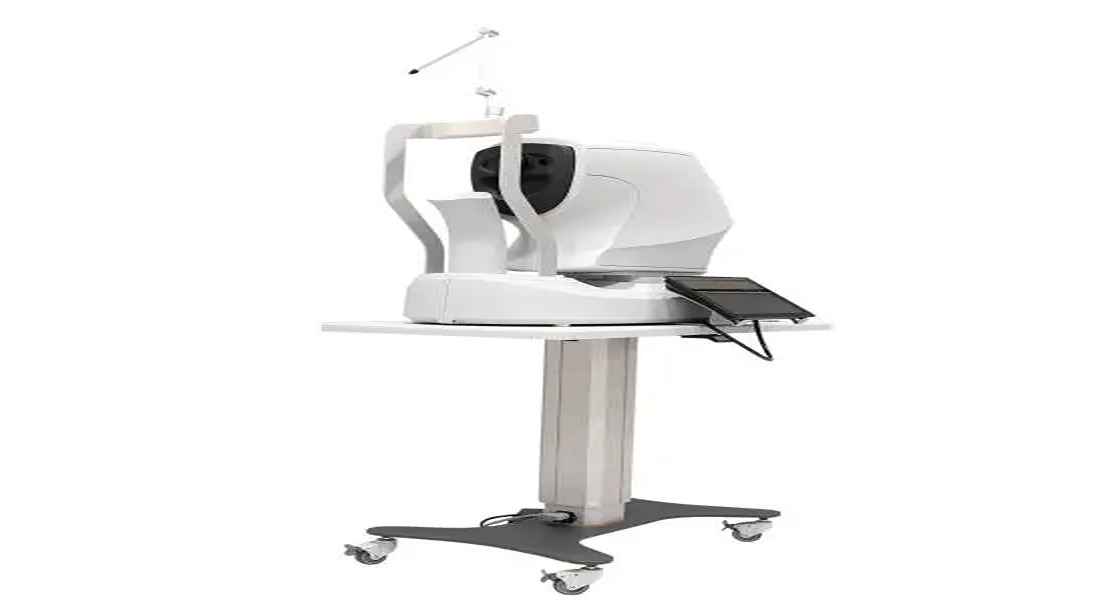
Optical coherence tomography, more commonly known as OCT, has become one of the most important diagnostic technologies in modern ophthalmology and optometry. Clinics that invest in the right OCT system can improve diagnostic accuracy, identify eye diseases earlier, and provide a higher standard of patient care. However, choosing the right device involves more than simply selecting the newest model on the market.
An OCT system represents a significant investment for any clinic, so it is important to carefully evaluate clinical needs, workflow requirements, imaging capabilities, and long-term operational costs before making a purchase decision.
Image resolution is one of the most important factors when evaluating OCT systems. High-quality imaging enables clinicians to detect small structural changes earlier, leading to faster intervention and better patient outcomes.
Scanning speed is equally important. Faster systems reduce motion distortion and improve workflow efficiency, particularly in busy practices with high patient volumes. Quick image acquisition can also help when working with elderly patients or younger children who may have difficulty remaining still during scans.
Clinics should review sample scans and request live demonstrations whenever possible. Real-world testing often provides a much clearer understanding of image quality and usability than product brochures alone.
Strong customer support can make a major difference. Clinics should research suppliers carefully and ask about training, technical assistance, and service response times before committing to a purchase. Reliable providers often offer onboarding support, educational resources, and software training that help clinics maximize the value of their investment. Access to dependable technical support can also reduce downtime if issues occur during patient hours.
Clinics exploring advanced retinal imaging equipment may review options such as the OCT machine for ophthalmology when comparing imaging features, workflow compatibility, and long-term support services.
An OCT device should support the clinic’s daily workflow rather than slow it down. Integration with electronic medical records, diagnostic software, and image management systems can save time and improve organization. Ease of use is another major consideration. Some systems feature automated alignment and intuitive interfaces that reduce training time for staff members. Others may require more technical expertise and longer setup processes.
Space limitations should also be considered. Compact systems may be a better option for smaller practices that need advanced imaging without sacrificing valuable clinical space.
Cost is naturally an important factor, but clinics should evaluate the full long-term expense of ownership rather than focusing only on the upfront price. Maintenance agreements, software updates, warranties, and technical support all contribute to the overall value of an OCT system. Lower-cost devices may appear attractive initially, but could lead to higher expenses later if support is limited or software becomes outdated quickly.
Many clinics explore financing or leasing options to make advanced imaging technology more affordable. Comparing these options carefully can help practices invest in higher-quality equipment without creating unnecessary financial pressure.
Technology in ophthalmology continues to evolve rapidly, so clinics should think beyond immediate needs when selecting a system. Choosing equipment with upgrade potential can help practices adapt to future clinical demands without needing to replace entire systems.
Some OCT platforms support expanded imaging capabilities, additional software modules, or multimodal diagnostic tools that can increase the system’s value over time. Practices planning to grow into specialized retinal or glaucoma services may benefit from selecting more flexible platforms from the start.
Investing in an OCT system is ultimately an investment in patient care, diagnostic precision, and clinic efficiency. The right equipment can improve disease detection, streamline operations, and strengthen patient confidence in the quality of care being provided. Careful evaluation and consideration of all of the above can ensure you make an informed purchasing decision that provides lasting value for both clinicians and patients.
Comments (0)