How Often Should You Replace Hearing Aids?
4 months ago 253

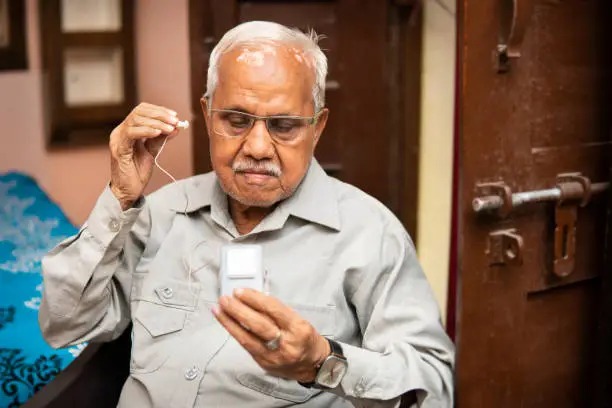
Hearing aids are built to last, but they are not built to last forever. In India, heat, humidity, dust, and long travel days can speed up wear. Most people do well when they treat replacement as planned maintenance rather than an emergency purchase.
For most modern devices, four to six years is the sweet spot. After that, tiny components age, microphones collect residue, batteries or chargers lose efficiency, and software support for older platforms slowly drops. Some users stretch to seven years, but only when performance stays steady, and repairs stay rare. Keep bills and warranty cards; they help if parts of the ear machine need to be replaced.
A few everyday factors matter more than the price tag:
Repairs make sense when the aid is otherwise meeting your listening needs. Replacement becomes smarter when you notice repeated problems like these:
Sometimes the device is functional, but your life has outgrown it. Consider replacing if you want:
Do a yearly hearing review and compare results, not just your memory. Take an online hearing test yearly. A quick online hearing test can help you spot a change early, especially if you have noticed more “what did you say?” moments. If it flags a shift, follow up with a full diagnostic assessment and real-ear verification so settings match your ear acoustics.
Also, check performance in real places: the Metro, your office, your TV volume, and a busy market. A well-fitted ear machine should make speech clearer at a lower volume, not simply louder. If your current ear machine needs constant boosting to feel usable, it is often signalling that the technology or fit needs an update.
Between upgrades, simple habits protect performance:
Plan to review replacement around year five, earlier if repairs become frequent or clarity drops. The right time is when your hearing feels effortless again, at home and outside, without constant adjustments.
Comments (0)