The Evolution of the Doctor’s Visit: Why 2026 is the Year of Digital Health
4 months ago 458

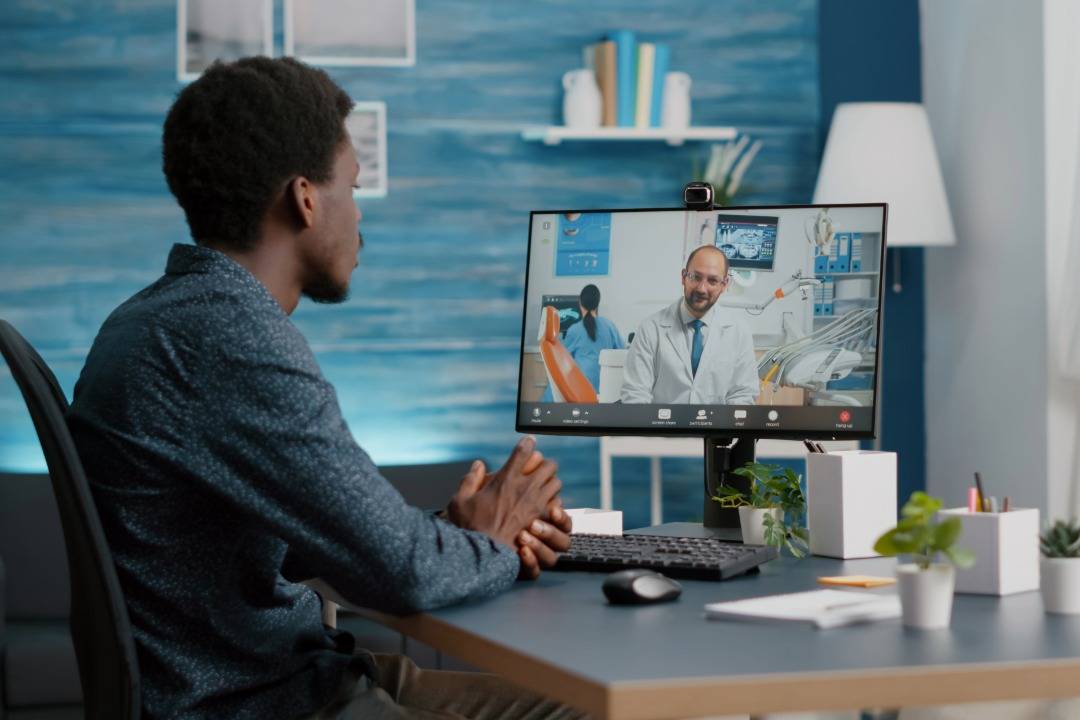
The sterile waiting room, the pile of old magazines, and the hour-long wait to get a ten-minute consultation are all quickly becoming a thing of the past. Healthcare is not an easy mark of the speedy digitization of finance or retail, yet 2026 will be a decisive turning point. Instead of the emergency adoption of telehealth that we had witnessed in the past few years, we now live in an advanced and permanent ecosystem where digital-first care is the norm, not the option.
The patient-doctor relationship has long been tied to a physical place for decades. By 2026, the decentralized clinic will have become a reality, with the point of care being in the home instead of the hospital. This transition is fuelled by fast connectivity and the cultural need to be efficient. One of the main illustrations of this development today is the online acquisition of a medical certificate online Australia on a national scale. Instead of commuting with illnesses, patients can now use applications such as NextClinic to confirm their illnesses with secure and high-definition video connections, and they can be assured of receiving legitimate records without leaving their beds.
Integration of wearable technology into clinical workflows is one of the biggest changes of 2026. It is no longer the count of steps but the stream of medical-grade data.
Artificial Intelligence is no longer a buzzword but a core aspect of the medical visit. By 2026, AI will be used as a co-pilot and will undertake the task of data analysis, a task that is more demanding than human analysis, allowing the doctor to concentrate on the human aspect of care.
When a patient makes a call to a GP at NextClinic Australia, an AI triage layer has already created a synthesis of their medical history and present symptoms. This makes sure that the consultation is highly-value oriented decision making. Moreover, AI-based clinical decision support systems can help in cross-referencing thousands of medical journals in real-time, so the diagnosis and treatment plan can be based on the absolute latest evidence-based medicine.
The doctor visit does not necessarily have to be a live chat. Asynchronous care-exchanges occurring over time, through secure messaging, have become mainstream in 2026.
This is the easy-to-use category of requests where the digital health record is reviewed, and a secure chat is conducted to renew a prescription.
To verify the progress of treatment, the person does not need to have a scheduled appointment time. Collating preliminary information and pictures (in the case of dermatology or wound care) to facilitate the examination procedure by the specialist.
In the past, the quality of healthcare was greatly based on your postcode. In 2026, digital health is the great equalizer. In the remote or rural regions, the possibility of contacting the best of the best specialists through the internet has made a significant difference in health care. NextClinic Australia has been leading this parade, and hence, a person in a remote mining town will be able to enjoy the same access to quality general practice as a person in the heart of Sydney. This eliminates the geographical tax that the rural citizens paid in time and travelling expenses.
As an increasing amount of data is transmitted digitally, 2026 has brought about a greater concern on cybersecurity. The use of electronic health records (EHR) now involves modern platforms that use decentralized storage or blockchain ledgers. This offers the patient complete authority over access to their data. When you see a digital clinic these days, you are not merely putting your money into a physician, but an elaborate encryption architecture that is no longer supposed to be broken, keeping your most confidential secrets a secret.
Digitization is much more of an economic than a health action. The Australian economy has been experiencing a great increase in productivity by cutting the overheads of the physical clinics and saving time that employees can spend on minor ailments, and staying out of work. Digital health is no longer a special service, but an essential element of the national infrastructure, reducing the burden on the general hospital system and enabling physical ER departments to concentrate on actual emergencies.
The development of the doctor visit is a triumph of patient autonomy. We have substituted the waiting room exasperation with cloud convenience and precision of information. With these technologies, the future of healthcare will continue to become less reactive and more proactive as they are integrated. Whether you are dealing with a chronic condition or that you just require a medical certificate online Australia with a trusted provider, such as NextClinic, the digital tools of 2026 will be able to ensure that your health is dealt with in a speedy, accurate, and dignified manner that the present age requires.
Comments (0)