The Role of Grip Strength in Rehabilitation After a Stroke
3 months ago 196

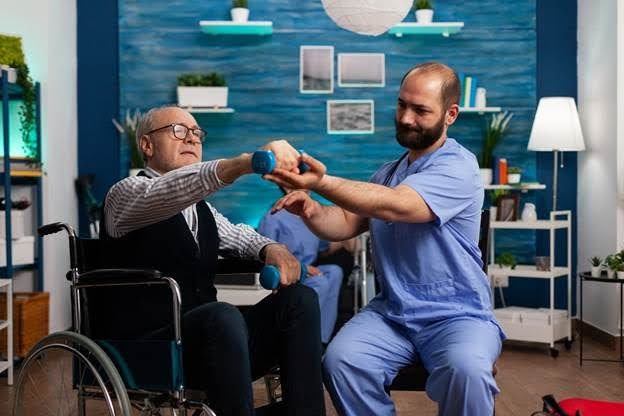
When someone survives a stroke, the road to recovery is rarely straightforward. There are months of therapy, small victories, and frustrating setbacks.
One of the most common and often overlooked challenges stroke survivors face is the loss of hand and grip function.
Something as simple as holding a glass of water, buttoning a shirt, or writing a grocery list becomes an exhausting battle.
This is where grip strength rehabilitation steps in, not as a miracle fix, but as a critical and measurable part of the recovery journey.
A stroke occurs when blood supply to the brain is interrupted, either by a clot or a bleed. Depending on which part of the brain is affected, the consequences vary.
However, one of the most frequent outcomes is hemiplegia or hemiparesis, weakness or paralysis on one side of the body, which almost always includes the hand and arm.
The hand is one of the most complex parts of the human body, controlled by a dense network of motor neurons in the brain.
When a stroke damages these pathways, the signals that once told your fingers to grip, squeeze, or pinch either slow down or stop entirely. For many survivors, the affected hand feels foreign, heavy, stiff, and unresponsive.
Studies have consistently shown that poor grip strength after a stroke is linked to reduced independence, lower quality of life, and a higher chance of long-term disability.
Regaining even a portion of that grip function can make a dramatic difference in how a person moves through their daily life.
Grip strength is not just about the hand. It reflects the overall neuromuscular health of the upper limb and serves as a reliable indicator of how well the brain and muscles are communicating after injury.
Therapists often use grip strength as a baseline measurement when designing a rehabilitation plan. It tells them where a patient currently stands, helps set realistic goals, and tracks progress over weeks and months.
A weak grip often signals broader issues with arm coordination, shoulder stability, and fine motor control, all of which need to be addressed during stroke recovery.
Beyond the clinical value, grip strength has a deeply personal significance for stroke survivors. The ability to shake someone's hand, hold a child, or carry a bag independently is tied to dignity, confidence, and emotional well-being.
Many patients report that regaining hand function feels more meaningful than almost any other part of their recovery.
Modern stroke rehabilitation uses a combination of approaches to restore grip strength.
No single method works for everyone, and the best outcomes usually come from a personalized plan developed with a trained physiotherapist or occupational therapist.
This approach involves practicing real-life tasks that require gripping — picking up objects of different sizes, turning door handles, or squeezing a sponge. The idea is that the brain relearns movement patterns more effectively when the exercises mimic everyday actions. Repetition is key here. The more the patient practices, the more the brain builds new neural pathways to compensate for damaged ones — a process known as neuroplasticity.
Soft grip balls, therapy putty, and grip strength equipment are commonly used to rebuild strength progressively. These tools allow patients to work at their own pace, starting with minimal resistance and gradually increasing as strength improves. The exercises are simple enough to continue at home, which is important because recovery does not stop when therapy sessions end.
Neuromuscular electrical stimulation (NMES) is a technique where small electrical currents are applied to the muscles of the hand and forearm to trigger contractions.
It is particularly useful for patients with very limited voluntary movement, as it helps maintain muscle tone and encourages nerve activity. When combined with active effort from the patient, it can accelerate grip recovery significantly.
This is one of the more fascinating techniques in stroke rehabilitation. The patient places a mirror along the midline of their body so that the reflection of the unaffected hand appears in place of the affected one.
When they move the healthy hand, the brain receives visual feedback that both hands are moving. Research has shown this can improve motor function and grip strength in the affected hand, even when that hand barely moves on its own.
In more advanced rehabilitation centers, robotic gloves and exoskeleton devices are being used to guide the hand through grip movements. These devices provide consistent, precise assistance and can be adjusted as the patient improves.
While still relatively expensive and not universally available, the results from clinical trials have been promising.
It would be incomplete to talk about grip strength rehabilitation without mentioning the emotional weight that comes with it. Stroke survivors often struggle with frustration, depression, and a sense of helplessness, especially when progress feels slow.
Celebrating small wins matters enormously here. The first time a patient manages to hold a pen, even briefly, is worth acknowledging.
Therapists and family members play a huge role in maintaining motivation. Consistent encouragement, combined with realistic goal-setting, keeps patients engaged in their recovery.
It is also worth noting that mental practice, simply imagining yourself performing a gripping movement, has been shown in research to complement physical therapy. The brain activates similar regions whether you are actually moving or just vividly imagining it, which means recovery can continue even during rest periods.
Rehabilitation does not only happen in a clinic. Family members who understand the importance of grip strength can support recovery in meaningful ways at home.
Encouraging a loved one to use their affected hand during daily activities, even when it is slower and more difficult, reinforces the neural pathways being rebuilt in therapy. Avoid doing everything for them out of impatience or concern, gentle encouragement to attempt tasks independently is far more beneficial in the long run.
Setting up a small home exercise routine with grip tools, under the guidance of a counsellor, also keeps progress moving between formal sessions.
Grip strength may seem like a small detail in the broader picture of stroke recovery, but it carries an outsized impact on a survivor's independence and quality of life. The hands are how we interact with the world, and restoring that connection, even partially, can transform a person's daily experience.
Recovery from a stroke is a long process, and there are no shortcuts. But with the right rehabilitation approach, consistent effort, and a supportive environment, meaningful improvement in grip strength is absolutely possible.
For many survivors, it is one of the most rewarding milestones on the road back to themselves.
Comments (0)