How to Tell If a Cut Is Infected?
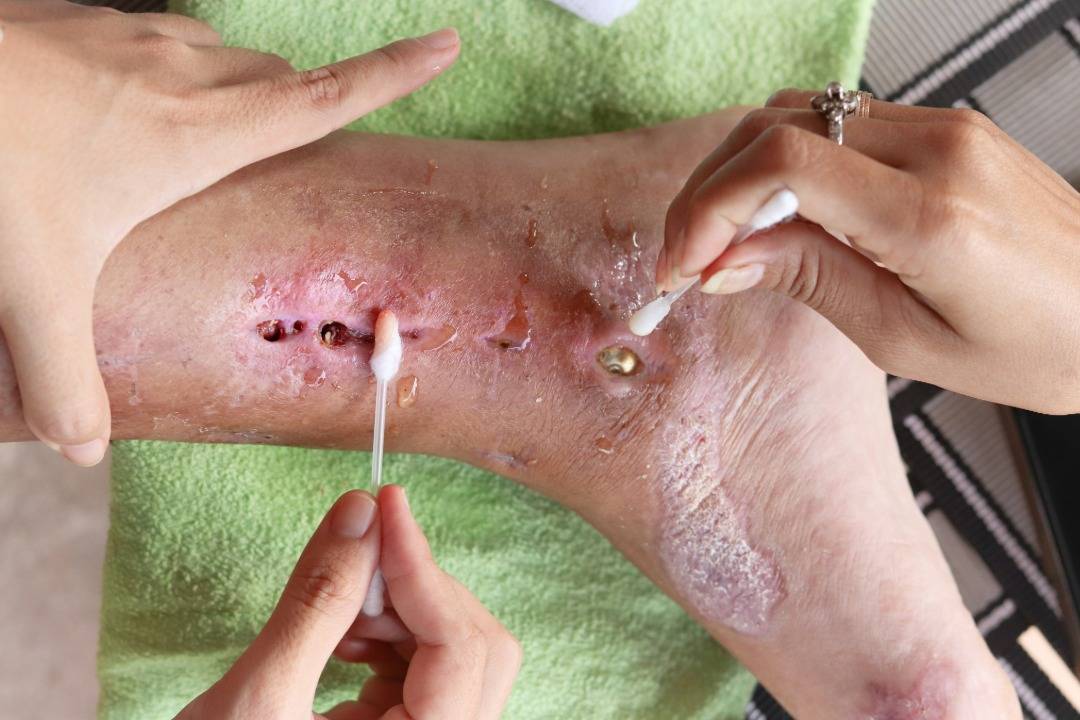
Cuts and wounds are common, but it’s important to know when a cut becomes infected to prevent complications. An infected cut may heal slowly, cause increasing pain, or develop pus, redness, and swelling. In severe cases, infections can spread and affect overall health. Early recognition and proper care are key to preventing further problems and ensuring faster recovery.
If you notice severe symptoms or worsening signs, visiting Crosby emergency room can provide immediate evaluation and treatment.
Signs of an Infected Cut
Recognizing the signs of an infected cut early is essential to prevent complications and ensure proper treatment. Paying attention to these symptoms can help you act promptly.
- Redness and Swelling: The area around the wound may appear red and puffy. Inflammation causes the skin to feel tight and tender.
- Warmth: Infected cuts often feel warmer than surrounding skin. This occurs due to increased blood flow as the body fights infection.
- Pus or Discharge: Yellow, green, or cloudy fluid oozing from the cut indicates bacterial infection. Immediate care may be necessary.
- Increasing Pain: Pain that worsens instead of improving is a warning sign of infection. This may signal that bacteria are multiplying in the wound.
- Fever or Chills: Systemic reactions like fever or chills can occur in more severe infections. These signs indicate the infection may be spreading.
If you notice any of these symptoms worsening or not improving, it’s important to seek professional care at an emergency room near me for proper evaluation and treatment.
How to Treat an Infected Cut
Treating an infected cut effectively depends on the severity and type of infection. Proper care can prevent the infection from spreading, reduce discomfort, and promote faster healing. Early intervention is key to avoiding complications and ensuring the wound heals safely.
- Clean the wound: Gently wash the cut with mild soap and lukewarm water to remove dirt, debris, and bacteria. Proper cleaning helps prevent the infection from worsening and prepares the wound for further treatment.
- Apply antiseptic or antibiotic ointment: Using an antiseptic solution or antibiotic ointment helps kill bacteria and reduce the risk of further infection. It also creates a protective layer that supports the body’s natural healing process.
- Cover the wound: Protect the cut with a clean bandage or sterile dressing to prevent dirt and bacteria from entering. Regularly changing the dressing keeps the area clean and helps monitor healing progress.
- Monitor symptoms: Keep an eye on redness, swelling, pus, or increasing pain around the wound. Early detection of worsening symptoms allows timely medical intervention if needed.
- Seek medical care: For deep cuts, severe infections, or wounds that do not improve with home care, a healthcare professional may prescribe oral antibiotics or perform professional wound cleaning. Prompt care can prevent serious complications and visiting Neighbors Emergency Center ensures timely evaluation and treatment.
When to Go the ER
While minor cuts often heal on their own, certain warning signs indicate a more serious infection that requires immediate medical attention. Acting quickly can prevent complications and ensure proper treatment.
-
Red streaks spreading from the cut: This may signal that the infection is moving through the lymphatic system and requires urgent evaluation.
-
Severe swelling or persistent pain: Intense or worsening pain and swelling indicate the infection may be worsening.
-
Fever, chills, or general feeling unwell: Systemic symptoms suggest the infection could be affecting the whole body.
-
Pus or foul-smelling discharge: Thick, odorous discharge is a clear sign of bacterial infection that needs professional care.
-
Cuts from dirty or rusty objects, or deep puncture wounds: These types of wounds carry a higher risk of serious infection and complications like tetanus.
Key Takeaways
- Infected cuts often show redness, swelling, warmth, pus, or increasing pain.
- Proper cleaning, dressing, and monitoring are essential for healing.
- Underlying health conditions or deep wounds increase infection risk.
- Seek medical care immediately if symptoms worsen or don’t improve.

Comments (0)