How Mobile Dentists Improve Access to Oral Healthcare
3 months ago 179

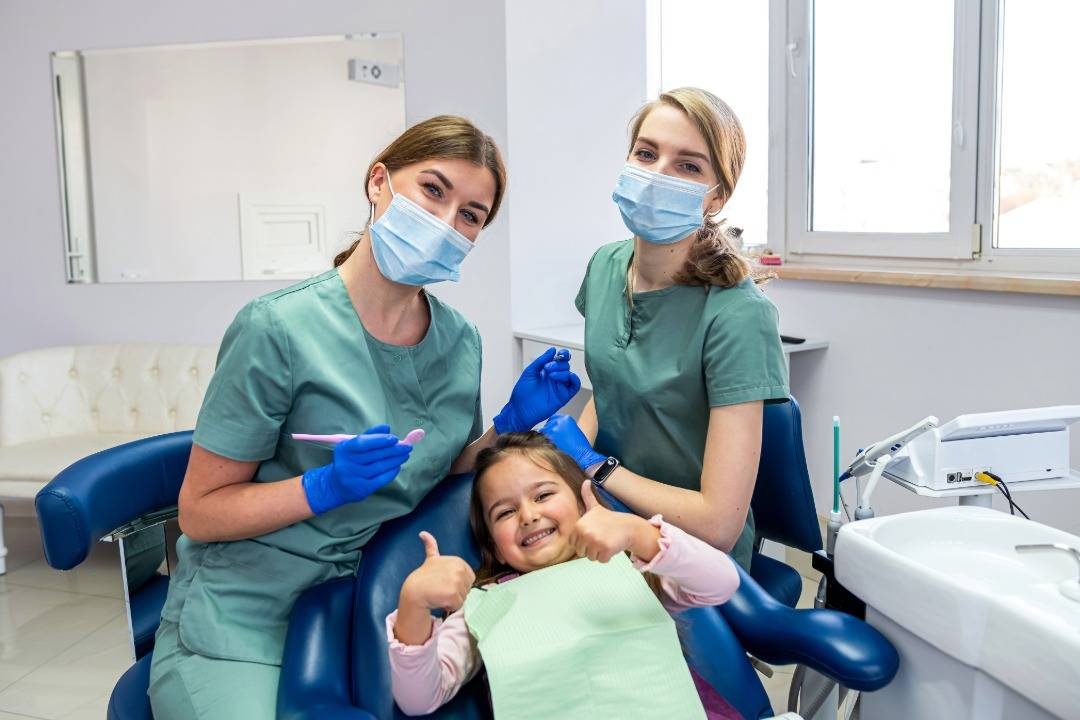
Missing a dentist near you can leave you in pain and worried. Mobile dentists visit schools, nursing homes, and rural towns to give care. This post shows how mobile units lower travel, cut costs, and stop small problems from growing.
Keep reading.
Mobile dentists travel to the people who need care most, making oral health services easier to get—especially for those in hard-to-reach places. These dental teams break down walls that keep many from getting help, bringing smiles closer… one community at a time.
Rural residents often travel far for care. Many stop visits due to time and cost. Outreach vans arrive at schools, community centers, and farms. Staff provides preventive services, screenings, and basic fillings, improving oral health and access.
Local programs report more kids getting sealants and cleanings. Clinicians coordinate with schools and health centers for follow-up. Telehealth helps with checkups after on-site visits.
Local leaders welcome the services and plan more clinics.
Mobile dentists play a big part in schools and child-centered programs. They bring dental care right to students, making it easier for kids to get the help they need. Many children miss regular check-ups because their families face transportation issues. Mobile units solve this problem by visiting schools directly. This means no more long drives or missed appointments.
Offering preventive services is key to maintaining good oral hygiene. Screenings can catch problems early, which helps avoid bigger issues later on. Schools benefit from these visits as students learn about taking care of their teeth, too. Good health habits start young and lead to better health outcomes as kids grow up.
Nursing homes and senior facilities often lack easy access to dental care. Many seniors have difficulty traveling to clinics. Mobile dentists can bring services right to their doors, making it easy for them to get the oral health support they need. These mobile units provide everything from check-ups to emergency treatments. Oral hygiene is crucial for older adults, as poor dental health can lead to bigger health issues.
Mobile clinics help ensure that residents receive preventive care and necessary treatments on-site. This supports better health outcomes in these communities. Now, we will explore how these mobile dentists are overcoming barriers to care.
Mobile dentists help remove big hurdles to care. They bring services right to people’s doors, making it easier for many to get treatment.
Mobile dentists help remove barriers related to geography and transportation. Many people live far from dental clinics, especially in rural areas. This makes it hard for them to get care.
Mobile units bring services directly to these locations. Patients can receive treatment without traveling long distances.
Transportation issues also affect access to oral healthcare. Some folks lack reliable transport options or can't afford the trip costs. By offering on-site services, mobile dentists reduce this worry. They ensure that everyone gets the dental care they need, regardless of where they live or what transportation challenges they face.
Access to affordable dental services is essential. Many people find it challenging to pay for care. Mobile dentists provide a solution. They deliver low-cost services directly to the community.
This supports families who may not have dental insurance or extra funds for visits.
Programs often offer preventive care and treatments at reduced prices. For example, some mobile clinics charge on a sliding scale based on income. These options enable more people to obtain the care they need without worrying about bills accumulating.
A traveling dentist brings essential services directly to patients, ensuring that even the most remote communities receive timely care.
Dental outreach programs facilitate easier access for vulnerable populations to maintain good oral hygiene and overall health while also enhancing health equity in communities that face challenges due to costs.
Mobile dentists offer many services right where you are. They provide cleanings, check-ups, and urgent care—making it easy for patients to get what they need without traveling far.
Mobile dentists play a key role in providing preventive services and screenings. They help many people maintain good oral health.
These services focus on keeping everyone healthy and smiling bright!
Mobile dentists provide vital restorative treatments and emergency care, helping many people get the dental help they need. These services are often close to home, making them easy for patients to access.
The next section will focus on how mobile dentistry integrates with public health initiatives to better serve communities.
Mobile dentists often team up with local groups and schools. This helps spread the word about dental care, reaching more people in the community.
Mobile dentists work closely with local organizations and schools. This connection helps bring dental care to those who need it the most.
Mobile dentists make oral healthcare easier for many people. They reach rural areas, schools, and nursing homes. This means more folks can get dental care when they need it. Services are often affordable, which helps those on a tight budget.
By bringing care to communities, mobile dentists improve health outcomes for everyone.
Comments (0)