How to Handle Dental Emergencies in Children Effectively
3 months ago 193

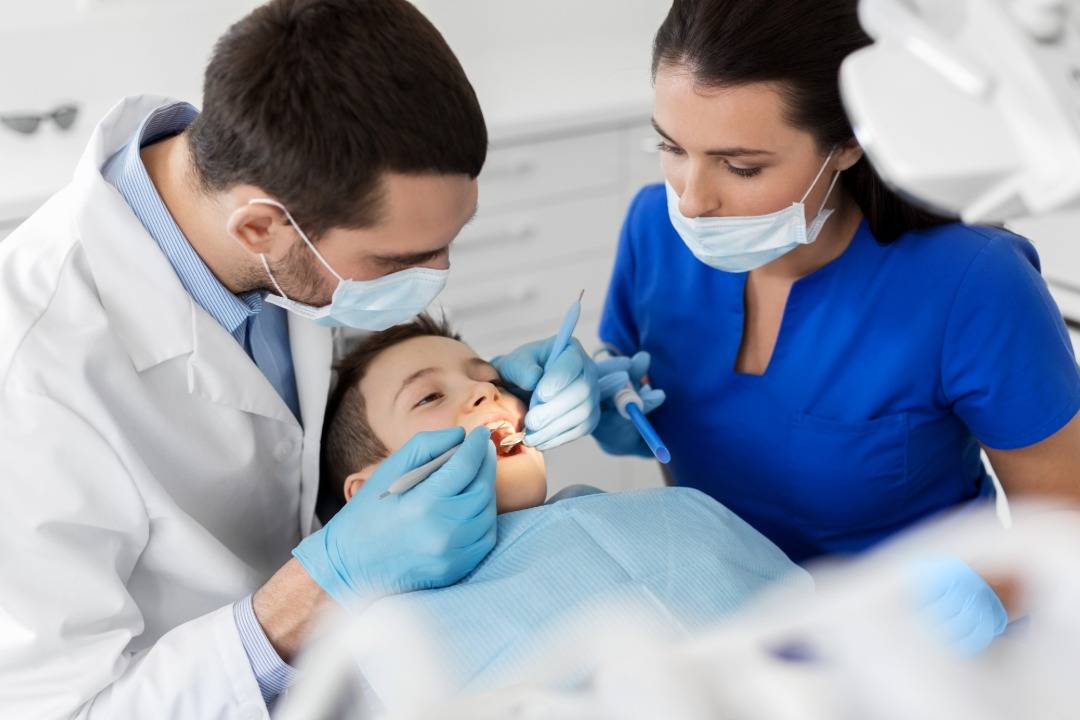
Is your child in pain after a fall or a hit to the mouth, and you need quick help? Dental injuries in kids happen often, and fast care can save a tooth. This post gives clear steps for first aid, when to call the dentist, and how to ease pain.
Keep reading.
Children can face dental injuries at any time—at home, during school, or while playing sports. Knowing these issues helps parents act fast and give the right emergency care.
Act fast to save a knocked-out tooth. Handle the tooth by the crown only, never touch the root. Rinse it gently with milk or saline, do not scrub. Try to reinsert the tooth into the socket, press gently and hold it in place.
Quick action, and simple dental first aid, can change the outcome.
If reinsertion fails, keep the knockedout tooth moist in milk, saline, or the child’s saliva, and use a tooth preservation kit if you have one. Call your pediatric dentistry or emergency care provider right away, control bleeding with clean gauze, and ask about pain relief and steps to avoid tooth loss.
Chipped or fractured teeth are common in children. They can happen during play, sports, or even eating hard foods. A chip may be small and not cause pain. A fracture can hurt and make it hard to chew.
If a child has a chipped tooth, rinse their mouth with warm water. Look for any sharp edges that could hurt their mouth. For a fractured tooth, seek dental help right away. Pain relief may be needed until they can see the dentist.
Proper care is important for healing and keeping the tooth healthy in the future.
Severe toothaches can be very painful for kids. They may feel sharp pain or a dull ache that won't go away. This discomfort can make it hard to eat, sleep, or play. Tooth decay is often the cause of these toothaches.
Sometimes a cracked tooth or an infection in the gums can lead to this issue too.
For emergency care at home, start by rinsing the mouth gently with warm water. A cold compress on the cheek may help reduce swelling and numb the pain. Avoid giving any food that is very hot or cold until you see a dentist for proper treatment.
If your child has severe pain that lasts more than a few hours, it's time to seek professional dental care right away.
Soft tissue injuries can happen to a child’s tongue, lips, or gums. These wounds often come from falls or accidents while playing. A cut may cause bleeding and pain. It is important to stay calm and help your child.
Rinsing the mouth gently with warm water can clean it out. If there is bleeding, use clean gauze to apply gentle pressure. Cold compresses help reduce swelling and soothe discomfort.
Make sure to watch for signs of infection too, like fever or pus forming around the injury. Maintaining good oral hygiene will support healing during this time.
In a dental emergency, rinse your child's mouth gently with warm water. If a tooth is knocked out, hold it by the crown only. Use a cold compress to ease any swelling. For bleeding, place clean gauze on the area and apply gentle pressure.
These simple steps can help until you get professional care... Want more tips? Keep reading!
Gently rinsing the mouth with warm water can help during a dental emergency. It cleans the area and reduces discomfort. Children should avoid using hot or cold water, as these can cause more pain.
Warm water is soothing and helps keep the mouth clean.
This first step is simple but important in managing dental trauma. After rinsing, check for any visible injuries or bleeding. If there’s damage to teeth or soft tissues, take further action right away.
Handle a knocked-out tooth carefully. Always touch the crown, which is the part you can see above the gum. Avoid touching the root because it can get damaged easily. If possible, put the tooth back in place right away.
If not, keep it moist by placing it in milk or saline solution. Do not use water! Keeping a knocked-out tooth safe helps your child’s chances of saving it.
Next, let’s look at how to treat other dental emergencies like chipped teeth and severe toothaches.
A cold compress can help reduce swelling after a dental injury. Wrap ice or a cold pack in a cloth. Place it on the swollen area for 15-20 minutes. This will numb the pain and limit inflammation.
Make sure your child takes breaks between uses to prevent frostbite.
Using this simple method can provide quick relief from discomfort. After applying the cold compress, you may want to check if it's time to seek professional dental care.
Bleeding can happen during a dental injury. To manage this, use clean gauze and apply gentle pressure to the area. Hold it in place for about 10 minutes without peeking. If the bleeding doesn’t stop, you may need to keep applying new gauze until you can get help.
Make sure your child stays calm during this time. Once the bleeding is under control, look for signs of more serious problems like pain or swelling that won’t go away. Knowing when to seek professional dental care is key for their health and safety.
Sometimes, kids need help from a dentist right away. If the pain or swelling doesn’t go away, or if you can’t put a tooth back in place, call your dentist fast.
parents should be aware of the signs and proper responses to pediatric dental emergencies in Fullerton to ensure their child receives timely care.
Persistent pain or swelling can signal a bigger problem. If your child has a toothache that won't go away, it may mean an infection or cavity. Swelling may indicate that something is wrong below the surface.
This could be due to trauma or decay in the teeth.
Ignoring these signs is not smart. These issues can worsen if left untreated. It's best to get professional help when you notice lasting pain or swelling. Swift action helps protect your child's dental health and prevents further problems ahead.
Moving forward, let's talk about when to seek professional dental care for your child.
If a tooth gets knocked out, it is important to try and put it back in place. Sometimes, this just won't work. You might not be able to reposition the tooth correctly. This could happen if the tooth breaks or if your child is too scared to let you help.
In such cases, keep calm and take your child to the dentist right away. The dentist knows how to handle these situations best. Signs of infection can develop quickly if there's a problem with the tooth or gums; watch for any fever or pus around that area.
Getting professional care helps ensure proper healing and pain relief during this stressful time for both you and your child.
Signs of infection include fever, swelling, and pus. A child may feel warm or run a high temperature. Swelling can occur around the tooth or gums, making it hard to chew or speak. Pus may also appear from the affected area, which is a clear sign of trouble.
These symptoms show that professional dental care is needed right away. Ignoring them can lead to more serious problems down the line. Pain relief and proper treatment are essential for your child's health.
Good dental habits help keep kids safe from emergencies. Teach them to brush and floss every day. Using mouthguards during sports is also a smart idea. These steps can prevent injuries that lead to trips to the dentist...
Want to learn more?
Good oral health starts at home. Teach your kids to brush their teeth twice a day. They should use a soft-bristled toothbrush and fluoride toothpaste. Set a timer for two minutes to make sure they clean all surfaces well.
Flossing is also key; it helps remove food stuck between teeth where the brush can’t reach.
Make brushing fun! Sing songs or use apps that show how to do it right. Kids love rewards too, so offer small treats for good habits. Regular dental checkups are important as well; this keeps track of their progress in pediatric dentistry and prevents future problems like toothaches or chipped teeth.
Keeping teeth healthy also means staying safe during sports. Kids can get hurt while playing games. A mouthguard is a smart way to protect their teeth and gums.
These small, soft devices fit over the teeth. They help to absorb shocks from hits or falls. Studies show that wearing mouthguards reduces dental injuries by up to 70% in some sports.
This simple step can make a big difference for your child's dental health, especially during activities like football, basketball, or hockey.
Dental emergencies can happen fast. Knowing what to do helps kids feel better. Take quick action—like rinsing the mouth and using a cold compress. Always check for signs of pain or infection too.
Keeping up with regular dental visits is key for healthy smiles!
Comments (0)