You Don’t Have to Face It Alone: The Value of Group Counseling
5 months ago 240

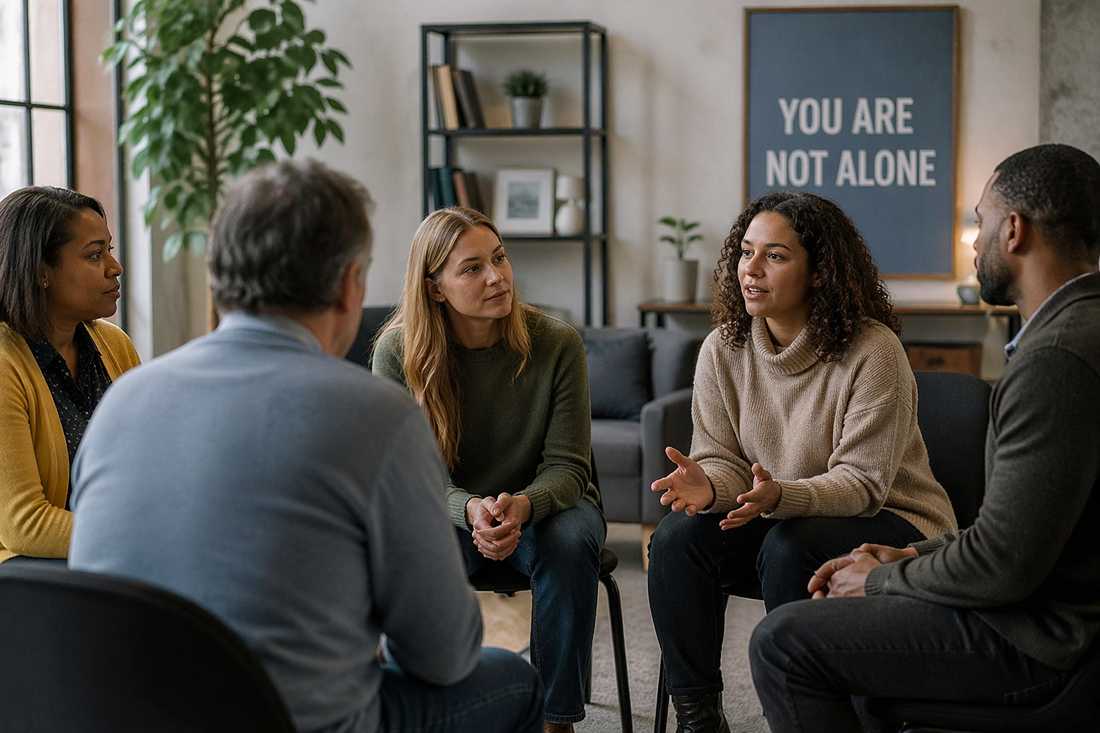
Life can feel overwhelming at times. Stress, relationship challenges, anxiety, or recovery struggles can quietly build up, leaving many people feeling isolated. It is common to believe that handling everything alone is a sign of strength. In reality, connection is often the key to real progress.
Group counseling offers a different path. It creates a space where individuals can share, listen, and grow together. For those exploring support options, there are professionals that offer structured group counseling programs designed to help people move forward with clarity and confidence.
Let’s break it down and look at why this approach continues to help so many people.
Group counseling is a form of therapy where a licensed professional works with several individuals at the same time. Each participant may be facing similar challenges, such as stress, grief, anxiety, or substance use recovery.
Sessions take place in a safe and confidential setting. The counselor guides discussion, encourages participation, and introduces tools to help manage emotions and behaviors.
Unlike individual therapy, group counseling adds a shared dynamic. Participants benefit not only from professional guidance but also from each other’s experiences.
Many people delay seeking help. Some feel unsure about opening up. Others believe their struggles are not serious enough to talk about.
Here is why that can be limiting. When emotions stay bottled up, they often grow stronger. Over time, this can affect daily routines, relationships, and overall well-being.
According to the Centers for Disease Control and Prevention, mental health directly influences how individuals think, feel, and handle stress. Support systems play a key role in maintaining that balance.
Group counseling helps break the cycle of isolation by offering connection and shared understanding.
Let’s break it down into practical benefits that make a real difference.
One of the most immediate benefits is realizing that others share similar experiences. This reduces feelings of isolation and creates a sense of connection.
Hearing “I understand” from someone who truly relates can be powerful.
Group sessions are structured to be respectful and non-judgmental. Participants can share at their own pace.
Over time, this builds comfort and encourages honest communication.
People often gain new perspectives by listening to others. Real-life stories provide insights that feel practical and relatable.
Participants can discover new ways to approach challenges, manage stress, and improve relationships.
Group counseling naturally strengthens communication. Individuals learn how to:
These skills extend beyond therapy and improve interactions in everyday life.
Progress is easier with encouragement. Group members often motivate each other and provide support between sessions.
This sense of accountability helps individuals stay committed to their goals.
Mental health affects more than emotions. It influences how people function at home, at work, and in relationships.
When individuals feel supported, they often experience:
These changes can make everyday life feel more manageable and fulfilling.
Group counseling is widely used in recovery settings. It plays a key role in helping individuals maintain progress and avoid relapse.
It supports recovery by helping people:
The National Institute on Drug Abuse reports that behavioral therapies, including group-based approaches, can improve long-term recovery outcomes.
This makes group counseling a valuable part of many treatment plans.
Starting group counseling may feel unfamiliar. Here is a simple overview of how sessions usually work:
There is no pressure to speak right away. Many people begin by listening and gradually become more involved.
It is normal to have concerns before joining a group.
Taking the first step often leads to a sense of relief and connection.
If you are considering group counseling, here are simple steps to begin:
Consistency helps create meaningful change.
No one is meant to face life’s challenges alone. Group counseling offers a space where individuals can connect, learn, and grow together.
It provides more than guidance. It builds understanding, confidence, and support that extends beyond each session.
If you are ready to explore a supportive path forward, Trailhead Counseling & Recovery Center offers group counseling services designed to help individuals find connection, build resilience, and move toward lasting well-being.
Comments (0)