Angioplasty vs Bypass Surgery: Which is Safer for Heart Patients?
3 months ago 207

Choosing between different heart treatments can feel overwhelming. For many patients and their families, the dilemma remains as to which option is the safest and most effective. In fact, whether you intend to get the best care or simply want to learn about your options, getting the assistance of a knowledgeable person is a major factor. Those who want a very well-known cardiologist in Nagpur may consider Dr. Chetan Rathi as a reliable expert whose advice is clear and who has great heart care expertise. He simplifies things for patients so they comprehend their cardiovascular status well enough to make a good decision regarding their later life.
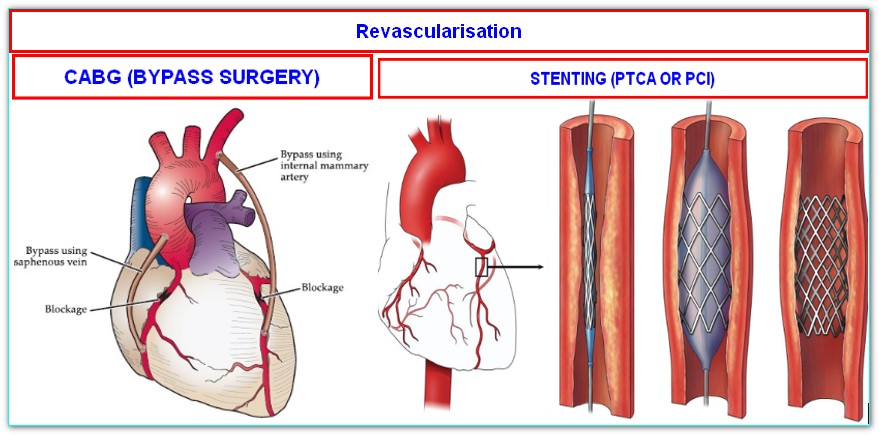
You can imagine angioplasty as a method of repairing a blocked pipe temporarily. Here, the pipe is an artery in your body. Medical personnel take advantage of a very small balloon to push aside plaque that blocks blood flow. After the route is made clear, a small metallic mesh tube known as a stent is usually put in place. The stent remains in the artery to keep it open.
Among the advantages of angioplasty is that it is not a major operation. Usually only a very small incision is made by the surgeon, and this is in the wrist or leg area. You are usually awake but given sedation during the procedure, and generally speaking most people are allowed to leave the hospital the next day. It is a quick procedure, causes minimal pain, and you will be able to resume your usual activities almost immediately.
Bypass surgery involves a lot more steps than that. It's like if angioplasty is just fixing a leaking pipe, then bypass surgery is like constructing a completely new road. When a particular artery is so clogged that it can no longer be cleaned, the doctors might decide to take a healthy blood vessel from another part of the patient's body, such as the leg or chest, and use that vessel to make a detour around the artery blockage.
That is a major surgery. It demands a longer hospital stay and more time for healing. However, it is sometimes the better option if a person has multiple blockages or the heart is very weak. It gives a long-term remedy and, in fact, might reduce the chance of future heart problems better than a stent in complicated cases.
Safety should be considered not only in terms of the procedure itself but also in terms of what suits your body best.
Since Angioplasty is less physically demanding for the patient's body, it is safer in the short term. The risk of infection is also lower due to the absence of large surgical wounds. It is usually the preferred option for elderly patients or those who would not be able to cope well with a major surgery.
Conversely, for people who have a very serious heart condition, Bypass Surgery is usually the safer option over the long term. Even though the recovery process is demanding, the beneficial effects usually last a longer time. Following this, the probability of requiring another operation a few years later is quite low.
Physicians review a number of factors before they put forward a suitable treatment plan:
Those who have angioplasty might be out and about in a matter of hours. They often can return to their jobs in less than a week. The only major change will be that they shouldn't be lifting heavy things for a few days.
With bypass surgery, recovery is much slower. After the operation, one could remain hospitalized for several days and then recover at home for several weeks. Full recovery may take up to three months. However, at that point, most patients feel as though they have re-become youthful and vigorous after undergoing the operation.
Both treatments are very safe nowadays because of the advances in technology. Ultimately, the purpose is to get blood flowing to the heart so that the heart receives proper blood flow.
If you wonder about your heart health, seeing a heart expert like Dr. Chetan Rathi will help you get a treatment plan customized for you. He is dedicated to giving safe and effective treatment that will help you get back to your family with a healthy smile. Knowing the truth about Angioplasty vs Bypass Surgery is a fundamental step towards having a stronger heart and leading a happier life.
Comments (0)