What Happens If You Don’t Replace a Missing Tooth? Long-Term Effects on Your Oral Health
5 months ago 333

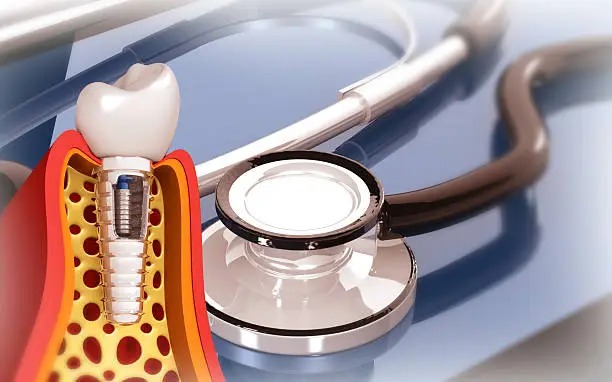
Losing a tooth is more common than many people think. Whether it’s due to decay, injury, or gum disease, it often feels like something you can deal with later, especially if it’s not immediately visible.
But what many patients don’t realize is that a missing tooth isn’t just a cosmetic issue. Over time, it can lead to a series of changes in your mouth that affect not only your smile, but also your overall oral health.
Understanding what happens when a tooth isn’t replaced can help you make more informed decisions about your long-term care.
One of the most important (and often overlooked) effects of a missing tooth is jawbone loss.
Your teeth don’t just help you chew, they also stimulate the underlying bone. Every time you bite or chew, pressure is transferred through the tooth root into the jawbone, keeping it active and strong.
When a tooth is missing, that stimulation disappears.
Over time, the body begins to resorb the bone in that area because it’s no longer needed. This process can begin within the first few months and continue gradually over the years.
This is one of the main reasons why replacing a missing tooth sooner rather than later is often recommended.
Teeth are naturally held in place by a balance of pressure from surrounding teeth. When one is lost, that balance is disrupted.
Nearby teeth may begin to:
This movement might seem minor at first, but it can eventually lead to:
What starts as a single missing tooth can gradually affect multiple teeth if left unaddressed.
Alt text: dentist explaining shifting teeth after tooth loss
Your bite (how your teeth come together) is carefully aligned to distribute pressure evenly when you chew.
When a tooth is missing, that balance changes.
Over time, this can lead to:
In some cases, patients may begin to chew more on one side of the mouth, which can further accelerate these issues.
Jawbone loss doesn’t just affect your teeth, it can also impact your facial structure.
As bone volume decreases, the area around the missing tooth may begin to collapse slightly. Over time, this can contribute to:
These changes are gradual, but they become more noticeable the longer a tooth remains unreplaced.
A missing tooth can create conditions that make it easier for other dental issues to develop.
For example:
This creates a cycle where one problem can lead to others if not addressed early.
Alt text: patient experiencing tooth pain due to missing tooth complications
Replacing a missing tooth isn’t just about restoring appearance, it’s about maintaining the health and structure of your mouth.
There are several options available, including bridges and dentures. However, not all solutions address the underlying issue of bone loss.
For example, dental implants are unique in that they replace the root of the tooth as well as the visible portion. This allows them to stimulate the jawbone in a way that more closely mimics a natural tooth.
Because of this, implants are often recommended as a long-term solution when preserving bone and maintaining stability are key priorities.
Practices that take a comprehensive approach to tooth replacement, such as Family Dentistry of Crystal Lake, where both preventive and advanced restorative treatments are considered together, can help patients evaluate which option best fits their long-term needs.
One of the most important factors in treating a missing tooth is timing.
The longer a tooth remains missing:
In some cases, delaying treatment can mean that additional procedures, such as bone grafting, are needed before replacement is possible.
Schedule a dental evaluation for missing teeth allows for more options and often simpler solutions.
A missing tooth may not seem urgent at first, but over time, it can lead to significant changes in your oral health.
From bone loss and shifting teeth to changes in bite and facial structure, the effects are gradual but meaningful.
Understanding these risks helps patients make informed decisions, not just about replacing a tooth, but about protecting their long-term oral health.
While it’s possible to go years without replacing a missing tooth, changes such as bone loss and tooth shifting can begin within months. The longer the gap remains, the more complex treatment may become later on.
Even if a missing tooth isn’t visible, it can still affect your bite, bone structure, and surrounding teeth. Replacement is often recommended to prevent long-term complications, not just for appearance.
The best option depends on your individual case. Dental implants, bridges, and dentures are all common solutions. Implants are often preferred for long-term stability because they support the jawbone and function similarly to natural teeth.
In most cases, bone does not regenerate on its own after tooth loss. However, procedures like bone grafting can help rebuild bone in preparation for treatments such as dental implants.
Yes, missing teeth can impact chewing, nutrition, and oral hygiene. Over time, they may also contribute to additional dental issues, which can affect overall health if left untreated.
Comments (0)