How Untreated Lisfranc Injuries Can Affect Your Mobility and Life
5 months ago 273

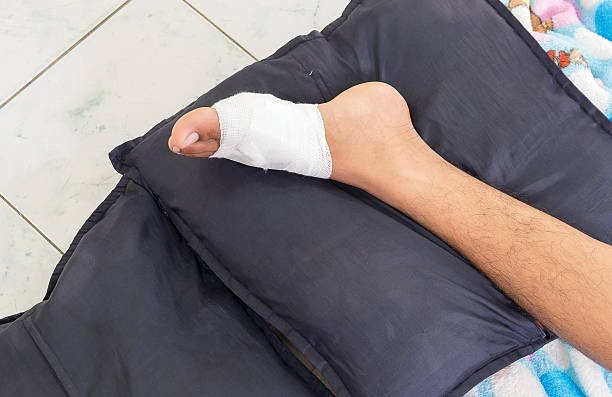
Lisfranc injuries can seriously affect your mobility and quality of life if they are not treated properly. These injuries involve damage to the bones or ligaments in the middle of the foot, an area that is important for walking, balance, and stability. When left untreated, they can lead to long-term pain, difficulty walking, and even permanent disability.
Many people do not realize how serious this type of injury can be. It is often mistaken for a simple sprain, which leads to delays in treatment. However, the risks of not treating a Lisfranc injury can be severe, especially if the bones in the foot are out of place or the ligaments are torn.
A Lisfranc injury affects the midfoot, where the long bones connect to the arch of the foot. This area helps support your body weight and allows smooth movement when you walk or run.
These injuries can happen due to:
They can range from mild ligament strains to severe fractures and joint dislocations.
Lisfranc injuries are sometimes hard to spot at first. Common symptoms include:
A key sign is bruising on the bottom of the foot, which often points to a more serious injury.
Without proper treatment, a Lisfranc injury can lead to serious mobility problems.
These issues can limit daily activities and reduce independence.
Ignoring a Lisfranc injury can cause lasting damage.
These complications can make it difficult to stay active or maintain a normal lifestyle.
The effects of an untreated Lisfranc injury go beyond physical pain.
Even simple tasks like standing for long periods can become challenging.
Getting medical care early can make a big difference.
Treatment options may include:
Proper treatment helps the bones and ligaments heal correctly and reduces the risk of long-term problems.
Recovery from a Lisfranc injury takes time. Some people may need several months to fully heal.
Rehabilitation often includes:
Following medical advice closely can improve recovery and prevent future issues.
You should see a doctor if you experience:
Early diagnosis can prevent complications and improve outcomes.
Understanding Lisfranc injuries and taking them seriously can help you avoid long-term problems. Acting early and following proper treatment can make a big difference in how well you recover and how you move in the future.
Comments (0)