You're Clenching Your Jaw at Night and Wrecking Your Head
3 months ago 224

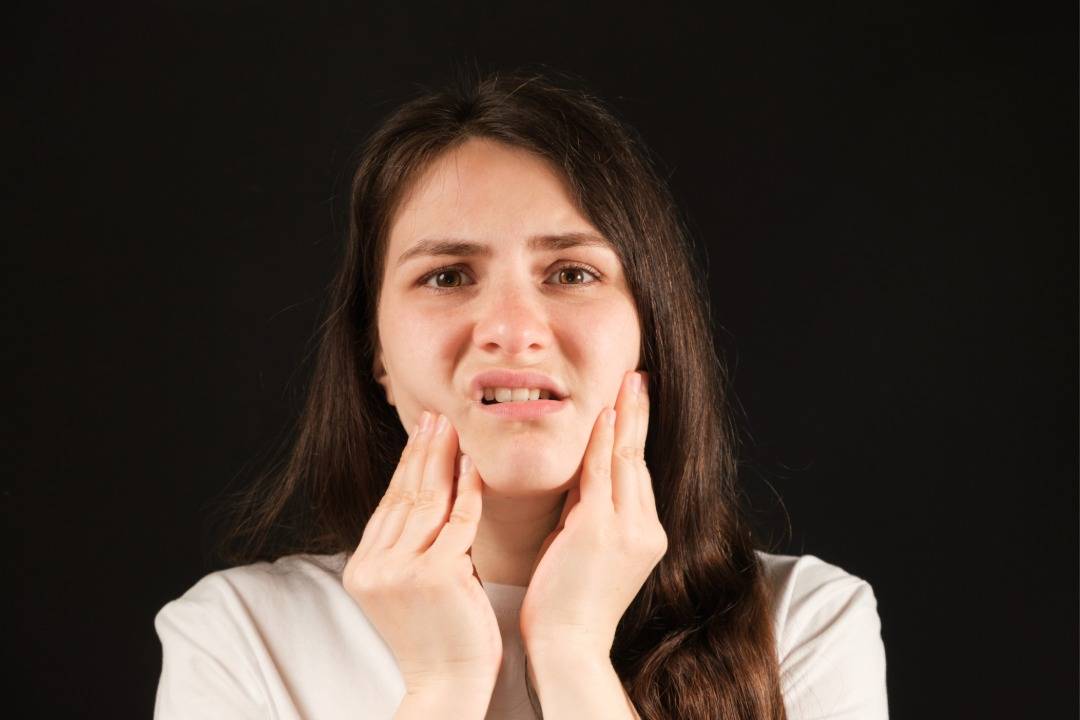
She woke every morning with a dull ache radiating from her temples. Her dentist noticed the evidence first, worn tooth enamel, tiny fractures, gum recession that didn't match her otherwise good oral hygiene. The diagnosis surprised her: bruxism, the medical term for grinding and clenching teeth during sleep. What surprised her more was learning that her morning headaches weren't separate from her jaw problem. They were caused by it.
The temporomandibular joint, TMJ, sits just in front of each ear, connecting the jawbone to the skull. This small joint does enormous work, moving thousands of times daily during eating, speaking, and unconscious clenching. When it malfunctions or experiences excessive stress, the pain rarely stays localized. It radiates upward into temples, across the forehead, behind the eyes, and down into the neck.
The muscles controlling jaw movement, the temporalis, masseter, and pterygoids, are among the strongest in the body relative to their size. When these muscles clench repeatedly during sleep, they generate sustained tension that persists into waking hours. This muscular tension triggers pain patterns indistinguishable from tension-type headache and can activate the cascade leading to full migraine attacks in susceptible individuals.
Furthermore, the trigeminal nerve, the primary pain pathway for headache disorders, innervates both the jaw structures and the head. Irritation from jaw dysfunction feeds directly into the same neural circuitry underlying migraine and other headache conditions. The jaw and head aren't merely neighbors; they share neurological infrastructure.
"TMJ dysfunction is one of the most overlooked contributors to chronic headache, and I see it frequently in patients whose headaches haven't responded to standard treatments," explains Rab Nawaz Khan, M.D., a board-certified neurologist and expert contributor to MyMigraineTeam. "The trigeminal nerve connection means jaw problems don't just coexist with headache, they can directly cause or worsen it. When someone presents with refractory headache, particularly with morning predominance or facial pain components, I always evaluate jaw function and refer to dental specialists when indicated."
Sleep bruxism affects approximately 10% of adults, though many never realize it. Without a bed partner to hear the grinding or a dentist to spot the dental damage, the condition can persist undetected for years while causing escalating head and facial pain.
Stress amplifies bruxism dramatically. The jaw becomes a repository for daytime tension, clenching harder and longer during sleep following stressful days. People often notice their morning headaches worsen during difficult periods at work or home without connecting the pattern to their jaw.
Keep in mind that sleep position influences jaw clenching. Side sleeping can push the jaw out of alignment, and stomach sleeping forces the head to turn in ways that stress TMJ structures. The pillow that seemed comfortable may actually be contributing to jaw dysfunction and subsequent head pain.
Caffeine, alcohol, and certain medications increase bruxism frequency and intensity. Stimulants promote muscle tension that persists into sleep. Alcohol disrupts sleep architecture in ways that increase grinding. SSRIs and other psychiatric medications list bruxism among their side effects.
Also, nighttime grinding represents only part of the problem. Many people clench their teeth during waking hours without awareness, while concentrating, during stressful moments, or as habitual muscle tension.
This daytime clenching sustains muscle fatigue that would otherwise recover between nighttime episodes. The jaw muscles never fully relax, remaining in partial contraction that maintains trigger points and referred pain patterns.
Screen time promotes jaw clenching in many people. The concentration required for computer work, combined with postural changes that affect head and neck position, creates conditions favorable for unconscious clenching. People often notice jaw soreness after long work sessions.
"I ask patients to perform periodic 'jaw checks' throughout their day, simply noticing whether their teeth are touching," explains Alexandra Davis, Psy.D., MSc, a licensed clinical neuropsychologist specializing in lifespan, digital, and forensic assessment. "At rest, teeth should be slightly apart with the jaw relaxed. Most people are surprised to discover how often they're clenching without realizing it. Building awareness of this habit is the first step toward breaking it."
Take note that addressing jaw-related head pain typically requires collaboration between dental and medical specialists. Night guards, custom-fitted oral appliances worn during sleep, remain the frontline treatment for bruxism, preventing tooth damage and reducing clenching forces.
Physical therapy targeting jaw muscles and cervical structures can release chronic tension and restore normal function. Techniques include massage, stretching, dry needling of trigger points, and exercises to improve jaw mechanics.
Botox injections into the masseter and temporalis muscles have emerged as effective treatment for severe cases. By weakening the muscles responsible for clenching, Botox reduces the force generated during bruxism and provides headache relief that persists for months.
Stress management addresses the psychological drivers of clenching. Cognitive behavioral therapy, relaxation techniques, and mindfulness practices can reduce the emotional tension that translates into physical jaw tension.
Plus, distinguishing primary headache from jaw-referred pain isn't always straightforward. Many patients have both, TMJ dysfunction worsening underlying migraine, or migraine treatment failing because jaw contributions go unaddressed.
Clinical clues suggesting jaw involvement include morning headache predominance, pain localized to temples or facial areas, jaw pain or clicking, limitation of mouth opening, and tooth sensitivity without dental pathology. Response to jaw-specific treatments helps confirm the diagnosis.
Imaging studies may reveal joint abnormalities, but many people with TMJ-related pain show normal imaging. Diagnosis relies primarily on clinical examination and symptom patterns rather than definitive tests.
The morning headaches that plagued her for years finally had an explanation beyond "stress" or "tension." A custom night guard prevented her teeth from meeting during sleep. Physical therapy released years of accumulated muscle tension. Her headaches didn't disappear entirely, she still had occasional migraines, but the daily morning pain resolved once its source was finally addressed.
Comments (0)