How to Prevent Pressure Ulcers at Home: The Role of Beds, Mattresses, and Daily Care
5 months ago 250

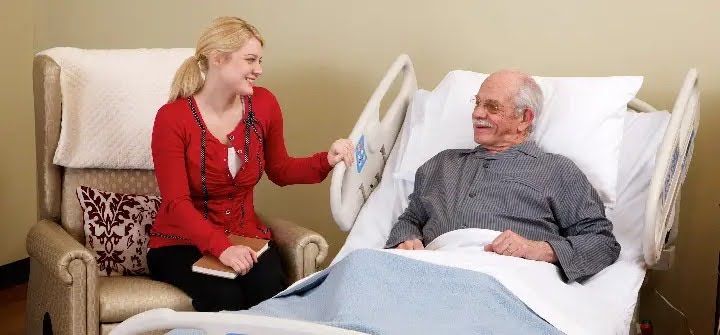
One of the growing concerns for people who are restricted to their beds for a prolonged time or dealing with mobility challenges is pressure ulcers. The issue mainly develops as small red patches on the skin, and gradually it turns into extremely painful wounds due to consistent pressure from lying in a single position.
The risk is even greater for people who are recovering at home, and their care needs entirely depend on family members or caregivers. Without constant repositioning, it develops intense pressure on sensitive areas such as heels, hips, or lower back by restricting blood flow. This causes skin damage and leads to serious issues of ulcers when left unaddressed.
This highlights the importance of creating a safer home care setting with the right caregiving routines and support systems, such as hospital beds for home or specialized mattresses. Medical devices such as these can reduce consistent pressure, improve overall comfort, and prevent the risks of ulcers.
Pressure ulcers are commonly termed across households as bed sores. This condition is common when consistent pressure restricts blood flow to specific areas of an individual’s body who is lying in a single position for prolonged periods. Underlying tissues or skin start breaking down when they lack sufficient nutrients or oxygen. The sores start developing across bony areas such as heels, tailbone, hips, and lower back.
Even for seniors and people with mobility challenges who rely on caregiver assistance, they are at high risk since they fail to reposition themselves on their own. Recent studies have highlighted this growing concern, indicating that 12.8% of patients globally experience painful pressure ulcers.
Several daily stressors increase the risk of developing pressure ulcers:
Identifying the symptoms sooner can help prevent a person from serious, painful complications such as:
Offering timely care and detecting the signs of ulcers can prevent them from turning into painful wounds. Besides the daily care routine, selecting the right support surfaces and appropriate mobility aids is also essential for home modifications. Choosing medical-grade equipment from suppliers like Med Mart can help with the right guidance and the best medical mobility equipment to help caregivers create a safer, supportive care setting at home to prevent pressure.
Specialized beds are thoughtfully engineered medical support beds that help individuals with mobility restrictions. It helps in improving their body positioning, reducing consistent pressure on high-risk areas, and making caregiving seamless across home care settings. They are mainly designed to support prolonged hours of rest while reducing the risk of pressure-related wounds.
These beds are available in different types based on duration of care, patient’s condition, and support requirements:
Long-term beds are engineered for consistent use across home care settings. They offer a lasting structure, stronger support, and consistent management of pressure points in patients who rely on ongoing caregiving assistance.
Short-term beds are mainly used during temporary recovery needs for patients. They offer basic and comfortable relief for individuals healing from injury, illness, or surgery.
Med Surg Beds are designed in a hospital style ideal for surgical or medical care. They help with frequent repositioning and accurate positioning for better management of patients.
Adjustable beds help users or caregivers to shift body positions seamlessly. These are either manual or electric hospital beds that reduce pressure and enhance overall comfort.
Bariatric beds are mainly reinforced medical beds that do heavy lifting. They offer expanded areas and stronger structural supports for even weight or pressure distribution.
Hospital bed mattresses address pressure relief, offering sleeping surfaces to reduce consistent pressure on pain points. It also enhances overall comfort and supports the health of the skin for people who remain in a lying position for a prolonged time. They align perfectly with medical beds for even weight distribution, reducing the risk of skin damage.
These mattresses are available in various types based on the required support level and advanced design:
Foam mattresses are typically soft, contoured surfaces that align seamlessly with body shape. It helps even weight distribution across pressure-prone areas, preventing the risk of ulcers.
Air pressure mattresses implement changing air cells that consistently shift the pressure points. It helps maintain optimal blood circulation, preventing excessive stress on the skin that may lead to ulcers.
An innerspring mattress uses a coil-based support system offering structure and firmness. It offers limited pressure relief compared to other forms of advanced medical-grade mattresses.
Specialized beds and mattresses play a critical part in preventing the development of pressure ulcers, enhancing the quality of care to people with limited mobility.
Hospital beds and mattresses can considerably help in even weight distribution across surfaces. This eliminates stress points on high-risk areas, including hips, lower back, heels, and shoulders, which are prone to bed sores.
Even weight distribution factor promotes healthier blood circulation, preventing extended compression. Reduced pressure on sensitive areas will eliminate the risk of skin damage, helping to maintain overall comfort during prolonged rest periods.
The extremely adjustable features present in specialized beds enable users to change their positions without any stress. Supportive mattresses work optimally alongside such adjustments that help in adequate alignment of one’s body at all times.
Proper positioning will eliminate any undue pressure on muscles and joints. Caregivers can help with repositioning seamlessly to ensure comfort and reduce the development of pressure-induced injuries.
Comfort plays an integral part in preventing the development of pressure ulcers for people spending extended periods in bed. These specialized beds and mattresses are built to reduce stiffness and offer a supportive resting surface.
An optimally supported body will not undergo any discomfort. It reduces frequent movement that develops with excruciating pain from ulcer wounds. Comfortable positioning will help skin to stay protected and prevent irritation or pressure from building up over time.
Common causes for skin damage are shear and friction, which develop when an individual is moving or repositioning themselves. Specialized mattresses are built with materials to reduce resistance against the skin during repositioning.
Small adjustments in bed positioning can help prevent pulling or dragging of the skin. Reduced friction can safeguard sensitive areas of skin, reducing the chances of tears, irritation, or early stages of pressure ulcers from forming.
These specialized beds and mattresses offer great relief to caregivers. These tools simplify their daily care routines with adjustable settings. This helps with movement, hygiene, and repositioning tasks.
Enhanced accessibility enables caregivers to perform regular skin inspections without causing stress or discomfort to patients. Recognizing early signs of pressure ulcers can help caregivers at home to take prompt action and maintain a safer, more comfortable care setting at home.
It is important to have the right support mechanism and attentive care settings to prevent the risk of pressure ulcers.
A good care setup generally consists of:
All these factors together can eliminate the risk of pressure wounds and improve overall comfort. Choosing the right equipment from suppliers like Med Mart can offer you a complete array of options that help you adapt your care setup to changing needs.
Preventing pressure ulcers at home requires frequent care, proper positioning, and the use of appropriate support systems. Pressure-relief mattresses and specialized beds help minimize constant pressure, enhance comfort, and reduce the risk of skin damage for individuals with limited mobility.
Equipment selection according to the needs of the patient can be a very important aspect of safety and recovery. It is also essential to buy from trusted suppliers like Med Mart to ensure quality, comfort, and reliable home care support.
Author Bio:
David is the VP of E-Commerce at Med Mart, where he leads digital strategy, marketing, and customer experience. With over a decade in the durable medical equipment industry, he’s passionate about helping families and caregivers find reliable solutions that make everyday life safer and easier.
Comments (0)