The Gut-Brain Connection and Cravings
5 months ago 280

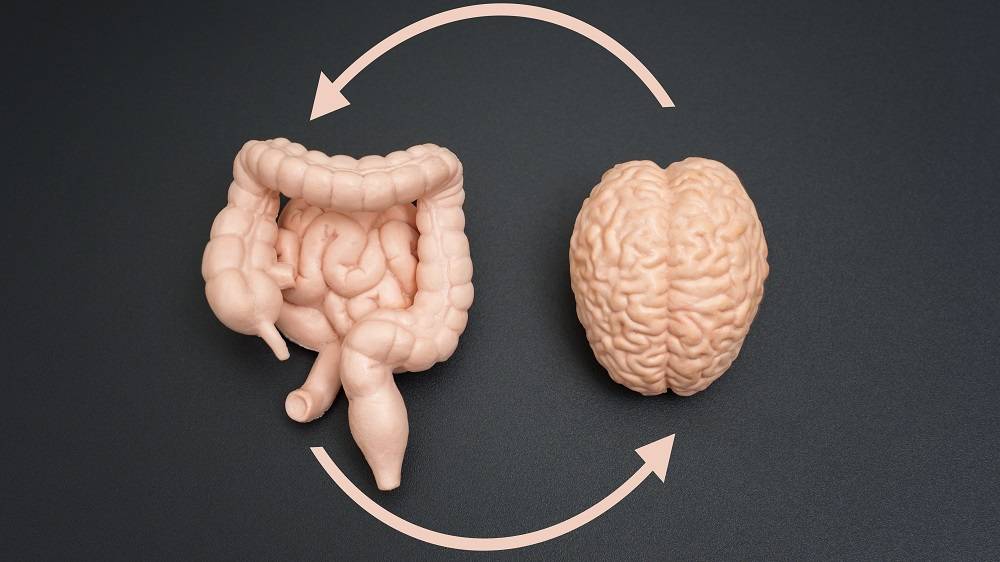
We may not realise it, but our gut and are brain is so connected and the importance of gut health has been really put into the spotlight of late.
The realisation that gut health is vital to our overall health and wellbeing has really come to the fore and we’re seeing all manner of supplements and trendy potions, although we’re not sure that’s the technical term, hit the shelves, designed to improve your gut health.
The gut also plays a big part in our cravings, too, and looking after your gut to manage cravings is so instrumental in the likes of addiction treatment and getting drug or alcohol help. Educating ourselves around the gut-brain connection is so important, so here’s a quick 101 to get you started, exploring the connection between the two and how our gut impacts cravings.
At the centre of this relationship is the gut microbiome, a vast community of trillions of microorganisms, including bacteria, viruses, and fungi, residing primarily in the large intestine. These microbes are not merely passive inhabitants; they actively participate in processes that affect our overall health. They help break down food, produce essential nutrients, and regulate immune function. Crucially, they also communicate with the brain through neural, hormonal, and chemical pathways.
One of the key communication routes is the vagus nerve, a major nerve that connects the gut directly to the brain. Through this pathway, signals about hunger, satiety, and even inflammation are transmitted. In addition, gut bacteria produce neurotransmitters such as serotonin, dopamine, and gamma-aminobutyric acid (GABA), all of which influence mood and behaviour. Remarkably, around 90% of the body’s serotonin, often called the “feel-good” chemical, is produced in the gut.
Cravings, often dismissed as simple indulgences or lack of discipline, may in fact be deeply rooted in this gut-brain communication system. Certain gut bacteria thrive on specific nutrients. For example, microbes that prefer sugar may send signals that encourage the host to consume sugary foods, thereby ensuring their own survival. This can create a feedback loop where unhealthy eating patterns reinforce the growth of less beneficial bacteria, which in turn drive further cravings.
Stress and emotional states also play a significant role in shaping cravings through the gut-brain axis. When an individual experiences stress, the body releases hormones such as cortisol, which can alter gut function and microbial balance. This disruption may lead to increased cravings for high-fat, high-sugar “comfort foods”. These foods can temporarily boost mood by stimulating reward pathways in the brain, but over time they may negatively affect gut health, perpetuating the cycle.
Diet is one of the most powerful tools for influencing the gut microbiome and, by extension, cravings. A diet rich in fibre, fruits, vegetables, and fermented foods supports a diverse and balanced microbiome. Fibre, in particular, acts as a prebiotic, feeding beneficial bacteria and promoting the production of short-chain fatty acids that support gut health and may help regulate appetite. Fermented foods such as yoghurt, kefir, and sauerkraut introduce beneficial bacteria that can positively influence the gut environment.
Conversely, diets high in processed foods, refined sugars, and unhealthy fats can reduce microbial diversity and encourage the growth of bacteria associated with inflammation and poor metabolic health. This imbalance, known as dysbiosis, has been linked not only to increased cravings but also to conditions such as obesity, anxiety, and depression.
Understanding the gut-brain connection empowers individuals to take a more compassionate and informed approach to managing cravings. Rather than viewing cravings as a personal failing, they can be seen as signals influenced by complex biological processes. By nurturing gut health through balanced nutrition, stress management, and adequate sleep, it is possible to support healthier eating patterns and improve overall wellbeing.
Comments (0)