How AI Product Avatars Are Rewriting the Rules of Product Marketing
3 months ago 340


There's a moment every product marketer dreads.
You've crafted the perfect campaign. The visuals are polished, the copy is sharp, and the landing page converts beautifully. Then your boss asks: "Can we get videos for all 200 SKUs by next month?"
Your stomach drops. The math doesn't work. Even at breakneck speed, you'd need an army of videographers, models, and editors working around the clock. The budget alone would crater your quarterly targets.
This scenario used to end in compromise: pick your top 20 products and pray the rest sell themselves. But in 2026, a different solution is emerging, one that's reshaping how brands think about product content entirely.
Topview's AI Product Avatar represents a fundamental shift in how products get presented online. Instead of treating video as a production challenge, it becomes an automated output, a natural extension of your product data.
The concept is elegantly simple: every product image in your catalog can become a talking avatar AI presentation. Upload a photo of your coffee maker, wireless speaker, or designer handbag, and the system generates an AI video avatar that demonstrates features, highlights benefits, and addresses common customer questions.
But here's what makes it actually revolutionary: these aren't generic templates. The avatar AI adapts its presentation style based on product category, target audience, and your specific brand guidelines. A tech gadget gets explained with precision and enthusiasm. A luxury item receives elegant, aspirational framing. A kids' toy is presented with warmth and safety-focused messaging.
The result?
Every product gets personalized attention without personalizing your production costs.
Let's acknowledge the elephant in the room: most product videos are forgettable.
They suffer from one of two extremes:
Option A: High-budget productions that look stunning but take months to produce. By launch day, market conditions have shifted, competitors have moved, and your "fresh" content already feels dated.
Option B: Low-budget smartphone videos that technically show the product but lack the polish customers expect. They damage brand perception more than they help conversion.
The AI influencer approach splits this difference perfectly. Professional quality meets production speed. You get the credibility of a high-end talking avatar without the timeline or expense that traditionally requires.
According to industry data, 91% of consumers want more video content from brands, yet most companies struggle to deliver even basic coverage of their product lines. The gap between audience expectation and production capacity has kept on widening, until now.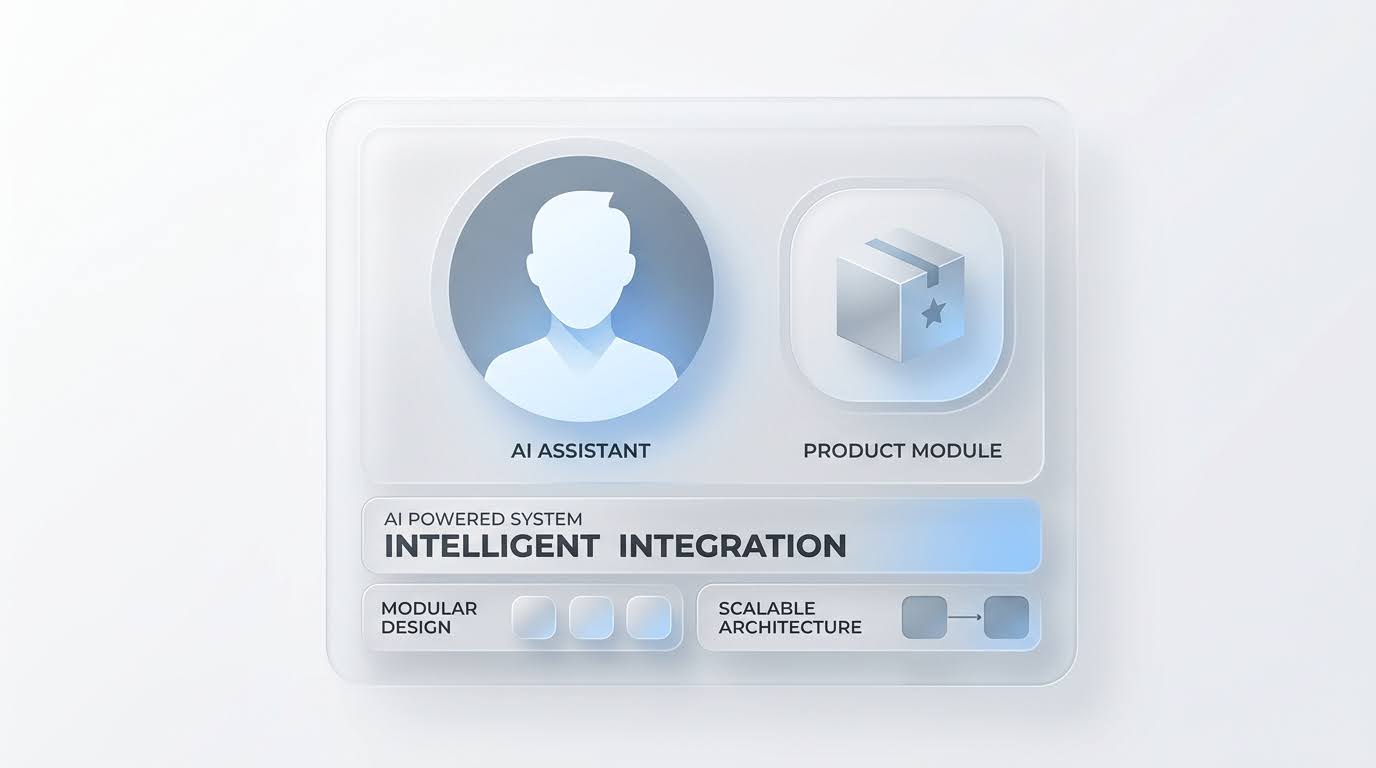
Understanding how AI Product Avatar actually works demystifies the value.
You start with assets you already possess: product photography from your catalog. These images become the foundation. The AI avatar video system analyzes composition, lighting, and product type, then you can choose a complementary presenter which would be generated to interact with your item naturally.
Next comes messaging. You can input a script about features and benefits. The talking avatar AI transforms this information into natural-sounding dialogue, complete with appropriate pacing, emphasis, and conversational flow.
Voice selection adds another layer of customization. Choose characteristics that match your brand identity: professional and authoritative for B2B tech, friendly and approachable for consumer goods, energetic and youthful for lifestyle products. The AI video avatar delivers your message in whatever tone connects with your audience.
Powered by cutting-edge video synthesis models like Seedance 2.0, generation happens in minutes. What emerges is not a rough draft requiring extensive editing -- it is publication-ready content optimized for multiple platforms. The same base video adapts into vertical format for TikTok and Reels, horizontal for YouTube, and square for feed posts.
Numbers tell the real story of impact.
Brands using AI avatars for product demos report conversion rate increases between 20-40% compared to static product pages. The human element, even if AI generated, builds trust that specifications alone cannot.
Watch time metrics reveal similar patterns. Videos featuring talking avatar presentations keep viewers engaged 50% longer than traditional product slideshows. Engagement duration directly correlates with purchase intent.
But perhaps the most compelling metric is production velocity. Teams that once produced 10-15 product videos per quarter now output 100+ without expanding budgets or headcount. This volume enables comprehensive catalog coverage, rapid response to seasonal trends, and continuous testing of messaging variations.
Smart marketers are discovering applications that extend beyond basic product demos.
Comparison videos: The same AI avatar presents multiple products side-by-side, helping customers choose between options without leaving your ecosystem.
Seasonal refreshes: Update holiday messaging across your entire catalog in hours, not weeks, keeping content relevant throughout promotional periods.
Localization at scale: Generate the same product presentation in multiple languages with culturally appropriate avatar AI characteristics, making global expansion logistically feasible.
Customer education: Create how-to content and troubleshooting guides that reduce support tickets while improving product satisfaction.
The talking avatar becomes your always-on sales associate who is available 24/7, fluent in dozens of languages, and capable of presenting every product in your inventory with equal enthusiasm and expertise.
We've reached a tipping point where not having video content for your products actively hurts sales. Algorithms deprioritize static listings. Customers scroll past image-only posts. Competitors with video capture the attention you're losing.
AI Product Avatars don't just solve a production problem, it eliminates the strategic disadvantage of limited content capacity. Your catalog becomes your content engine. Your products become their own best advocates.
The infrastructure exists. The ROI is documented. The only question is timing: will you lead this transition or follow it?
Comments (0)