Do Wisdom Teeth Always Need to Be Removed?
5 months ago 361

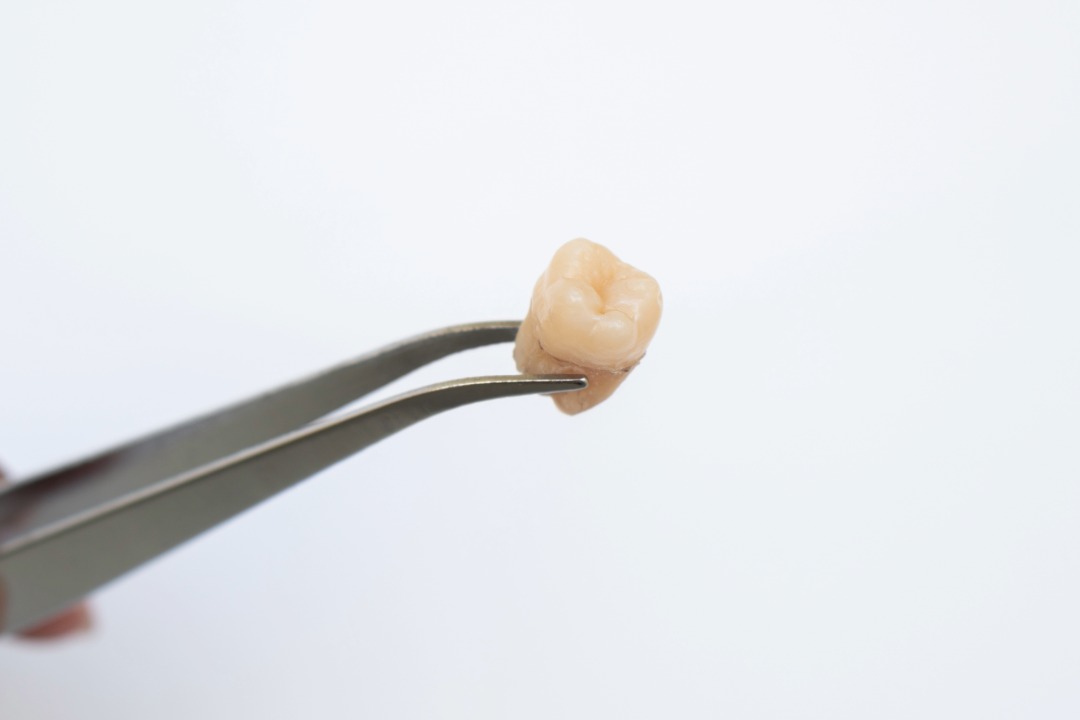
A lot of people assume wisdom teeth always need to come out.
That is one of the most common beliefs in dentistry, but it is not always true.
Some wisdom teeth cause real problems. Others come in normally, stay healthy, and never need to be removed at all. The answer depends on how they grow, how much room you have in your mouth, and whether they are creating issues now or are likely to create them later.
So no, wisdom teeth do not always need to be removed.
But in many cases, removal is still the better choice. Read this guide from Hollywood Dentist experts to understand the issue better.
Wisdom teeth are your third molars. They usually appear in the late teens or early twenties, although timing can vary from person to person.
Most people have four wisdom teeth, two on top and two on the bottom. Some people have fewer. Some never develop them at all.
These teeth sit at the very back of the mouth. Because they erupt last, they often run into a simple problem. There may not be enough space left for them to come in properly.
That is where the trouble usually begins.
Wisdom teeth are not automatically bad teeth. The issue is that they often come in at the wrong angle, stay partly trapped under the gums, or press against nearby teeth.
When that happens, they can become hard to clean and more likely to cause pain, swelling, infection, decay, or gum problems.
In some cases, a wisdom tooth grows in straight, fully erupts, and fits well with the teeth around it. When that happens, it may not need to be removed.
That is why dentists do not make the decision based on the name of the tooth alone. They look at the position, condition, and long-term risk.
Not every wisdom tooth is a problem.
If a wisdom tooth comes in fully, sits in the right position, does not damage nearby teeth, and can be cleaned properly, it may be left alone.
That is the key point many people miss.
A healthy wisdom tooth that functions normally and does not create crowding, infection, or decay may not need extraction. Your dentist may simply monitor it during regular exams and X-rays.
This is more common in people who have enough jaw space for the tooth to erupt correctly. It can also happen when the tooth is easy to brush and floss like any other molar.
In that situation, removal may not offer much benefit.
More details here: https://hollywood-dentist.com/remove-wisdom-teeth/
Wisdom teeth are more likely to be removed when they show signs that they are causing problems or are very likely to cause problems soon.
A common reason is impaction. This means the tooth does not fully erupt because it is stuck under the gum or trapped against another tooth. An impacted wisdom tooth can lead to pain, swelling, jaw pressure, and infection.
Another issue is partial eruption. Sometimes the tooth breaks through only part of the gum. That small opening can trap food and bacteria, which makes the area difficult to clean. This often leads to gum irritation, bad breath, tenderness, and repeated infection.
Dentists may also recommend removal if the wisdom tooth is pushing against the second molar next to it. Over time, this pressure can damage the neighboring tooth or create areas where decay starts.
Decay itself is another major reason. Since wisdom teeth sit so far back, they are often harder to clean well. If they develop cavities, especially large ones, saving them may not always be practical.
Sometimes the concern is not current pain, but future risk. If the tooth is angled badly on X-rays or there is clearly not enough room for it, your dentist may recommend removing it before it causes more serious complications.
A lot of people believe wisdom teeth always make the front teeth crooked.
That idea is more popular than it is simple.
Wisdom teeth can create pressure in the back of the mouth, but they are not the only reason teeth shift over time. Natural aging, bite changes, jaw development, and orthodontic relapse can also affect alignment.
Still, if wisdom teeth are coming in sideways or do not have room, they may contribute to crowding or place pressure on nearby teeth. In some patients, especially those who had braces, the dentist or orthodontist may want to remove them to reduce future problems.
So wisdom teeth are not always the direct cause of crowding, but they can still be part of the issue.
Some people feel nothing at all when their wisdom teeth start coming in.
Others notice discomfort that comes and goes. You might feel pressure at the back of the mouth, swelling in the gums, pain when chewing, or tenderness in the jaw.
Sometimes the signs are less obvious. You may notice bad breath, a bad taste in your mouth, difficulty opening wide, or repeated gum irritation behind your last molars.
These symptoms do not always mean the teeth must be removed right away, but they are a good reason to have them checked.
Pain that keeps returning usually means something is not right.
No pain does not always mean no problem.
That is an important point.
Some impacted wisdom teeth stay silent for a long time. They may still be pressing against another tooth, causing hidden decay, or creating a pocket where bacteria collect. Problems can develop slowly without obvious symptoms at first.
That is why dental exams and X-rays matter. Your dentist can see what is happening below the surface and decide whether the teeth are healthy, stable, and safe to keep.
In other words, wisdom teeth should not be judged by pain alone.
If wisdom teeth do need to come out, many dentists prefer to remove them before they become more complicated.
That does not mean every young adult should automatically have surgery. It means that when removal looks likely, earlier treatment can sometimes be easier than waiting until the roots are more developed or the tooth has already caused damage.
Younger patients often heal faster. The teeth may also be easier to remove before they are deeply set or before infection and bone loss develop around them.
This does not mean older adults cannot have wisdom teeth removed. They can. It simply means timing sometimes matters.
Timing matters just as much as the decision itself, and knowing when to have your wisdom teeth removed usually comes down to your X-rays, root development, and how much space is left in your jaw. If you are weighing that choice, an in-person exam with a dentist who handles oral surgery is the fastest way to get a clear answer.
The decision usually comes down to a few practical questions.
Is the tooth healthy or already causing trouble?
Can it fully erupt into a useful position?
Can you keep it clean?
Is it damaging the tooth next to it?
Does the X-ray show a high chance of future problems?
That is the real process. A dentist is looking at risk, not guessing.
One person may have four wisdom teeth and keep all of them. Another may need only one removed. Someone else may need all four extracted because they are impacted and poorly positioned.
There is no one-size-fits-all answer.
If your wisdom teeth are healthy and your dentist believes they can stay, that does not mean you should forget about them.
They still need monitoring.
Because they sit so far back, they are easy to miss when brushing and flossing. Even wisdom teeth that erupt normally can become problem areas if plaque builds up. Regular cleanings, checkups, and occasional X-rays help catch issues early.
Keeping wisdom teeth usually works best when they are fully erupted, easy to reach, and not interfering with surrounding teeth or gums.
If any of that changes, the plan can change too.
Wisdom tooth removal is a very common procedure.
Some extractions are simple. If the tooth is fully erupted and easy to access, removal may be straightforward. Others are surgical, especially when the tooth is impacted under the gum or bone.
After removal, some swelling, soreness, and limited jaw opening are normal for a few days. Recovery depends on how complex the extraction was, your general health, and how well you follow aftercare instructions.
Most people do well when they rest, keep the area clean as instructed, eat soft foods for a short time, and avoid habits that can disturb healing.
No, they do not.
Wisdom teeth only need to be removed when they are causing problems, likely to cause problems, or cannot come in properly and stay healthy.
Some people keep theirs for life with no issue. Others need removal because the teeth are impacted, infected, decayed, hard to clean, or putting nearby teeth at risk.
The best answer comes from an exam and X-rays, not from a general rule.
If your wisdom teeth are coming in and you are unsure what to do, the smartest move is to have them evaluated early. That gives you a clear picture of whether they can stay or whether removal will save you trouble later.
In the end, wisdom teeth are not automatically something to fear.
They just need the right decision for your mouth.
Comments (0)