Gentle Exercises That Help Relieve Joint Stiffness
4 months ago 262

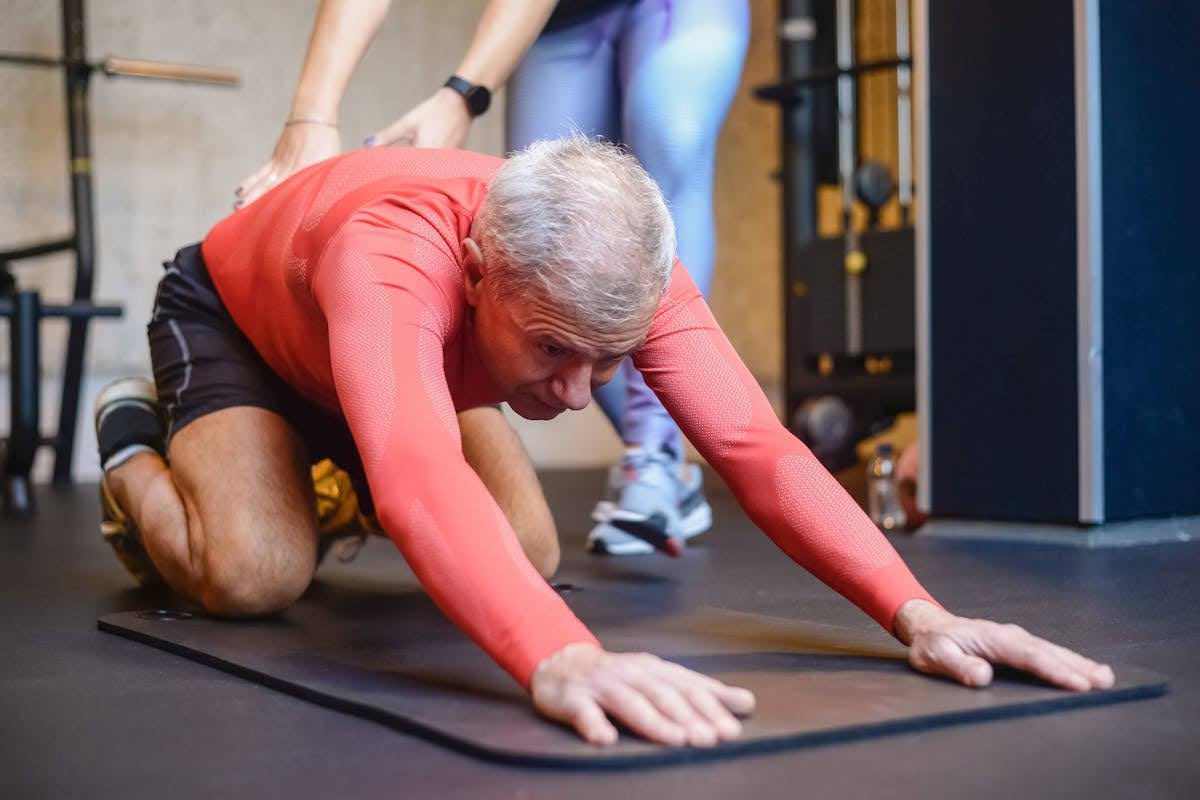
Picture this: you wake up feeling like your body spent the night in a vise grip. Your knees creak when you stand, your shoulders feel locked in place, and even simple movements like reaching for your coffee mug send sharp reminders that your joints aren't happy. According to the CDC's 2023 arthritis surveillance data, over 58 million American adults live with doctor-diagnosed arthritis, and joint stiffness affects an even broader population including office workers, weekend athletes, and anyone over 40.
What's particularly striking about joint stiffness is how it creates a vicious cycle — the stiffer you feel, the less you want to move, which only makes the stiffness worse. As our population ages and sedentary work becomes the norm, joint mobility issues are appearing earlier and affecting people who never considered themselves "arthritis candidates." The good news? Research consistently shows that gentle, targeted movement can break this cycle more effectively than rest or medication alone.
The key lies in understanding not just what exercises help, but why they work and how to adapt them for your specific situation. Whether you're dealing with morning stiffness that fades after an hour or persistent joint discomfort that affects your daily activities, guidance from a Glen Rock orthopedic expert can help tailor an approach that restores mobility without triggering pain.
Joint stiffness isn't just about "getting older" — it's a mechanical problem with a mechanical solution. When you don't move a joint through its full range of motion regularly, the synovial fluid inside becomes thicker and less effective at lubricating the joint surfaces. Think of it like motor oil that's been sitting in a cold engine versus oil that's been warmed up and circulated.
Synovial fluid production increases dramatically with gentle movement. This clear, viscous liquid acts as both lubricant and shock absorber, but it only flows freely when joints move through their natural patterns. Static positions — whether you're hunched over a computer or sleeping in the same position all night — allow this fluid to become gel-like and sticky.
Movement also addresses the inflammatory component of stiffness. When joints sit idle, inflammatory mediators can accumulate in the tissue spaces around the joint capsule. Gentle exercise creates a pumping action that helps flush these irritating substances while bringing fresh, oxygen-rich blood to the area. This explains why many people notice their stiffness improves throughout the day as they become more active.
The temperature effect matters too. Cold, stiff tissues are less pliable and more prone to injury, while warmed tissues stretch more easily and safely. Gentle exercise naturally raises tissue temperature through increased blood flow, making subsequent movements feel smoother and less restricted.
Perhaps most importantly, consistent gentle movement maintains the elastic properties of the connective tissues around joints. Tendons, ligaments, and joint capsules all respond to regular stress by maintaining their flexibility. Without it, they gradually shorten and tighten, creating the sensation that your joints are "rusty" or "frozen."
Not all exercises target joint stiffness the same way, and understanding these differences helps you choose the right approach for your specific needs. Range-of-motion exercises focus purely on moving joints through their natural patterns without resistance, like gentle arm circles or ankle rotations. These are your first line of defense against stiffness and work well when joints feel particularly tight.
Strengthening exercises address a different piece of the puzzle. Weak muscles can't properly support and stabilize joints, forcing the joint structures themselves to work harder. When surrounding muscles are strong, they take on their proper role as shock absorbers and joint protectors, reducing the mechanical stress that contributes to stiffness.
Low-impact aerobic activities like walking or cycling serve a dual purpose — they increase overall circulation while gently moving multiple joints simultaneously. The rhythmic, repetitive nature of these activities helps maintain the pumping action that keeps synovial fluid flowing effectively.
The timing and intensity of these different exercise types can significantly impact their effectiveness for joint stiffness relief.
Warm-up exercises for stiff joints focus on gradually increasing tissue temperature and synovial fluid production before more demanding activities. These typically involve slow, controlled movements that progressively increase in range. Gentle arm swings, leg swings, or marching in place prepare joints for more intensive movement by literally warming the tissues and stimulating fluid production.
Cool-down exercises serve a different purpose entirely. After activity, muscles tend to tighten as they cool, and metabolic waste products can accumulate in the tissues. Cool-down stretches help maintain the improved flexibility gained during exercise while preventing the rapid tightening that often occurs post-activity.
The key difference lies in intent: warm-ups prepare joints for movement, while cool-downs preserve the mobility gains you've just achieved. Skipping either can leave you feeling stiffer than when you started, especially if you jump into intense activity with cold joints or stop abruptly without allowing tissues to gradually return to their resting state.
Pilates emphasizes controlled movements that combine strength, flexibility, and body awareness. For joint stiffness, its value lies in the focus on precise, flowing movements that take joints through their full range while building the stabilizing strength that prevents future stiffness. The emphasis on core stability also helps maintain proper posture, reducing the mechanical stress that contributes to joint problems.
Resistance training uses external weight or resistance bands to strengthen muscles around stiff joints. While this might seem counterproductive, stronger muscles actually reduce joint stress by providing better support and shock absorption. The key for stiff joints is starting with very light resistance and focusing on full range of motion rather than heavy weights.
Aquatic exercises provide unique benefits through water's natural properties. The buoyancy reduces joint loading while the water's resistance provides gentle strengthening. Water temperature also helps relax tight tissues, making movement feel easier and less painful than land-based activities.
The most effective exercise program for joint stiffness isn't a one-size-fits-all prescription — it's a carefully tailored approach that considers your current mobility level, underlying conditions, and lifestyle demands. Starting intensity should be conservative enough that you finish feeling better, not worse. If you experience increased stiffness or pain lasting more than two hours after exercise, you've likely done too much too soon.
Progression principles matter enormously. Your joints adapt gradually to increased demands, and pushing too hard too fast can trigger protective muscle guarding that actually increases stiffness. A better approach involves adding just one variable at a time — slightly longer duration, marginally increased range of motion, or minimal additional resistance.
Pain monitoring requires nuanced understanding. Sharp, shooting, or severe pain signals the need to stop immediately. Mild discomfort or the sensation of stretching tight tissues, however, is often normal and may actually indicate that you're successfully addressing restricted areas. The goal is working within your current capabilities while gently challenging them.
Environmental factors play a larger role than most people realize. Cold rooms or drafty spaces can cause muscles to tighten protectively, making exercises feel harder and less effective. Many people find that performing their routine in a warm room or after a warm shower significantly improves their comfort and range of motion.
Seniors often need modifications that account for balance concerns and potentially multiple joint issues simultaneously. Chair-based exercises can provide safety while still delivering mobility benefits. Focus shifts toward maintaining functional movements like reaching overhead, stepping up curbs, or getting in and out of chairs rather than athletic performance measures.
Office workers typically present with specific patterns of stiffness — forward head posture creating neck and shoulder tension, hip flexor tightness from prolonged sitting, and thoracic spine stiffness from hunching over computers. Their exercise selection should directly counter these patterns with movements that reverse the positions they hold all day.
Timing becomes crucial for office workers. Brief movement breaks throughout the day often prove more effective than single, longer exercise sessions for combating the cumulative effects of prolonged static postures.
The biggest mistake people make with joint stiffness exercises is the "no pain, no gain" mentality. Aggressive stretching or forcing movements beyond current range can trigger protective muscle spasms that actually worsen stiffness. A gentler approach that respects current limitations while gradually encouraging improvement proves far more effective long-term.
Another common error involves inconsistent timing. Joint stiffness responds better to frequent, brief sessions than occasional marathon efforts. Ten minutes daily beats an hour once weekly for maintaining mobility and preventing the return of stiffness.
Pain signals require careful interpretation. Sudden onset of severe pain, pain that worsens during the exercise, or pain accompanied by swelling or warmth may indicate injury rather than normal tissue adaptation and warrants professional evaluation, particularly from healthcare providers like a Glen Rock orthopedic expert who can assess whether symptoms represent normal exercise responses or underlying joint problems requiring medical attention.
Building an effective routine for joint stiffness starts with honest assessment of your current mobility patterns. Notice which joints feel stiffest at different times of day, which movements feel restricted, and what activities make your stiffness better or worse. This awareness guides exercise selection more effectively than generic recommendations.
Daily structure should include brief mobility work in the morning to address overnight stiffness, movement breaks throughout the day to prevent accumulation of tension, and gentle stretching in the evening to maintain gains. This approach works better than cramming all exercise into a single session.
Weekly programming benefits from variety. Alternate between more dynamic movement days and gentle stretching days. Include at least two days focusing on strengthening the muscles that support your stiffest joints, and one day of more sustained, flowing movement like walking or swimming.
Progression tracking doesn't require complex measurements. Simple observations like "I can reach higher today" or "my morning stiffness lasts 15 minutes instead of 45" provide meaningful feedback about program effectiveness. Consider keeping a brief daily note about stiffness levels and exercise responses.
Recovery elements deserve equal attention to the exercises themselves. Adequate sleep, proper hydration, and stress management all influence joint stiffness levels. The most perfectly designed exercise routine can't overcome the effects of chronic sleep deprivation or dehydration on tissue quality.
The American College of Rheumatology's 2019 guidelines specifically recommend regular physical activity as a cornerstone treatment for osteoarthritis-related joint stiffness, noting that exercise can reduce pain and improve function by 40% or more when consistently applied. This recommendation stems from decades of research showing that appropriate exercise is one of the few interventions that directly addresses both the mechanical and inflammatory components of joint stiffness.
Recent biomechanical research has revealed why gentle exercise outperforms both aggressive exercise and complete rest for stiffness relief. Studies using real-time imaging show that moderate joint movement optimizes synovial fluid circulation without triggering the inflammatory cascades associated with high-impact activities.
Physical therapy research consistently demonstrates that patient education about appropriate exercise intensity leads to better long-term outcomes than prescriptive exercise programs. When people understand how to monitor their response and adjust accordingly, they maintain exercise routines longer and experience greater mobility improvements.
The evidence strongly supports starting conservatively and building gradually rather than jumping into intensive programs. Joint tissues adapt slowly to increased demands, and respecting this timeline prevents the setbacks that derail many well-intentioned efforts to address stiffness through movement.
What emerges from current research is that consistency trumps intensity for joint stiffness relief. The joints respond more favorably to gentle daily movement than to sporadic bursts of activity, making habit formation perhaps more important than exercise selection. As our understanding of joint physiology continues to evolve, the emphasis will likely shift even further toward sustainable, individualized approaches that people can maintain throughout their lives rather than short-term intensive interventions.
Comments (0)