Is Teeth Whitening Safe For Everyone? Exploring Options and Risks
3 months ago 227

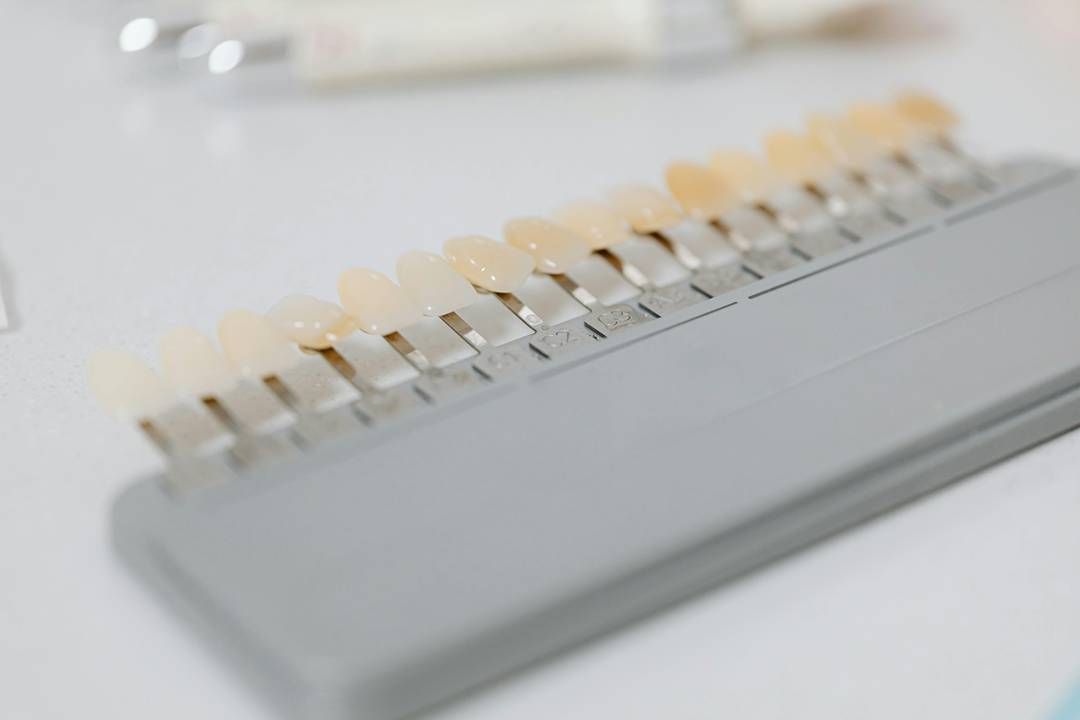
According to the American Dental Association's 2023 consumer survey, nearly 90% of dental patients express interest in teeth whitening — yet only 15% have discussed potential risks with their dentist before pursuing treatment. This disconnect has become more pronounced as social media drives demand for brighter smiles while over-the-counter whitening products flood the market with varying safety profiles and limited oversight.
The teeth whitening industry has transformed dramatically in recent years, with new formulations, delivery methods, and DIY trends emerging faster than safety research can keep pace. What once required professional supervision now includes everything from charcoal powders to LED light kits available at grocery stores. For consumers navigating this landscape, understanding which options align with their dental health needs — and which might cause harm — has become increasingly complex yet critically important.
The assumption that teeth whitening is universally safe stems from its widespread availability and cosmetic nature, but this perspective overlooks significant individual variations in dental health and treatment response. Tooth enamel thickness, existing dental work, gum health, and sensitivity levels create a unique risk profile for each person — factors that mass-market products cannot account for.
Chemical whitening agents work by penetrating tooth enamel to break down stain molecules, a process that inherently affects tooth structure. Hydrogen peroxide and carbamide peroxide, the active ingredients in most whitening treatments, can temporarily increase tooth porosity and alter the protective barrier that guards against sensitivity. For individuals with naturally thin enamel, existing micro-cracks, or compromised dental work, this process may lead to permanent sensitivity or even structural damage.
Recent trends toward higher-concentration at-home treatments have amplified these concerns. Products that previously required professional supervision now appear in retail settings with concentrations approaching clinical levels, yet without the customized application methods or monitoring that ensure safe use. Consider someone with undiagnosed gum recession who applies a high-concentration whitening strip — the exposed root surfaces lack enamel protection entirely, making them vulnerable to chemical burns and permanent sensitivity.
The stakes extend beyond discomfort. Improper whitening can lead to uneven results, increased cavity risk, and in severe cases, the need for restorative procedures that cost thousands of dollars. Understanding these variables before beginning any whitening regimen helps individuals make informed decisions about which approaches suit their specific dental landscape.
The science behind teeth whitening centers on oxidation reactions that break apart the molecular bonds holding stain compounds within tooth structure. Hydrogen peroxide and its slower-releasing counterpart, carbamide peroxide, generate free radicals that penetrate enamel and attack chromogenic molecules — the particles responsible for discoloration from coffee, wine, tobacco, and aging.
This chemical process doesn't simply coat the teeth or remove surface debris. Instead, it fundamentally alters the way light interacts with tooth structure by fragmenting larger, darker molecules into smaller, colorless ones. The reaction occurs within the microscopic tubules that run through enamel and dentin, which explains why whitening effects develop gradually and why the process can trigger sensitivity in some individuals.
Professional in-office treatments typically employ 15-35% hydrogen peroxide concentrations, often activated by heat or specialized light sources that accelerate the chemical reaction. This controlled environment allows dentists to protect sensitive areas with barriers and monitor the process in real-time, adjusting exposure based on individual response. The higher concentrations achieve dramatic results in single sessions but require careful application to prevent chemical burns or excessive sensitivity.
At-home methods operate through different mechanisms entirely. Custom-fitted trays from dental offices use lower concentrations (3-10% hydrogen peroxide or 10-22% carbamide peroxide) over extended periods, allowing for gradual whitening with reduced sensitivity risk. Over-the-counter strips and gels follow similar principles but rely on one-size-fits-all delivery systems that may not maintain consistent contact with all tooth surfaces.
The mechanical differences matter significantly for safety outcomes. Professional treatments provide precise control over chemical contact, protecting gums and soft tissues while ensuring even application. At-home options place this responsibility on users, who may lack the knowledge to identify problematic reactions or apply products correctly. When someone with cosmetic bonding uses an ill-fitting whitening tray, for instance, the uneven chemical exposure can create a patchwork of results and potential sensitivity issues that require professional intervention to resolve.
In-office whitening procedures offer the highest level of safety control through professional supervision and customized treatment protocols. Dental professionals conduct thorough examinations before treatment, identifying contraindications such as active decay, severe sensitivity, or extensive restorative work that could complicate the whitening process.
The controlled environment allows for immediate intervention if adverse reactions occur, and the protective measures — including gum barriers and carefully timed applications — minimize risk to surrounding tissues. Professional-grade concentrations achieve significant results in single visits, reducing the overall exposure time compared to extended at-home regimens. However, the intensity of professional treatments can trigger temporary sensitivity in up to 60% of patients, though this typically resolves within 24-48 hours.
At-home whitening spans a broad spectrum of safety profiles, from dentist-supervised custom trays to unregulated natural remedies. Dentist-prescribed take-home kits represent the middle ground — professional oversight combined with the convenience of home use. These systems use lower chemical concentrations but maintain the safety advantage of custom-fitted delivery systems and professional monitoring.
Over-the-counter products introduce significantly more variables. Whitening strips, while convenient, may not conform properly to individual tooth shapes, leading to uneven chemical exposure and potential gum irritation. Paint-on gels often lack sufficient contact time to be effective, prompting users to over-apply or use them more frequently than recommended.
The rise of "natural" whitening methods presents unique safety concerns. Charcoal-based products, despite their popularity, lack scientific evidence for whitening efficacy and may actually damage enamel through abrasive action. Similarly, DIY remedies involving lemon juice or baking soda can erode tooth structure while providing minimal aesthetic benefit. For those seeking professional guidance beyond basic whitening, options to enhance your smile with cosmetic dentistry can provide comprehensive approaches that address both safety and aesthetic goals.
Oil pulling and hydrogen peroxide rinses occupy a gray area — generally safer than abrasive methods but with limited whitening potential that may lead users to combine them with other treatments, increasing overall risk.
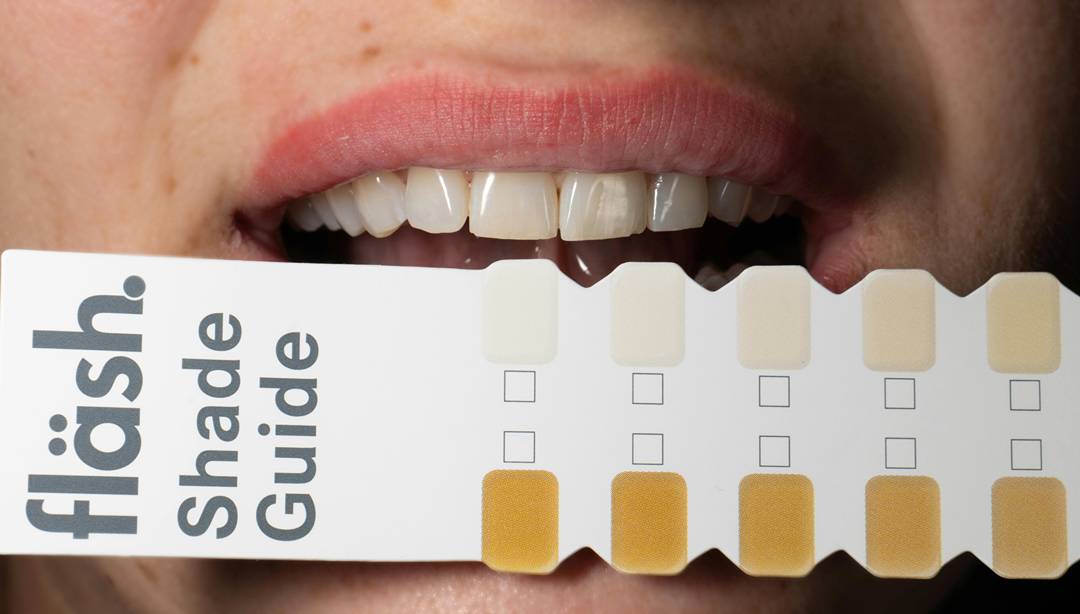
Tooth sensitivity remains the most common side effect of whitening treatments, affecting roughly 60-70% of users to varying degrees. This occurs when whitening agents penetrate enamel and irritate the nerve-rich dentin layer beneath. While often temporary, sensitivity can persist for weeks in individuals with naturally thin enamel or existing dental issues.
Gum irritation represents another significant risk, particularly with ill-fitting at-home products or user error in application. Chemical burns from high-concentration whitening agents can cause painful, lasting damage to soft tissues. More subtly, enamel micro-damage from overuse of whitening products may not manifest immediately but can contribute to long-term sensitivity and increased cavity risk.
One persistent myth suggests that professional whitening permanently weakens teeth. Research indicates that properly administered whitening treatments cause only temporary structural changes, with enamel remineralizing within days of treatment completion. However, this recovery process requires avoiding acidic foods and maintaining good oral hygiene — steps many people overlook.
Another dangerous misconception positions "natural" whitening methods as inherently safer than chemical treatments. Abrasive substances like activated charcoal or acidic remedies like lemon juice can cause irreversible enamel loss, while providing minimal whitening benefit. The absence of hydrogen peroxide doesn't guarantee safety — mechanical and chemical damage can occur through entirely different pathways.
Perhaps most importantly, many people assume that if a whitening product is available over-the-counter, it must be safe for everyone. This overlooks individual variations in dental health, medication interactions, and the cumulative effects of combining multiple whitening approaches. Understanding these realities helps individuals make informed decisions about which risks align with their aesthetic goals and overall oral health priorities.
The decision to whiten teeth ultimately depends on balancing aesthetic desires with individual health factors and risk tolerance. Rather than asking whether whitening is universally safe, the more relevant question becomes: which whitening approach aligns with your specific dental health profile and long-term oral care goals? The answer requires honest assessment of existing dental work, sensitivity patterns, and realistic expectations about both results and potential side effects.
Comments (0)