Transconjunctival Blepharoplasty in Turkey by Board-Certified Oculoplastic Surgeon Dr. Yildiz Acar Ebcim
6 months ago 484

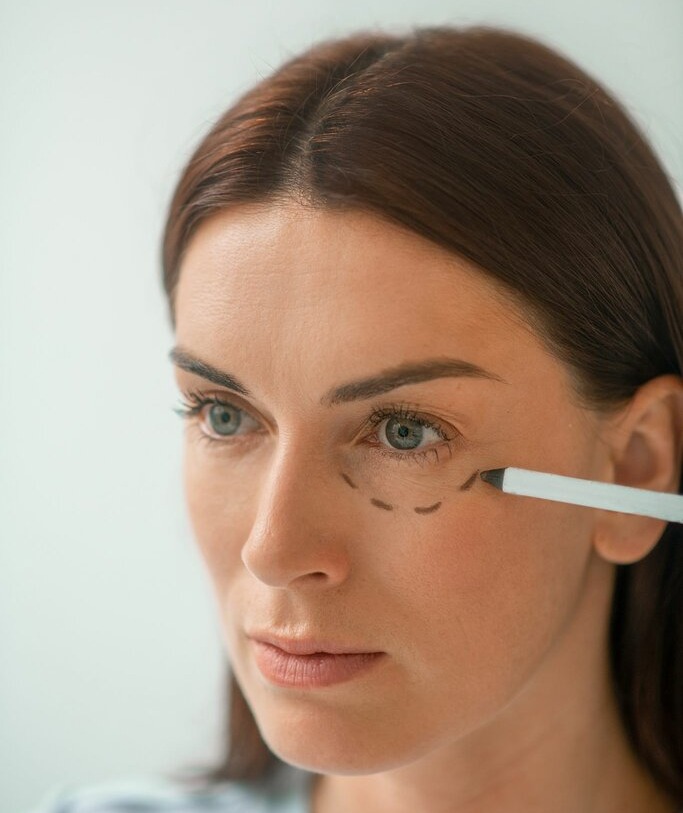
Under-eye puffiness is one of the most common concerns among patients seeking eyelid rejuvenation. In many cases, the issue is not only related to skin quality but also to the prominence of fat pockets under the eyes. While traditional lower eyelid surgery remains a well-known option, transconjunctival blepharoplasty has become increasingly popular because of its scarless approach and natural-looking results.
This technique is especially attractive for patients who want to address under-eye bags without leaving an external incision on the skin. For suitable candidates, it offers a refined and effective way to improve the lower eyelid area while preserving the natural shape of the eyes.
According to board-certified oculoplastic surgeon Dr. Yildiz Acar Ebcim, lower eyelid rejuvenation should always be planned individually, based on the patient’s anatomy, skin quality, fat distribution, and overall periorbital balance. To understand the procedure in more detail, patients can review this guide on https://www.yildizacarebcim.com/en/transconjunctival-blepharoplasty/ including how the technique works and who may benefit from it.
Transconjunctival blepharoplasty is a lower eyelid procedure performed through the inner side of the eyelid. Because the incision is made inside the eyelid, there is no visible external scar. The procedure mainly targets protruding fat pads that create a puffy or tired appearance beneath the eyes.
Unlike conventional lower blepharoplasty techniques that may require an incision through the skin, this method is often preferred in patients who have good skin tone and whose main concern is fat herniation rather than significant skin excess.
This makes it a valuable option for younger patients, as well as for adults who want a more conservative and natural correction of the under-eye area.
One of the biggest advantages of transconjunctival blepharoplasty is that it avoids a skin incision. This means there is no visible scar and the natural support structures of the lower eyelid are better preserved. For many patients, this is an important benefit both aesthetically and functionally.
Another reason for its popularity is the subtlety of the result. The goal is not to dramatically change the eye area, but to reduce puffiness and create a fresher, less tired look. When properly planned, the outcome can be elegant and natural.
Patients also appreciate that the recovery process is generally manageable. Swelling and bruising can still occur, as with any surgical procedure, but the technique is often considered less invasive in terms of external tissue disruption.
Modern lower eyelid surgery is not only about removing excess fat. In many patients, a youthful and natural result depends on preserving volume and improving the transition between the lower eyelid and the cheek.
For this reason, fat repositioning may be combined with transconjunctival blepharoplasty in selected patients. Instead of simply removing fat, the surgeon can reposition part of it to smooth the hollow area and create a softer contour. This can be especially helpful in patients with both puffiness and tear trough hollowing.
In some cases, fat grafting can also be added to further improve under-eye hollowness or support periorbital rejuvenation. Fat is usually harvested in a small amount from another area of the body, processed carefully, and then injected into areas where improved volume and contour are needed. When used appropriately, fat grafting can contribute to a smoother and more balanced result.
Another important point in lower eyelid rejuvenation is skin quality. Some patients have under-eye bags together with fine lines, crepey skin, or mild skin laxity. In such cases, surgery alone may not address the full concern.
That is why transconjunctival blepharoplasty may be combined with fractional laser treatment in selected patients. Fractional laser can help improve skin texture, support tightening, and contribute to overall rejuvenation of the lower eyelid area. This combined approach may be particularly beneficial when there is minimal external skin excess but visible skin aging is still present.
By addressing both fat protrusion and skin quality, the treatment plan can become more comprehensive and produce a more harmonious outcome.
Not every patient with lower eyelid concerns is an ideal candidate for transconjunctival blepharoplasty. The best candidates are usually those who have:
If there is significant excess skin, deeper hollowness, midface descent, or eyelid laxity, the procedure may need to be combined with other treatments for optimal results. In some cases, fat repositioning, fat grafting, laser resurfacing, or additional supportive procedures may be recommended.
For this reason, individualized consultation is essential. Eyelid anatomy varies from patient to patient, and the best surgical plan should always be based on a careful facial assessment rather than a one-size-fits-all approach.
When performed by an experienced surgeon on an appropriate candidate, transconjunctival blepharoplasty is generally considered a safe and reliable procedure. As with any surgery, however, there are potential risks. Temporary swelling, bruising, mild asymmetry, irritation, or dryness may occur during the recovery period. More serious complications are uncommon, especially when the surgery is carefully planned and performed with proper technique.
A successful result depends on several factors: correct patient selection, precise surgical execution, safe operating conditions, and good compliance with postoperative instructions.
Because the incision is hidden inside the eyelid, one of the main concerns patients often have, visible scarring, is not an issue with this approach. That is one of the reasons why it remains such a favored option in modern lower eyelid surgery.
Today, patients are increasingly looking for results that make them look rested rather than operated on. This is especially true in eyelid surgery, where even small changes can significantly affect facial expression.
Dr. Yildiz Acar Ebcim emphasizes that the goal of lower eyelid surgery should not be to flatten the area excessively or create a hollow appearance, but rather to restore a smoother, more youthful contour while maintaining natural expression.
Transconjunctival blepharoplasty fits well with this philosophy. Instead of aggressively removing tissue, the procedure focuses on improving the under-eye contour while respecting the natural anatomy of the face. In the right hands, this allows for rejuvenation without creating an overdone or artificial appearance.
For patients bothered by under-eye bags, transconjunctival blepharoplasty can be an excellent option. Its scarless approach, natural-looking outcomes, and targeted correction of lower eyelid fat make it one of the most appealing surgical techniques in eyelid aesthetics.https://www.yildizacarebcim.com/en/transconjunctival-blepharoplasty/
When needed, the procedure can also be combined with fat repositioning, fat grafting, and fractional laser treatment to address not only puffiness, but also hollowness, skin texture, and overall lower eyelid rejuvenation.
With proper evaluation and individualized planning by a board-certified oculoplastic surgeon such as Dr. Yildiz Acar Ebcim, patients can achieve a fresher, smoother, and more balanced under-eye appearance while preserving their natural facial identity.
Comments (0)