Why Is a CPAP Cleaning and Sanitizing Machine Essential for Respiratory Health and Safe Sleep Therapy?
4 months ago 312

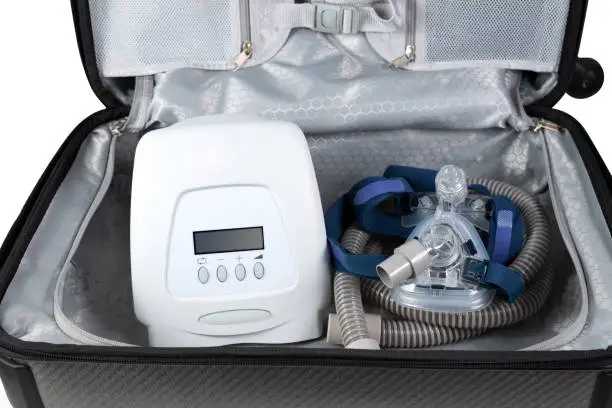
The Constant Positive Airway Pressure (CPAP) therapy is one of the pillars of the treatment of people with sleep apnea that allows for keeping the airways open and enhancing the quality of sleep. It is however, emphasized that CPAP therapy is only effective when used regularly and its equipment is well maintained. Seeing that the device introduces air to the respiratory system, it can be dangerous in case of any contamination. With time, moisture, heat, and airflow provide the surroundings within which microorganisms and molds can increase. This is why cleaning and sanitizing might be a critical issue of the therapy, so as to assure the safety and effectiveness over the long term.
Clinically, the hygiene of CPAP is important to safeguard respiratory health. Moisture can build up easily in the internal environment of the CPAP devices, especially the tubing and humidifier chamber, and this provides the perfect environment in which microbes can thrive. In the case of even state-of-the-art equipment, such as an ozone CPAP cleaner, wrong or uneven cleaning can leave behind dangerous pathogens.
Medical practitioners are well aware that an infected CPAP tool may be a contributing component to:
The symptoms may be worsened by repeated exposure to bacteria or mold due to CPAP airflow, particularly in those individuals who already have respiratory problems. A hygienic system, however, is not only about the care of devices; it is a very important aspect of infection prevention and patient safety.
In addition to clinical issues, the user experience is also a key determinant of CPAP therapy success. Discomfort is a significant problem facing many patients, as they cannot adhere to equipment over the long term since such discomfort is associated with the lack of equipment hygiene.
Impure CPAP parts may result in:
In actual life experiences, it has been observed that patients who have cleaner equipment experience greater comfort and minimal disturbances during sleep. This directly influences adherence, since they will tend to stick with therapy when the process is enjoyable and stress-free.
The CPAP treatment is mostly a long-term or lifelong process, and thus, preventive care becomes a critical factor. Poor cleaning may cause slow accumulation of contaminants over time and result in compromising the device and the respiratory health of the user.
In supporting preventive health, sanitizing machines:
Preventive hygiene is necessary so that CPAP therapy continues to give the best results without creating other health complications in the long run.
CPAP cleaning and sanitizing machines are important as they make the process of hygiene overall better and facilitate maintaining a regular procedure of upkeep. Although the authority of cleaning by hand is the basis, cleaning machines have added advantages that can hardly be attained by washing alone.
CPAP cleaning and sanitizing machines are not an entire solution as they have their pros and cons. Their limitations should be comprehended to be credible and correct in their use.
The medical protocols state that sanitizing machines are to be employed as an addition to the conventional cleaning technique rather than as a substitute.
In order to ensure maximum use of CPAP cleansing and sanitizing machines, a structured habitual that consists of manual cleaning and sanitization ought to be adhered to.
Step 1: Manual Cleaning
Clean the mask, the tubing, and the humidifier chamber with mild cleaning soap and heat water to be able to take away the bodily particles and residue.
Step 2: Rinse and Dry
Wash the whole thing and let it dry in the air. Drying has to be finished properly, a good way to keep away from infection by moisture.
Step 3: Sanitization
Periodically use a sanitizing device to limit the presence of microbes, specifically on surfaces that cannot be effortlessly wiped clean with human fingers.
Step 4: Regular Maintenance
Visually verify components and change worn-out parts like filters, tubing, and masks cushions as required.
Cleanliness is a basic component of effective CPAP therapy. Clean equipment will lower the risk of infection as well as enhance comfort, adherence, and effectiveness in the long run. Although manual cleaning is still necessary, modern tools can be introduced to improve the general cleaning habits.
With the help of regular habits and the judicious use of such equipment as a cpap sanitizer, a patient can build a stable system that will not only ensure proper health of the respiratory system but also the therapy of smooth sleep. Finally, sanitizing machines are to be considered as the aiding equipment, which enhances rather than replaces the cornerstone of the right CPAP care.
Comments (0)