Preventing Ankle Injuries: What Orthopedic Experts Recommend
4 months ago 199

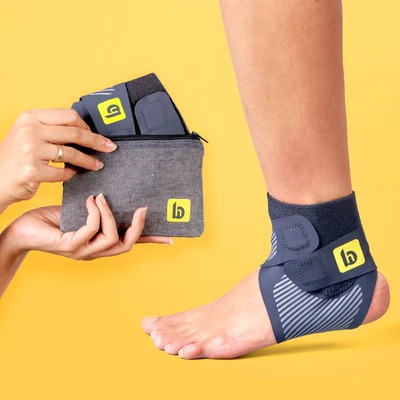
Ankle injuries are among the most common musculoskeletal issues, affecting athletes, fitness enthusiasts, and even individuals during daily activities. Most of these injuries involve damage to the ligaments, which are responsible for stabilizing the ankle joint.
Without proper care, even a minor sprain can lead to long-term instability or recurring injuries. Orthopedic experts emphasize early management, proper support, and structured rehabilitation to ensure complete recovery.
Ankle ligament injuries typically occur when the foot twists or rolls beyond its normal range of motion. This overstretches or tears the ligaments, leading to pain and instability.
These injuries can range from mild stretching to complete ligament tears, depending on the severity of the movement.
Understanding the causes can help in prevention.
Frequent causes include:
Athletes and individuals with a history of ankle injuries are at higher risk.
Recognizing early symptoms is crucial for effective treatment.
Common signs of an ankle injury:
Early diagnosis helps prevent the condition from worsening and speeds up recovery.
Orthopedic specialists often recommend supportive devices to protect the ankle during healing and daily movement.
One commonly used solution is an ankle support brace, which provides stability and limits excessive motion.
Benefits of using support devices:
Other supportive options may include compression wraps, taping techniques, and orthotic inserts, depending on the severity of the injury.
Recovery does not end with rest. Rehabilitation is essential to restore strength, flexibility, and stability.
Effective exercises include:
These exercises should be performed gradually and consistently to avoid re-injury.
Early symptoms include pain, swelling, bruising, and difficulty in moving or bearing weight on the affected ankle.
You should consult a doctor if there is severe pain, inability to walk, significant swelling, or if symptoms do not improve within a few days.
An ankle support brace stabilizes the joint, limits harmful movements, reduces strain on ligaments, and supports faster recovery.
Common devices include ankle braces, compression wraps, taping, and orthotic shoe inserts.
Exercises such as ankle rotations, resistance band workouts, heel raises, and balance training help restore strength and stability.
Comments (0)