Botox for Beginners: How to Prepare for Your First Session
4 months ago 252


Cosmetic treatments have become increasingly popular as more people look for non-surgical ways to maintain youthful and refreshed skin. Among these treatments, Botox stands out as one of the most widely recognized and trusted options. If you’re considering Botox for the first time, it’s normal to have questions about how it works and how to prepare for your appointment.
For beginners, understanding the process ahead of time can make the experience smoother and more comfortable. Proper preparation not only helps you feel confident about the procedure but can also improve your overall results. In this guide, we’ll walk through everything you need to know before your first Botox session, from understanding the treatment to practical preparation tips.
Botox is a cosmetic injectable that uses a purified form of botulinum toxin to temporarily relax specific facial muscles. By reducing muscle activity, Botox helps soften the appearance of dynamic wrinkles, those caused by repeated facial expressions, such as smiling, frowning, or squinting. Common treatment areas include:
When administered by a qualified professional, Botox treatments are generally quick and minimally invasive. The procedure usually takes about 10-20 minutes, making it convenient, even for people with busy schedules.
Results typically begin to appear within a few days, with full effects visible after about one to two weeks. The effects usually last three to four months, depending on factors such as metabolism, muscle activity, and treatment area.
Before receiving Botox injections, the most important step is to schedule a consultation with a qualified healthcare provider or aesthetic specialist. During this consultation, your practitioner will evaluate your facial structure, discuss your aesthetic goals, and determine whether Botox is appropriate for you. A good consultation should include:
This conversation is also an opportunity to ask questions and clarify any concerns. A reputable provider will prioritize safety and provide realistic expectations about what Botox can and can’t achieve.
In the days leading up to your Botox appointment, it’s often recommended to avoid medications or supplements that may increase the risk of bruising. Remember to always consult your healthcare provider before stopping any medication, and do your own research. Your practitioner will provide personalized guidance depending on your health history.
Another common recommendation is to avoid alcohol for at least 24 hours before your Botox session. Alcohol can increase blood flow and increase the chances of bruising at the injection site. Staying hydrated and maintaining a healthy routine before your appointment can also help your body respond better to the treatment.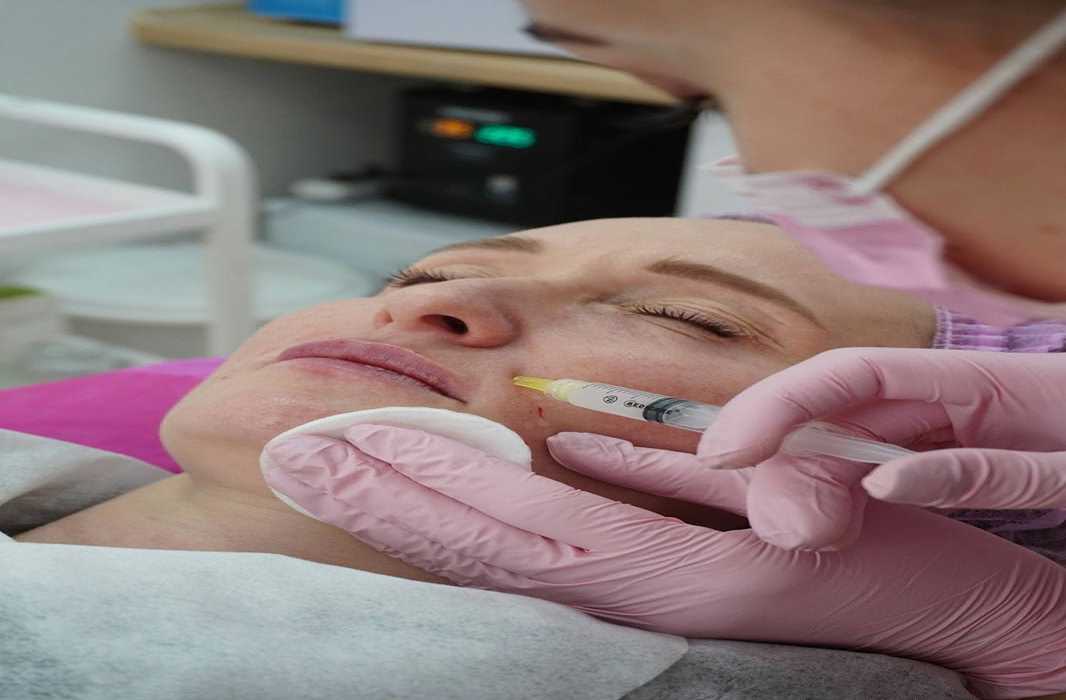
For first-time patients, choosing the right provider is one of the most important decisions. Botox injections should always be performed by trained professionals who understand facial anatomy and proper injection techniques. When researching providers, consider factors such as:
Additionally, modern patients are exploring online retailers of aesthetic medical supplies, such as 44botox. Regardless of the provider you choose, make sure to do your due diligence by researching carefully and reading patient reviews.
On the day of your appointment, preparation is vital. Arrive with a clean face, free of makeup, lotions, or skincare products. This helps reduce the risk of irritation and allows your provider to assess the treatment area clearly. During the procedure:
Most patients describe the sensation as a quick, pinching feeling. Because the needles used are very small, discomfort is minimal and short-lived. Once the injections are complete, you can usually return to most normal activities the same day.
Following your provider’s aftercare instructions is essential for achieving optimal results. While Botox requires minimal recovery time, certain precautions are recommended during the first 24 hours. Common aftercare tips include:
These precautions help ensure that the Botox remains in the intended muscle area and doesn’t migrate to the surrounding muscle tissues. Small bruises may appear occasionally, but typically fade within a few days.
First-time patients need to have realistic expectations about Botox. The goal of the treatment is not to completely eliminate facial movement, but to soften lines and create a smoother, more refreshed appearance.
Subtle changes are noticeable after the first few days of the treatment, which gradually become more visible over several days. If additional adjustments are needed, your provider may recommend a follow-up appointment. Remember that Botox results are temporary. Maintenance treatments every three to four months are typically recommended for individuals who wish to maintain their results over time.
While getting Botox for the first time can feel both exciting and a little intimidating, proper preparation can make the entire experience far more comfortable. By understanding how the treatment works, scheduling a professional consultation, and following recommended preparation guidelines, you can approach your first session with greater ease and confidence.
Comments (0)