Top Cancer Risk Factors You Should Know (And Which Ones You Can Control)
6 months ago 352

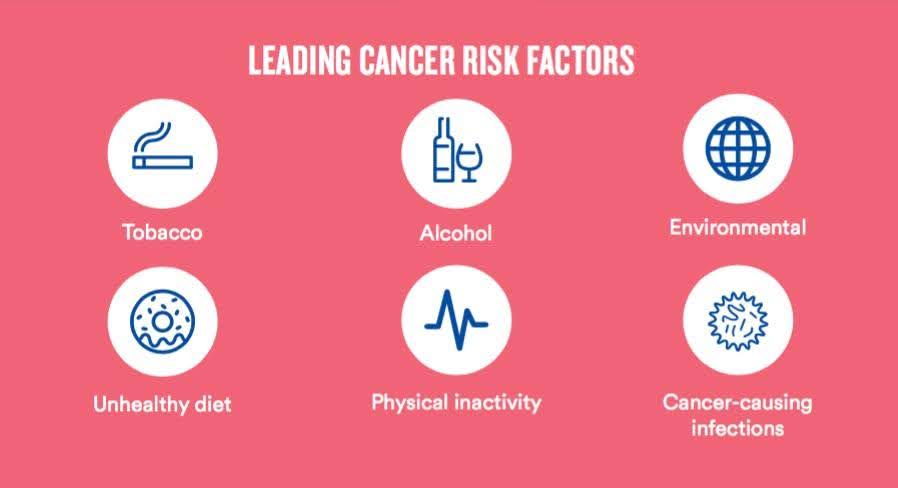
Cancer does not just appear out of nowhere. It takes time to develop in all cases. Our genes, the things we do every day, and the world around us all play a role in this. This might seem like a lot to think about. It is. But there is a thing about it: we can do something about it.
It is very helpful to know what things might increase your chance of getting cancer. This knowledge helps you make choices in your daily life, ask your doctor good questions, and take action when it really matters.
This guide will tell you about the things that can increase your risk of getting cancer that you can and cannot change, and how things, like genetic tests and cancer risk assessments, can help you understand your own risk of getting cancer.
Cancer risk factors are things that make you more likely to get cancer. There are a lot of them. Some things you cannot control, like how old you are, your family history. Other cancer risk factors have to do with how you live your life, where you live, and what you do every day.
Usually, cancer is not caused by one thing. It is often a combination of cancer risk factors that happen over time. Now, preventing cancer is about looking at the picture. It looks at your genes, your lifestyle, and finds cancer early in a way that makes sense.
Knowing about cancer risk factors is important. Cancer risk factors are crucial, and understanding them can help you make choices. Knowing about cancer risk factors can also help you have a conversation with your doctor about cancer risk factors.
Some things can increase your chance of getting cancer, and you cannot do anything about them. Just because you have these things does not mean you will get cancer. It means you need to be more careful and watch out for signs of cancer. You may need to start getting checked for cancer. You may need to talk to your doctor about your health.
As people get older, their chance of getting cancer goes up. Over time, the cells in our body can get damaged. Our body gets worse at fixing this damage.
That is why many people do not get cancer until they are over 50 years old. That is also why it is so important to get checked for cancer when you get older.
If people in your family have had cancer, you might be more likely to get cancer. Some people are born with changes that make them more likely to get certain kinds of cancer.
For example, some people have a problem with their BRCA genes. This can increase their chance of getting breast and ovarian cancer. Some people have something called Lynch syndrome. This can increase their chance of getting cancer.
It is an idea to know about your family history. In some cases, you can get a test to see if you have any genetic changes that might increase your chance of getting cancer.
Even if you do not have a family history of cancer, your genes can still affect your health.
Now, doctors can look at genetic markers at the same time. This helps them get an idea of your chance of getting cancer.
This means doctors can find problems even if they are not obvious.
Some cancers are more common in men. Some are more common in women. For example, prostate cancer usually affects men. Breast cancer is more common in women. Men can get it too.
Because of this, doctors often have recommendations for men and women when it comes to checking for cancer.
Some groups of people are more likely to get cancer. This is because of a combination of environmental factors.
Even though you cannot change this, it can help you and your doctor make a plan to prevent cancer and to check for cancer at the same time.
The choices you make every day are really important.
Many big cancer risk factors are connected to the way you live your life. The good thing is that even small changes that you make every day can make a difference over time.
Smoking is still one of the reasons people get cancer all around the world. It can cause lung cancer, throat cancer, bladder cancer, and pancreatic cancer, among others.
Even breathing in secondhand smoke can increase your risk of getting cancer.
The good part is that quitting smoking helps no matter when you do it. After some time, your body starts to heal itself, and your risk of getting cancer goes down slowly.
The food you eat plays a role in stopping cancer.
Eating a lot of processed foods, red meat, and sugary foods can increase your risk of getting cancer. On the other hand, eating more fruits, vegetables, whole grains, and lean proteins is good for your overall health and may lower your risk of getting cancer.
You do not need to eat a diet. Just making changes every day is what matters.
Not moving your body enough is connected to a risk of getting some cancers, like colon cancer and breast cancer.
Doing activity every day helps you stay at a healthy weight, keeps your hormones balanced, and supports your immune system.
Even something simple like walking every day can be very good for you.
Being overweight increases your risk of getting some cancers, like breast cancer, colon cancer, and kidney cancer.
Staying at a healthy weight is one of the best ways to reduce your risk of getting cancer in the long run.
Drinking alcohol is connected to some cancers like liver cancer, breast cancer, and esophageal cancer.
Your risk of getting cancer goes up with the amount of alcohol you drink. Cutting back on drinking a little bit can make a difference after some time.
Being in the sun can increase your risk of getting skin cancer.
Simple things like wearing sunscreen, protective clothes, and staying out of the sun when it is strongest can help reduce this risk.
Some things in the environment, like pollution, asbestos, and chemicals, can increase your risk of getting cancer.
While you cannot always avoid these things, knowing about them helps you take precautions and reduce your contact with them when you can.
When we do everything right and take care of ourselves, we still cannot completely get rid of the risk of getting cancer. This is where Early Detection comes in, and it is very important.
Early Detection of cancer is crucial because when doctors find cancer early, the treatment is usually better, and it does not have to be as serious.
The treatment for Early Detection of cancer is often easier to handle and less painful.
That is why people need to get check-ups and screenings for cancer. Early Detection is a big part of taking care of our health and staying healthy.
Preventive care often includes check-ups that help find cancer early. These check-ups can even find changes in the body before cancer starts to develop.
Routine screenings are a part of preventive care. They help doctors find cancer before symptoms appear.
This can help treat cancer easily.
These may include:
Staying up to date with these screenings is really important. It is one of the ways to help doctors find health problems early on. This is because medical screenings can help doctors figure out if you have a health problem like a disease before you even know you have it. Staying up to date with these screenings is a good idea.
A one-size-fits-all approach does not work for every person.
A cancer risk assessment that is personalized cancer risk assessment looks at the genetics of the cancer risk assessment, the family history of the cancer risk assessment, the lifestyle of the cancer risk assessment, and the medical background of the cancer risk assessment to give an accurate picture of the individual risk of the cancer risk assessment.
It can also help determine:
Healthcare is getting more personal and genetics is a part of that change.
Genetic testing and genomic screening help us understand our bodies better and how they react to risks.
These tools can do things for us.
They can:
It is important to remember that genetics gives us clues, not definite answers. Genetics provides us with guidance, not certainty. That is something we need to keep in mind when we think about genetics and our health.
To really lower your risk of getting cancer, you need to do a lot of things, not one thing.
You have to have habits, get checked by a doctor regularly, know your family history of cancer, and get genetic tests if you need them.
All these things together can really help you find cancer early and stop it from becoming a problem later on.
When cancer is found early, it is usually easier to treat.
Outcomes are generally better with the detection of cancer, the treatment of cancer may be less complicated, and the overall effect of cancer on daily life is often smaller.
Cancer that is detected early also gives you time and a clearer understanding to look at your options for cancer treatment and make smart decisions about cancer.
Understanding the risk of something is only important if it makes you do something about it.
Start with the basics.
For example, you should find out about the health problems that have affected your family in the past.
Many people only think about cancer when they get a diagnosis. Taking charge changes that.
Being informed is not about expecting news; it's about knowing your choices and making smart decisions over time.
With developments in genomics and better access to tools that assess risk, it's now easier to understand your health in a deeper way.
Cancer is an issue, and your risk of getting it is usually linked to many factors, not just one.. Knowing what you can control and what you can't help, you feel more confident about what to do next.
To lower your risk, you can focus on preventing cancer, keep up with screenings, and get genetic testing if your doctor suggests it. These steps can all help.
You don't have to be 100% sure about what to do. What's important is having information to make good choices and support your health in the long run when it comes to cancer and your overall well-being.
Comments (0)