Osteoporosis: Understanding Bone Loss and the Role of Exercise in Long-Term Management
6 months ago 356


When I speak with people across London about bone health, the same question always appears: what exactly happens to our bones as we age?
Osteoporosis is a condition in which bone breakdown by osteoclast cells exceeds the bone-building activity of osteoblasts, leading to reduced bone density, weaker skeletal structure, and an increased risk of fractures in the hip, spine, and other bones.
Doctors measure this using bone mineral density, essentially the mineral content that keeps bones solid and resistant to fractures. When density drops, bones become porous and fragile.
The T-score shows how your bone density compares with the strongest level normally expected for your sex, giving a benchmark of ideal bone strength.
The Z-score compares your bone density with the average for people of the same age, sex, and background, helping doctors see how your bones measure up against peers.
Bone Mineral Content (BMC), measured in grams, indicates the amount of mineral material within each vertebra and reflects the overall strength and density of the bone structure.
According to the UK’s NHS notes, osteoporosis often develops silently for years before symptoms appear. Many people discover it only after a fracture from what seems like a minor fall.
Because its symptoms develop gradually, and because pain is a common feature in many musculoskeletal conditions, osteoporosis is often mistaken for other disorders, particularly osteoarthritis.
Understanding how osteoporosis differs from osteoarthritis is therefore crucial: these conditions arise from different causes, affect the body in fundamentally different ways, and demand entirely distinct approaches to exercise and management.
Several factors drive bone density loss:
Did you know that globally, the International Osteoporosis Foundation estimates that one in three women and one in five men over the age of 50 will experience osteoporotic fractures in their lifetime? (IOF, 2023)
In London specifically, ageing demographics mean the issue is increasingly visible. Data from NHS England shows thousands of fragility fractures are recorded annually across Greater London hospitals, many linked directly to osteoporosis-related bone weakening (NHS England, 2022).
The encouraging news?
Bone tissue is living tissue.
It responds to mechanical stress and movement.
However, osteoporosis bone health training is not a straightforward process, as your DEXA scan, T-score, bone mineral content (BMC), physical abilities, and associated conditions and risk factors can all dramatically increase the likelihood of bone fractures; therefore, all risks must be carefully mediated, and caution is essential. 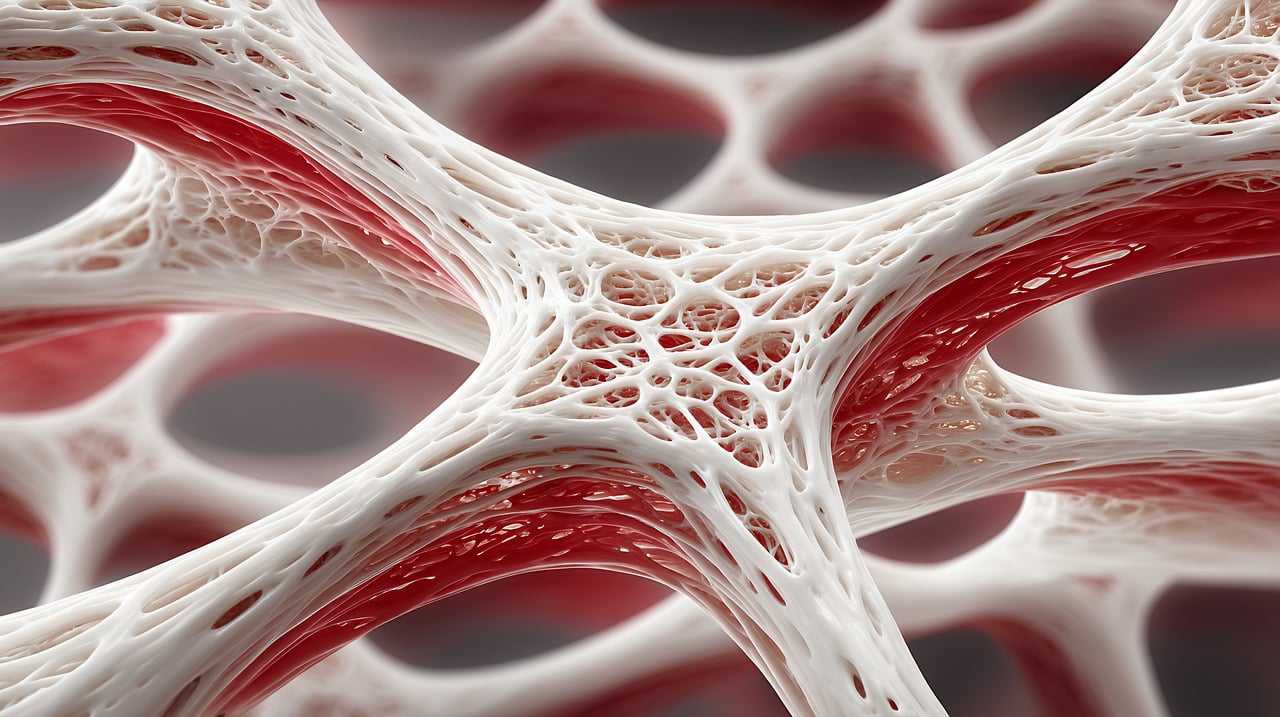
For these safety-related reasons and more, clinicians recommend seeking correct guidance from an osteoporosis exercise specialist, as assessment-based, individualised physical activity is a central pillar of osteoporosis management and training.
In fact, people often begin exploring this with guidance from an osteoporosis exercise specialist, particularly when building a structured osteoporosis exercise programme designed to support fracture prevention exercises and improve long-term bone resilience.
If bone is living tissue, then movement becomes one of the most powerful signals we can send it.
Research published in highly respected journals such as the Journal of Bone and Mineral Research (e.g., Etherington et al., 1996), Osteoporosis International (e.g., Schumm et al., 2023), The Lancet Diabetes & Endocrinology (e.g., Cauley, 2020), and the British Journal of Sports Medicine (e.g., Larsen et al., 2018) shows that targeted exercise can stimulate bone remodelling and support skeletal health.
Who Is Most at Risk of Osteoporosis
Although osteopenia and osteoporosis can affect anyone, certain groups experience a much higher risk.
By the age of 50, bone density begins to decline steadily. According to Mayo Clinic, bone mass peaks in early adulthood and gradually reduces afterwards, particularly if lifestyle factors are not supportive of skeletal health.
Large population studies consistently show that osteoporosis is substantially more common in women than in men during midlife, with prevalence rates approximately three to five times higher in women (Cauley, 2013).
This difference becomes particularly evident after menopause: around the mid-50s, approximately 9–12% of women already meet the diagnostic criteria for osteoporosis (Sokhi et al., 2024).
By comparison, osteoporosis remains considerably less common in men within the same age bracket, with an estimated prevalence of about 3.3% among men aged 50–64 years (CDC, 2021).
Research from Oxford University suggests that reduced physical loading on bones, essentially prolonged inactivity, can accelerate skeletal weakening over time (Compston et al., 2019).
Across London boroughs with ageing populations, clinicians increasingly emphasise early screening. Bone density scans (DEXA scans) help identify early changes long before fractures occur.
The earlier the risk is identified, the more effectively exercise and lifestyle adjustments can support osteoporosis management.
Understanding risk is empowering. Next, let’s look at why exercise sits at the centre of modern osteoporosis strategies.
Why Exercise Plays a Key Role in Managing Osteoporosis
One of the most fascinating facts about bone biology is that bone adapts to load. When muscles pull against bone during movement, they stimulate the cells responsible for bone formation.
This concept is known as mechanical loading.
Research published in the British Journal of Sports Medicine shows that targeted strength and impact exercise can increase bone density in postmenopausal women when performed consistently (Watson et al., 2018).
Similarly, the World Health Organisation recommends regular physical activity for adults over 50 to maintain musculoskeletal health and reduce fracture risk.
Each case of osteoporosis presents differently, making individualised programming essential.
As an introduction, however, a well-designed, assessment-based osteoporosis exercise programme typically focuses on four key components (although it is not limited to these):
Together, these elements form the basis of effective fracture prevention exercises.
Across London rehabilitation settings, customised exercise is increasingly recognised as a practical and empowering tool rather than simply a fitness activity.
When exercise is structured correctly, it becomes a form of skeletal education.
Comparing Exercise Approaches for Bone Health
When I speak with people about bone health across London, one idea becomes very clear: bones respond best to different types of movement working together. No single exercise method provides all the benefits needed for long-term skeletal strength.
One of the most researched approaches is resistance training for osteoporosis. Strength exercises place controlled tension on muscles and the bones they attach to, stimulating bone-forming cells known as osteoblasts.
Research published in the Journal of Bone and Mineral Research shows that progressive strength training can help maintain or improve bone mineral density while also strengthening surrounding muscles that stabilise joints (Pruitt, Taaffe & Marcus, 1995).
Weight-bearing activities such as walking, climbing stairs, or gentle step work also play an important role. These movements create healthy mechanical stress through the hips and spine; however, these activities are not enough to rebuild strong bones.
According to Mayo Clinic, regular weight-bearing activity encourages the body to maintain bone tissue while also improving mobility and overall musculoskeletal stability.
Balance training is another key element that often gets overlooked.
Many osteoporotic fractures occur after falls rather than purely from weakened bones.
Exercises that improve coordination, stability, and proprioception - the body’s awareness of its position in space - can significantly reduce the risk of falls, thereby lowering the risk of death associated with hip fractures and vertebral fractures of the spine.
Resistance Training
Customised strength training remains one of the most powerful strategies for improving bone mineral density. Research in the Journal of Bone and Mineral Research shows that progressive loading can stimulate osteoblast activity, the cells responsible for building new bone (Turner & Robling, 2003).
This is why laser-sharp customised resistance training for osteoporosis often forms the foundation of structured programmes.
Weight-Bearing Activities
Walking, climbing stairs, and controlled impact movement create vertical loading through the skeleton. These forms of weight-bearing exercise for bone health stimulate bone remodelling, particularly in the hips and spine.
Balance and Stability Training
Medical research shows that falls account for the majority of osteoporotic fractures. Balance training strengthens stabilising muscles and improves neuromuscular coordination.
Pilates and Controlled Movement
Controlled movement systems such as Pilates for osteoporosis increase body coordination and support posture, spinal alignment, and core stability. According to Mayo Clinic, improving postural muscle strength may help reduce the risk of vertebral compression.
Finally, carefully customised movement practices such as Pilates for osteoporosis improve spinal vertebral control, neutral spinal alignment, and deep muscle activation, which are important for strengthening the spine and hips.
Although research clearly shows how Pilates can help, many readers naturally still wonder: Is Pilates good for osteoporosis?
When adapted correctly, Pilates strengthens the core and hip muscles, as well as the stabilising muscles around the spine, while encouraging safe, controlled movement patterns that help protect fragile spine vertebrae.
In reality, the most effective approach is not to choose a single method but to combine strength, balance, agility, and controlled movement, supporting high-quality movement and long-term bone resilience.
The key idea here is exercise customisation: different movement styles influence bone in different ways - this is why comprehensive assessments are crucial.
Exercise Safety Considerations for People With Osteoporosis
While exercise offers powerful benefits, certain movements require caution for people with fragile bones.
One of the most important principles is avoiding excessive spinal flexion. Deep forward bending can increase pressure on weakened vertebrae, potentially increasing fracture risk.
The NICE guidelines emphasise that exercise programmes for osteoporosis should be progressive and carefully structured to protect the spine while strengthening surrounding musculature (NICE, 2021).
Many people benefit from working with specialists experienced in weight-bearing exercise for bone health, who understand how to build strength without placing unnecessary strain on fragile bones.
Across London rehabilitation centres, personalised osteoporosis exercise programmes are beginning to be implemented by a limited number of professionals.
Safety does not mean avoiding movement. It means learning how to move intelligently.
When to Seek Medical Advice
Although exercise supports bone strength, certain situations require medical evaluation first.
You should seek advice if you experience:
Healthcare professionals such as endocrinologists, physiotherapists, and osteoporosis specialists can help evaluate bone density and assess fracture risk.
Organisations like Cambridge University Hospitals and the NHS emphasise the importance of early assessment and multidisciplinary management when bone density declines significantly.
Early evaluation allows for personalised osteoporosis management strategies that combine clinical guidance, nutrition, and movement-based approaches.
Expert Perspective: Exercise, Spine Stability, and Bone Adaptation
To gain a deeper understanding, we spoke exclusively with one of the UK’s foremost experts in osteoporosis rehabilitation, whose extensive specialisation in osteoporosis exercise provides unique and practical insights into managing this condition safely and effectively.
“I always share with my clients that bone is not a static tissue; it constantly remodels in response to mechanical loading. However, before reaching this stage, you must first rebuild your core and the connective tissues around your joints in a customised manner to eliminate the risk of bone fracture – in other words, I prepare my clients to support load safely, and safe is the keyword here. When the muscles surrounding the shoulders, arms, spine, hips, and knees generate controlled tension, they stimulate osteoblast activity and encourage bone adaptation, and I guide you to achieve this safely,” said Jazz Alessi, founder of Personal Training Master, head of the Osteoporosis Rehabilitation Department, and creator of The Spine Method.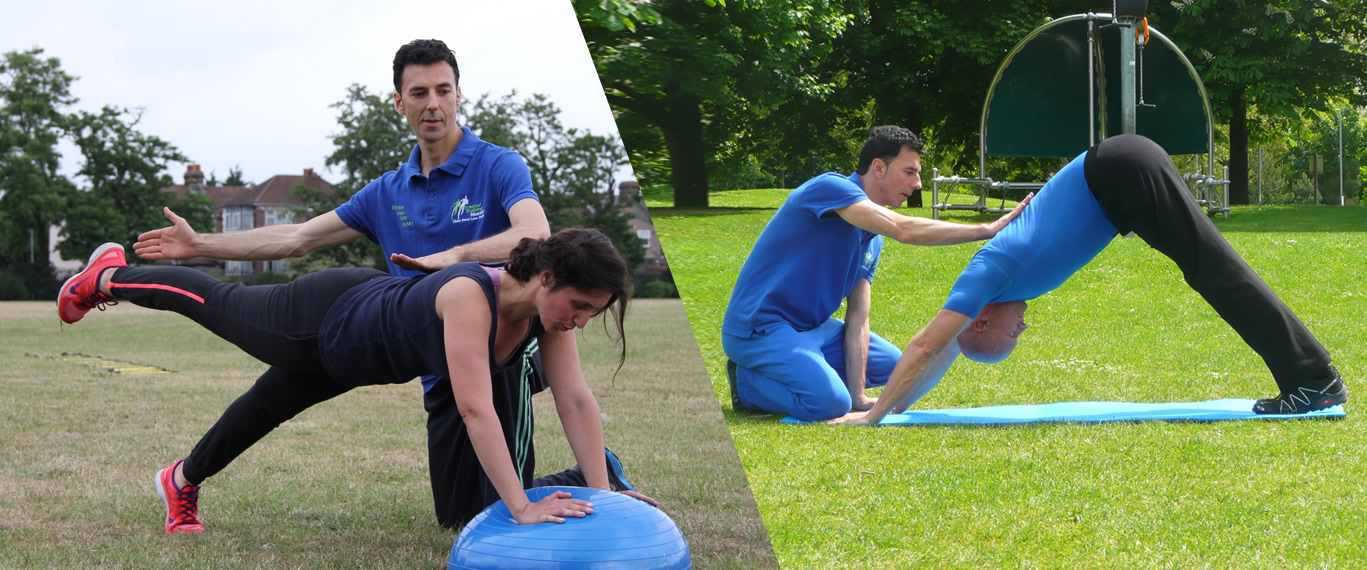
“Another critical factor is neuromuscular and balance coordination. Many fractures occur not because the bone suddenly fails, but because balance and movement control deteriorate with age - or simply because you haven’t trained in a specific way to eliminate this risk. When I integrate customised strength training, posture correction, and stability work, I see improvements not only in muscular strength but also in functional confidence and DEXA scores. Clients begin moving safely and naturally again, which allows the skeleton to experience healthy mechanical stimulus repeatedly,” Jazz Alessi continues.
Rebuilding Strength and Confidence in Osteoporosis: A Three-Month Transformation Case Study
By focusing on customised preparation of muscles and joints, appropriate strength building, elimination of compensatory movements, and posture corrections, along with restoring balanced body load and movement efficiency, osteoporosis rehabilitation can produce remarkable functional improvements.
When applied safely, these strategies can transform lives without increasing the risk of bone fractures.
“My strength improved by 200%, and I became more toned and physically capable. My energy levels increased by at least 70%, and I felt more positive and motivated. My neck pain almost disappeared entirely. My lower back pain started to ease, and I experienced pain-free days more often. My outlook on life became more hopeful, with reduced symptoms of depression and anxiety. I not only found relief from chronic pain but also regained control of my life.”
Five Scientific Tips for Supporting Bone Health Through Exercise
Here are five practical insights Jazz frequently shares when discussing bone resilience and long-term skeletal health.
Train Bones Through Controlled Loading
Bones strengthen when muscles pull against them. Gradual resistance training stimulates osteoblast activity, encouraging new bone formation. Start with manageable loads and progress slowly.
Prioritise Posture and Spinal Alignment
Poor posture increases stress on the vertebrae of the neck, thoracic, and lumbar spine, as well as on the hips and knees, potentially contributing to pain, dysfunction, and a higher risk of injury over time. Strengthening the upper back and core improves spinal support and distributes forces more evenly through the skeleton.
Combine Strength With Balance Training
Falls remain a leading cause of osteoporotic fractures. Integrating balance work alongside strength training improves neuromuscular control and reduces fall risk.
Include Weight-Bearing Activities Regularly
Walking, stair climbing, and light impact activities provide consistent mechanical signals that encourage bone remodelling.
Progress Gradually and Consistently
Bone adapts slowly. Consistency matters far more than intensity. Long-term adherence to structured exercise produces the most meaningful skeletal improvements.
Osteoporosis is common, particularly among ageing populations in London.
However, the condition does not inevitably lead to declining mobility or a loss of independence.
Bone tissue responds to lifestyle choices. Nutrition, movement, and structured exercise all influence skeletal strength.
Evidence from organisations such as the NHS, Oxford and Harvard University, Mayo Clinic, and other leading universities consistently highlights exercise as one of the most powerful tools available for maintaining bone health.
A well-designed programme does more than build strength. It improves posture, balance, agility, and confidence in everyday movement.
In the long run, prevention often matters far more than performance.
And when it comes to osteoporosis, sometimes the most meaningful investment we can make is simply learning how to reduce the risk of bone fractures and how to move safely and exceptionally well for life.
Achieving this goal goes beyond osteoporosis training alone - it also involves transforming your physical abilities and restoring the agility and vitality of your more youthful years.
Comments (0)