Hair Restoration Technology in 2026: Devices, Results, and What Buyers Should Know
4 months ago 250

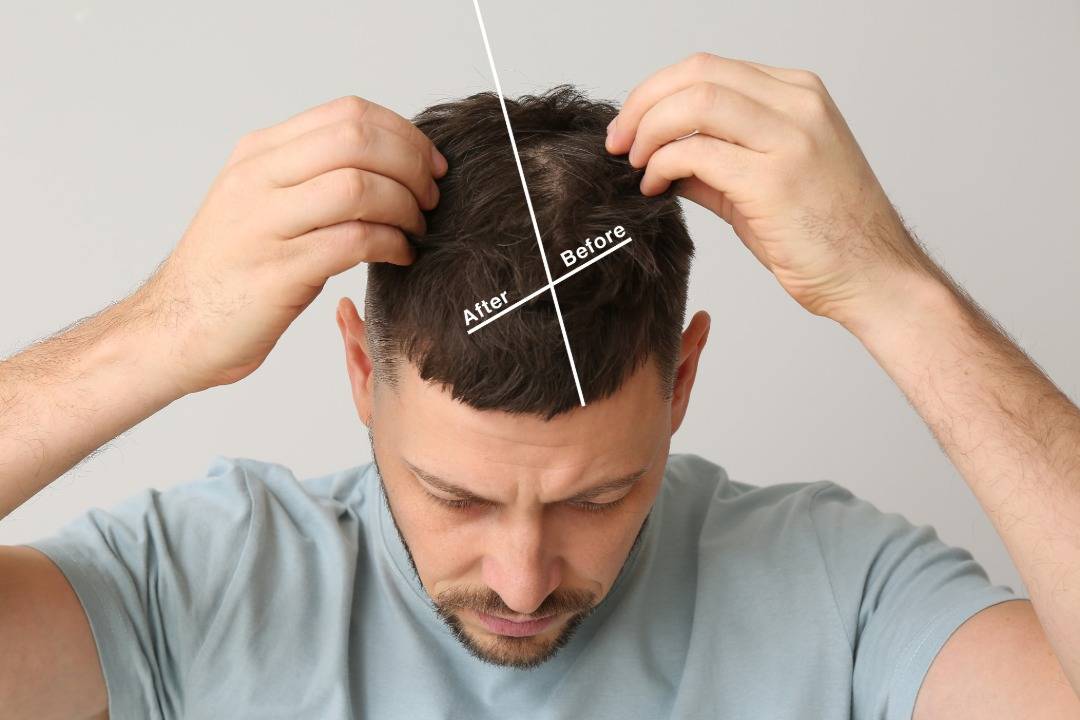
Traditionally, hair loss treatments used to be categorized into three primary categories: medications, topical products, and surgical procedures such as hair transplants.
This classification still exists, but along with it, a new hair restoration technology has emerged: device-based therapies using low-level laser therapy (LLLT). It is non-invasive, drug-free, and supports other hair regrowth treatments.
If you’re curious, this guide will walk you through the common types of devices, expected results, and things buyers should know.
In 2026, the following three hair restoration devices are the most trending.
Laser helmets and caps have been the most effective and advanced at-home use hair restoration tools. These devices use a range of LEDs and laser diodes to deliver red light therapy across the scalp.
For those considering purchasing one, deals and discounts occasionally appear online. For example, buyers looking for a reliable laser device for hair restoration can get additional discounts using the iRestore coupon code, as highlighted by Cybernews.
The medical-grade laser and LED hair products by iRestore have hundreds of lasers and LEDs to stimulate hair follicles.
The session lasts 12-25 minutes, depending on the exact model and your hair restoration concerns. The design is hands-free, letting users relax while their scalp gets treated. For this reason, experts prefer laser helmets and caps the most.
The next popular hair restoration device type is handheld devices like laser bands and combs. These devices don’t cover the entire scalp. Instead, you have to brush it throughout the scalp, moving it across the different affected areas during the treatment sessions.
Unlike caps and helmets, you will have to reposition the device several times to cover the entire scalp. The treatment sessions may be shorter in laser bands and combs.
Another interesting device that is gaining popularity in the hair restoration field is the combination of light therapy and microcurrent stimulation, also known as vibration therapy.
The device enhances blood flow to the treated zone, enhancing nutrient delivery to hair follicles.
The most common results hair restoration devices offer are listed below.
Most hair restoration devices, when used consistently over months, show gradual results. In around 3-6 months of treatments. During this phase, hair grows in cycles. The device stimulates follicles, and then follicles transition to the active growth phase. Eventually, you notice visible improvements.
Another way these hair restoration devices work is by reducing hair shedding. Shedding minimizes some time before new hair growth becomes obvious. Usually, the reduced hair shedding is the first indicator of the treatment working favourably and is stimulating follicle activity.
Over time, if you use the hair restoration devices consistently, you will notice enhanced hair density. This indicates thicker and fuller hair anywhere that has experienced thinning. But this is possible only if the follicles are still receptive. If a certain patch has been bald for a while, this is not an option anymore.
When picking a hair restoration device, buyers must be aware of certain things as follows:
Devices with FDA regulatory clearance have already been approved for specific safety standards and efficacy in promoting hair growth. However, clearance doesn’t promise results for all users.
How well and evenly your scalp receives the light therapy depends on the number of laser diodes and LEDs. Broad coverage designs need minimal repositioning during treatment.
The length of the session varies with the exact device. Some need up to 5 minutes while others need up to 30 minutes. The frequency of the session can be once a day or multiple days a week. Choose a device that fits your routine. You can consult your doctor for the right one.
Hair restoration devices don’t work universally. Efficacy varies with the hair loss type. They work best for:
Note: Hair loss due to medical conditions, autoimmune disorders, or chemotherapy may not respond to hair restoration devices. You’ll need other treatments guided by a medical professional.
Hair restoration technology has been proven to greatly benefit users, as they don’t need to visit clinics to get treatments anymore. They can pamper their scalp and improve hair health from the comfort of their home. If you’re also struggling with hair regrowth in 2026, perhaps it’s time to consider one of these options.
Comments (0)