How to Find the Best Family Doctor in Sterling Heights?
4 months ago 207


When illness strikes, confusion and stress often follow. In those moments, the first person most of us think about calling is our doctor. A family doctor is more than just someone who writes prescriptions; they are your first point of contact, your guide through uncertainty, and your long-term health partner. Whether it’s a sudden fever, ongoing fatigue, or managing diabetes, a trusted family doctor in Sterling Heights that residents can rely on makes all the difference.
Sterling Heights, Michigan, is home to over 150,000 residents, making it one of the largest cities in Macomb County. Along with a growing population comes increasing pressure on healthcare systems. Like many communities across Michigan, Sterling Heights faces challenges such as physician shortages, overworked primary care providers, and longer appointment wait times. That’s why finding the right medical facility and the right doctor within it is essential. Also, these challenges make people skip on primary care, which makes a big difference in improving the overall community health.
A dependable family physician doesn’t just treat illness; they prevent it. They are often your first instinct when searching for solutions to long-term wellness or even typing chronic disease prevention near me into a search bar. This blog will help you understand what a family doctor truly does, why you need one, and what to look for when choosing the right provider for you and your family.
A family doctor, also known as a family physician, is a primary care specialist who provides comprehensive healthcare for individuals of all ages. Unlike specialists who focus on one organ system or specific condition, family doctors treat the whole person.
They manage everything from acute illnesses like infections and flu to chronic conditions such as hypertension and diabetes. Family physicians are trained in multiple areas of medicine, including pediatrics, internal medicine, geriatrics, and sometimes minor procedures, making them uniquely equipped to care for entire families.
One of their defining strengths is lifespan coverage. A family doctor may treat a child’s ear infection, guide a teenager through sports physicals, help adults manage stress and blood pressure, and support seniors with preventive screenings. Many families stay with the same physician for decades, building trust and continuity.
Family doctors also emphasize prevention. Through annual physicals, vaccinations, screenings, and lifestyle counseling, they help patients avoid serious health complications. They are an important part of building a healthy community.
When specialized care is needed, they also coordinate referrals and ensure communication between providers remains clear and consistent. In many ways, a family physician becomes the central hub of your medical history, understanding your background, habits, family risks, and long-term goals.
Having a family doctor is not just convenient, it’s essential for long-term health. Instead of reacting to illness only when symptoms become severe, a family physician helps you stay ahead of potential issues.
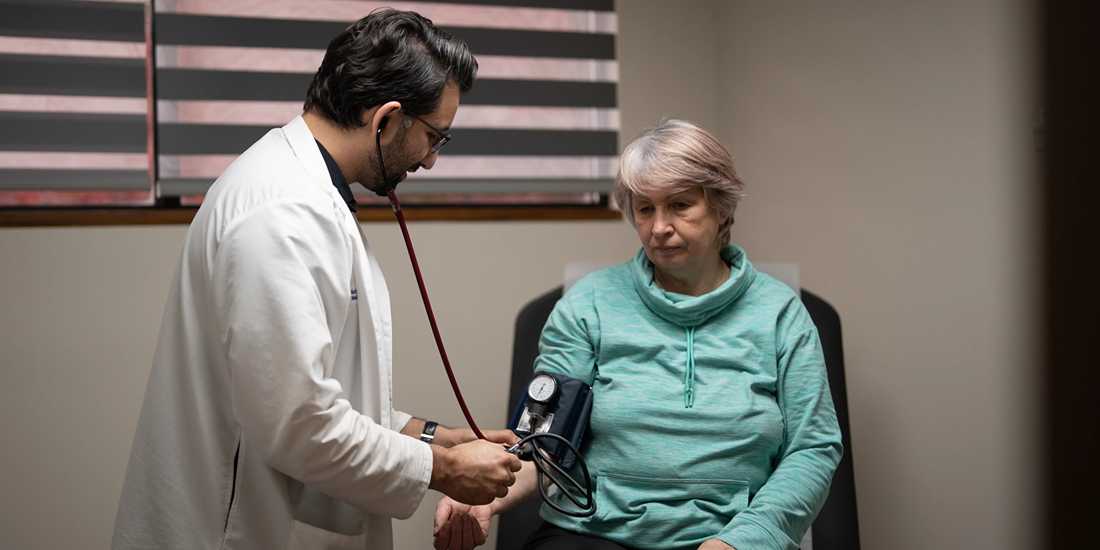
Because they understand your medical history, family background, and lifestyle, family doctors can offer more accurate diagnoses and personalized treatment plans. Over time, this familiarity improves outcomes and strengthens preventive care.
Regular check-ups help detect conditions like high cholesterol, diabetes, and certain cancers early, when treatment is most effective. Preventive visits reduce complications and protect long-term wellness.
Millions of Americans live with chronic conditions that require consistent monitoring. A family physician ensures medications are adjusted properly, lab work is reviewed, and symptoms are managed before hospitalization becomes necessary.
Emergency room visits are expensive and often avoidable. With a reliable primary care provider, many non-emergency issues can be treated promptly, saving both time and money.
If you need a cardiologist, endocrinologist, or imaging specialist, your family doctor coordinates referrals and keeps records unified. This prevents duplication of tests and ensures smoother communication.
In an age where online health advice can be overwhelming or misleading, a family doctor provides reliable, evidence-based guidance specific to you. For most non-emergency concerns, your family doctor should be your first call, not an urgent care center or emergency department. This way you aren’t greeted with unnecessary wait times and big hospital bills.
Choosing a doctor is a personal decision. You’re not just selecting someone to treat a cold, you’re choosing a long-term healthcare partner. Most patients choose a doctor based on what feels right to them, while that is a good consideration in case of a family doctor, here are the medically-appropriate key factors to consider.
Start with board certification in family medicine or general practice. Board certification indicates that the physician has completed proper training and passed examinations. If you or a family member has specific needs, such as pediatric care or chronic disease management, confirm the physician has experience in those areas.
A good doctor listens more than they speak. They should explain diagnoses clearly, answer questions patiently, and involve you in decision-making. Feeling heard and respected is essential for a strong doctor-patient relationship.
Consider the clinic’s location and operating hours. Are evening or weekend appointments available? How long does it take to secure an appointment? Do they offer telehealth services? Accessibility plays a major role in ongoing care.
Family doctors practicing within reputable medical centers often provide additional benefits. Walk-in options, 24/7 access, on-site testing, and advanced screening facilities make care more convenient and efficient, especially for families juggling busy schedules.
The experience doesn’t start and end with the doctor. Friendly, organized staff make scheduling easier and reduce stress. Ask about after-hours care, prescription refill processes, and emergency protocols. Most family doctors or primary medical centers have online portals and point of contact to address emergency concerns.
Confirm the clinic accepts your insurance plan. Understanding billing policies ahead of time avoids unexpected financial strain.
Personal recommendations from friends or neighbors often provide honest insights. When reading online reviews, look for consistent patterns rather than focusing on a single negative comment.
Not every clinic will be the right fit, not every doctor could be your saviour. Family doctors work with you long-term to ensure you remain healthy and active. It is not a one-time thing hence you need to pay attention to warning signs such as:
Healthcare should feel comforable, not transactional. An introductory appointment is often the best way to determine whether the doctor’s approach aligns with your expectations.
Healthcare is deeply personal. In a growing community like Sterling Heights, where access challenges and physician shortages exist, choosing the right family doctor becomes even more important.A trusted family doctor Sterling Heights residents can depend on provides more than treatment, they offer guidance, prevention, and long-term partnership. From annual check-ups to managing complex conditions, they help families stay healthier for years to come.
The right doctor doesn’t just respond to illness, they help you avoid it altogether. Because when it comes to health, the right support at the right time can truly change everything.
Comments (0)