A Guide to Workplace Drug Screening
4 months ago 285


Drug testing in the workplace is frequently practiced in a variety of sectors, such as transportation, construction, healthcare, and corporate. Organizations are implementing drug testing initiatives to improve safety, reduce workplace incidents, and foster a productive atmosphere. In industries where safety is critical, even slight carelessness can result in significant repercussions; thus, establishing drug testing policies is a wise choice.
In addition to safety, drug testing is essential for ensuring employers comply with standards and follow industry rules and regulations. When implemented properly, drug screening techniques provide equity, responsibility, and transparent expectations in the workplace.
Organisations are free to choose from various drug testing techniques depending on industry needs, safety concerns, and standard obligations. Each method differs in how samples are collected, how substances are detected, and the timeframe of detection.
One of the most popular workplace screening techniques is urine testing. It is mainly used for pre-employment and random testing, and has a standard testing approach for many years.
This method is the most useful as it has a longer detection window that allows detection for past drug use. It is widely used in regulatory and compliance programs. The method is a practical choice for companies looking for a well-structured screening process.
Blood tests are known to deliver the most accurate and reliable results, as they can detect the substances active in the bloodstream. It is an operative method and thus requires professionals or medical personnel to collect blood samples.
As it has a short detection window, it is commonly used in medical or post-incident uses rather than in routine workplace screening. This is a costly method compared to others.
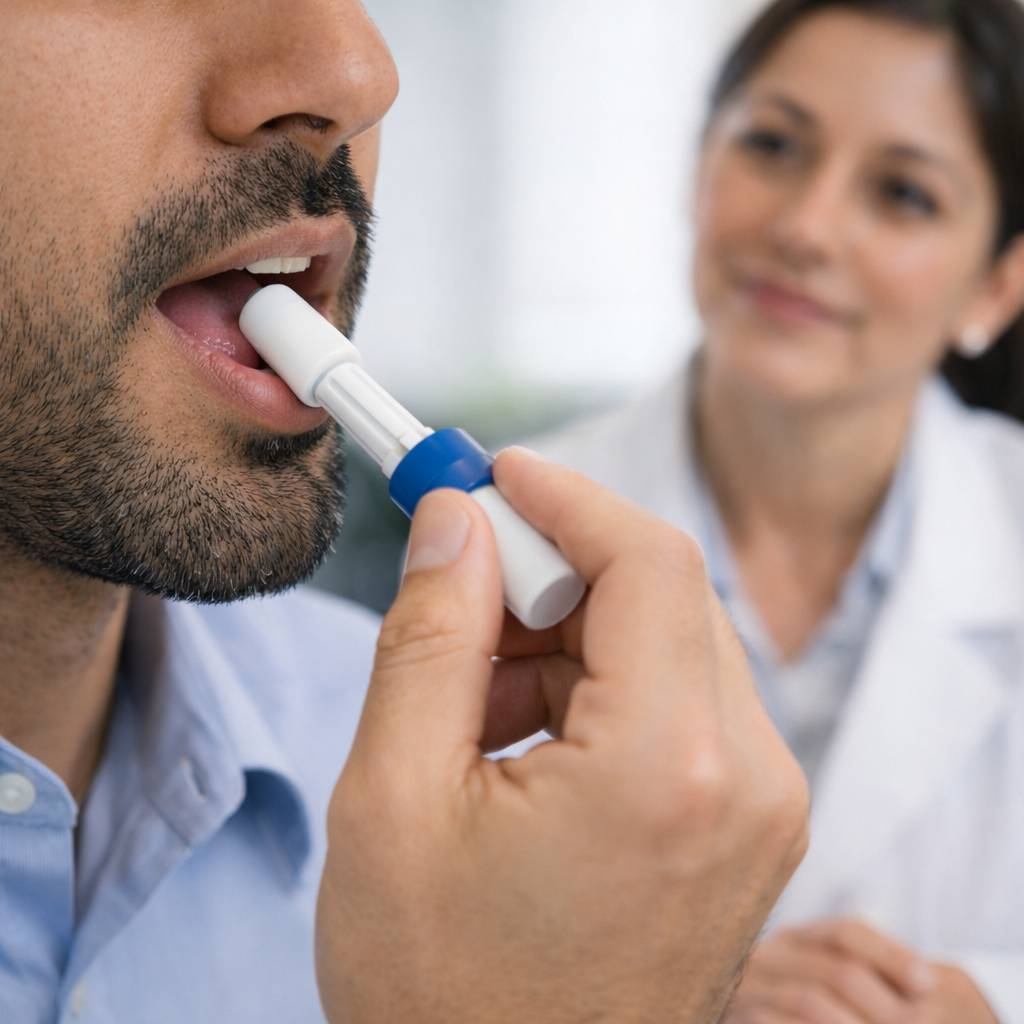
Oral fluid testing is a non-invasive and easy method. The process involves collecting a saliva sample from inside the mouth. This method is used to detect drug intake and also provides fast results.
Many organizations prefer saliva drug test kits in their drug screening programs because these kits are convenient for on-site or workplace testing. This method is reliable as it reduces the chances of sample tampering.
Having a drug screening program is not just about compliance; it also helps create a safer, more reliable company environment. These screening programs prevent employees from accidents, help maintain productivity, and ensure that workplace policies are followed.
Drug screening tests are useful in industries like construction, transportation, and healthcare. These tests reduce the risk of accidents in these safety-sensitive industries. By identifying the potential risks early, companies can prevent employees from harmful incidents.
Also, equipment damage can be prevented. When the workplace is safe, it boosts employees’ confidence and the overall company’s scalability.
Drug screening programs maintain the workplace’s decorum. Employees strictly follow the policies and stay accountable for their actions. When they know that testing is an essential part of the organisation’s rules and practices, they reduce absenteeism and focus on improving their performance.
This process helps the company to have a culture of responsibility, maintain focus, and achieve its goals effectively.
Workplace drug screening is crucial for federal and state regulations. If the company has proper documents and invests in regular testing procedures, there are fewer chances of legal challenges and liability claims.
Such testing programs help the company to show that it maintains a safe, fair, and law-abiding work environment. These screening tests set clear standards that a company can apply at all levels.
Recently, workplaces have been adopting more convenient drug screening options, and hence, they are investing in oral fluid testing kits. Traditional methods require private facilities or professional medical supervision, but collection through oral testing kits is simple and can be done on-site or at the workplace.
This process is non-invasive, and hence, employees feel comfortable during testing. Moreover, these drug testing kits can even detect recent drug use. This process is especially useful in post-incident situations where the organisation needs information on time.
As the sample collection is typically observed, the chances of tampering are reduced. Many companies use these kits to support effective workplace screening and implement managed testing procedures.
Companies should carefully evaluate legal procedures, workplace culture, and operational needs before enforcing a drug screening program. A well-planned policy promotes fairness, transparency, and consistency in the organisation.
When the company decides to introduce a drug screening policy, it must communicate it to employees. Employees should know why testing is done, how samples are handled, and how results are used.
The company should maintain confidentiality and respect employees’ privacy rights to build trust and reduce misunderstandings among them.
The right drug testing method must be chosen based on the nature of the work and the company’s goal. Employers must take into account administrative simplicity, legal obligations, and detection periods.
The process of testing should also be in compliance with the requirements of the workplace to ensure that the program is effective and reliable.
Drug testing in the workplace is important for ensuring safety, accountability, and compliance with regulations in various industries. Employers should be informed about the various ways of conducting the test to make an informed decision that meets the organizational needs. Whether it is a urine test or a saliva test, every method has its own significance depending on the situation. A drug testing policy ensures a safe workplace and upholds the privacy of employees while being fair in the organization, if the testing is properly communicated and implemented.
Comments (0)