What Is SAINT Depression Treatment? Understanding This New TMS Protocol
5 months ago 432

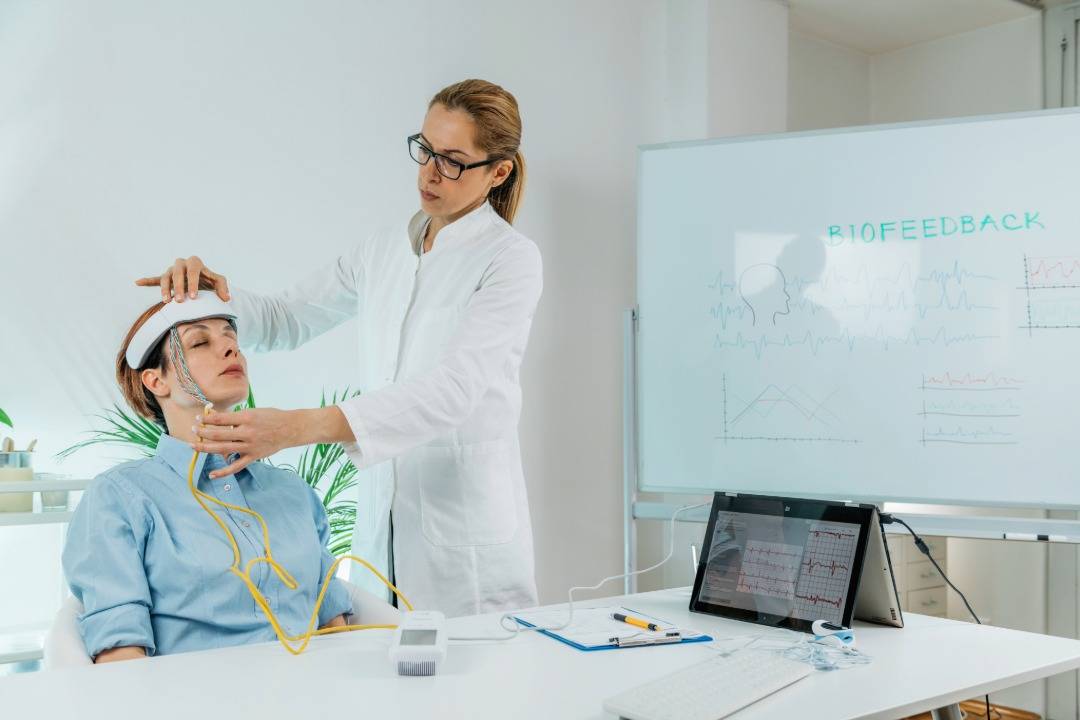
Depression that resists standard medications affects millions of people. Researchers at Stanford University developed SAINT depression treatment to address this challenge. This protocol uses magnetic stimulation to target brain circuits involved in mood regulation.
SAINT stands for Stanford Accelerated Intelligent Neuromodulation Therapy. It accelerates treatment timelines significantly. While traditional approaches take months, SAINT depression treatment delivers improvements within days. For people exhausted by failed medication trials, this speed matters considerably.
SAINT TMS depression uses magnetic coils placed against the scalp to stimulate specific brain regions. The dorsolateral prefrontal cortex, involved in mood and decision-making, is the primary target. These coils generate electrical pulses that stimulate brain tissue.
Each session takes about an hour. A technician positions the coil while the person sits in a chair. Most describe the sensation as mild tapping on the scalp. Some hear clicking sounds from the equipment.
SAINT depression treatment differs from regular TMS through intensity and compression. Standard TMS involves 30 sessions across six weeks. SAINT condenses treatment into consecutive days with longer, more intensive sessions. Someone might complete treatment in five to ten days instead of months.
The brain relies on electrical signals between neurons. Depression involves overactive neural pathways in some areas and weakened ones in others. SAINT TMS depression restimulates these pathways with repeated magnetic pulses.
This repeated stimulation encourages neuroplasticity - the brain's ability to rewire itself. Over days of intensive treatment, new connections strengthen while problematic patterns fade. The brain receives intensive retraining rather than gradual adjustment.
The magnetic pulses increase activity in underactive brain regions and reset overstimulated circuits. This cumulative effect restores more normal mood regulation patterns.
SAINT depression treatment works best for treatment-resistant depression - those who've tried at least two different antidepressants without adequate improvement. Many candidates have tried multiple medications over years without success.
The protocol also helps people experiencing severe medication side effects. Some gain excessive weight on antidepressants. Others develop sexual dysfunction or emotional numbness. SAINT depression treatment cost might be offset by avoiding those consequences.
People in acute crisis sometimes benefit most. A therapist treating someone with active suicidal thoughts might recommend SAINT TMS depression because of its rapid effects. Waiting weeks for medication to work isn't realistic in crisis situations.
If you're exploring this option, look for clinics offering TMS therapy Brooklyn or wherever you're located that specifically have experience with the SAINT protocol - not all TMS centers use this intensive approach.
Candidates typically meet these criteria:
People starting SAINT depression treatment often feel more like themselves within days. This isn't mild improvement. People report clearer thinking, better sleep, and renewed motivation.
Someone might notice they can shower without effort - something that felt impossible during severe depression. Another finds they can sit through meals without constant intrusive thoughts. These functional improvements matter as much as mood changes.
Results aren't permanent without maintenance. Most people benefit from ongoing treatment through periodic SAINT TMS depression sessions, medication, or both. But the initial rapid response provides hope that's transformative.
SAINT depression treatment cost varies based on location and facility. A single session typically runs $500 to $1,500. A complete course ranges from $6,000 to $15,000 depending on session frequency.
Urban centers charge more than rural areas. Specialized TMS clinics cost more than general psychiatry offices. Insurance status makes enormous differences in actual out-of-pocket costs.
Insurance coverage remains inconsistent. Some major plans fully cover TMS for treatment-resistant depression. Others pay partial amounts. Many require documentation of failed medication trials before covering SAINT depression treatment cost.
Factors affecting total expenses:
For those without insurance, clinical trials reduce expenses. Stanford and other institutions offer free or reduced-cost SAINT depression treatment to study participants. This helps researchers while making treatment accessible.
Payment plans through treatment centers spread costs. Some facilities offer sliding scale fees based on income. Nonprofit organizations occasionally provide grants for TMS treatment.
Antidepressant medications take weeks to work and require ongoing use. SAINT depression treatment delivers faster results. However, medications work for many people without side effects, while TMS isn't effective for everyone.
Some people use both together. Starting SAINT TMS depression while continuing medication sometimes produces better results than either approach alone.
Psychotherapy helps many people, but it also takes time. Someone in crisis can't wait weeks for talk therapy to help. SAINT depression treatment acts faster, making it useful during acute depression. After initial rapid improvement, therapy often becomes more beneficial as the person has mental energy to engage.
Electroconvulsive therapy (ECT) works quickly but requires anesthesia and can cause memory problems. SAINT TMS depression accomplishes similar speed without those drawbacks. For someone concerned about cognitive side effects, TMS offers a gentler option.
Before choosing SAINT depression treatment, someone should understand realistic expectations. What percentage of patients improve? What's the average timeline? What happens if initial treatment doesn't work?
Practical questions matter too. How many sessions are typically needed? Can someone work during treatment? What are the actual SAINT depression treatment cost figures for their specific situation? Are there payment options?
A good provider explains both benefits and limitations. SAINT TMS depression isn't a cure, and some people don't respond. Understanding these realities helps set appropriate expectations.
Depression that doesn't respond to standard treatments requires different approaches. SAINT depression treatment offers real hope for those stuck in that situation. The rapid timeline, minimal side effects, and emerging research support make it worth considering.
For some, SAINT TMS depression becomes the turning point they needed. Speaking with a qualified psychiatrist helps determine whether this protocol fits someone's specific circumstances.
Comments (0)