Understanding Bone Fractures: Types, Causes, and Modern Treatment Options
5 months ago 350

Bone fractures are among the most common injuries treated in orthopedic medicine, affecting people of all ages and activity levels. Whether caused by a sudden accident, repetitive stress, or underlying health conditions, fractures require accurate diagnosis and timely management to heal correctly. Seeking care from a fracture care specialist is essential because specialized services focus on proper alignment, stabilization, and recovery planning, which are exactly the types of services patients can expect when visiting a dedicated fracture care center in East Tennessee.
Fractures are classified based on how the bone breaks and whether the skin is affected. A simple fracture, also known as a closed fracture, occurs when the bone breaks without piercing the skin. These injuries are often easier to treat and have a lower risk of infection when managed promptly.
Open fractures are more severe and involve a bone breaking through the skin. This type of injury requires immediate medical attention due to the increased risk of infection and soft tissue damage. Specialized fracture care is critical in these cases to ensure proper cleaning, stabilization, and healing.
Stress fractures develop gradually due to repetitive force or overuse, commonly seen in athletes and individuals with physically demanding routines. Although small, these fractures can worsen significantly if ignored, making early diagnosis and targeted treatment especially important.
Traumatic injuries are the leading cause of fractures and include falls, motor vehicle accidents, and sports-related impacts. These events often result in sudden force that overwhelms the bone structure, leading to immediate injury. The severity of the fracture depends on the intensity of the trauma and the area of the body affected.
Underlying medical conditions can also weaken bones and increase fracture risk. Osteoporosis, for example, reduces bone density and makes fractures more likely even from minor falls or everyday activities. Nutritional deficiencies and certain medications can further compromise bone strength over time.
Repetitive stress and improper biomechanics are additional causes, particularly for stress fractures. Poor footwear, inadequate rest, and improper training techniques can all contribute to gradual bone damage that can eventually lead to a fracture.
Accurate diagnosis is the foundation of effective fracture treatment. Physicians typically begin with a physical examination to assess swelling, tenderness, and range of motion. This initial assessment helps determine the urgency and type of imaging required.
Imaging technology plays a vital role in confirming fractures and guiding treatment. X-rays are the most commonly used tool, but advanced imaging, such as CT scans or MRI, may be necessary for complex fractures or stress injuries that are not easily visible.
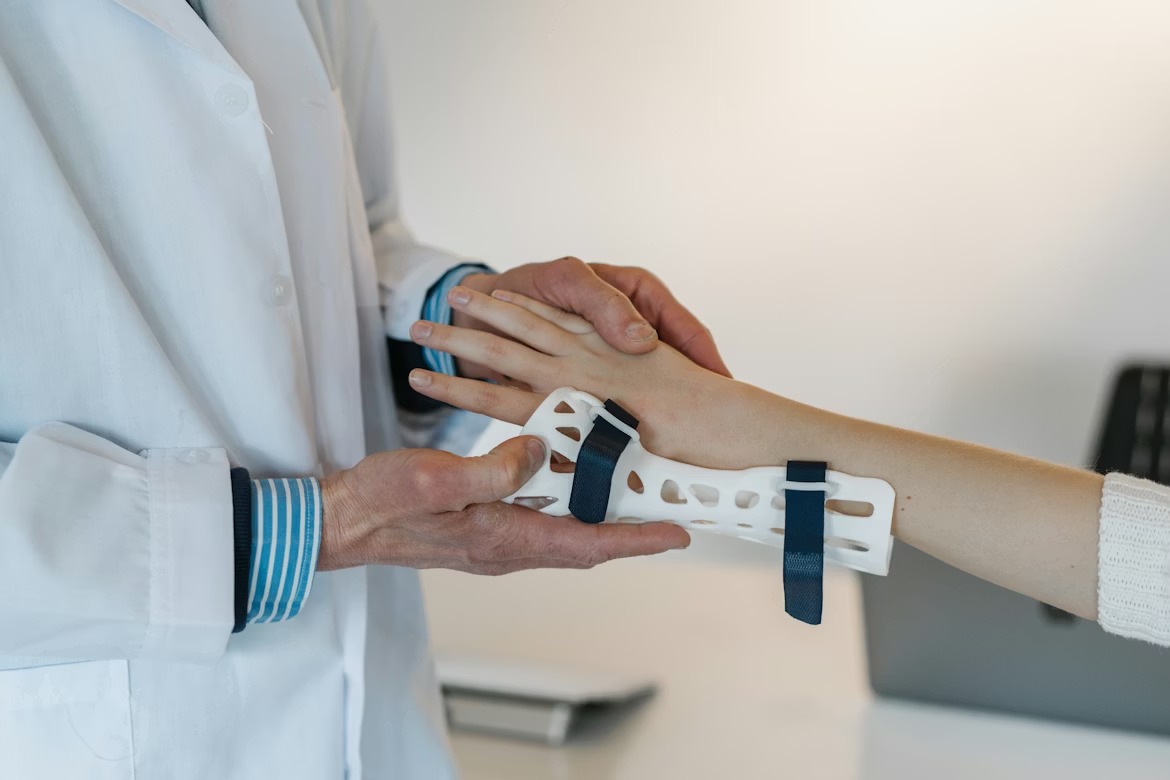
Treatment for fractures has evolved significantly with advances in orthopedic care. Many fractures can be managed without surgery using casts, splints, or braces to maintain proper alignment while the bone heals. These non-surgical approaches are often effective when applied early and monitored closely.
Surgical intervention may be required for displaced or unstable fractures. Modern techniques use plates, screws, or rods to stabilize the bone internally, allowing for better alignment and faster functional recovery. Post-surgical care is an essential part of the healing process and includes follow-up visits and rehabilitation planning.
Specialized fracture care focuses on more than just bone healing. It considers joint function, muscle strength, and long-term mobility to ensure patients return to daily activities safely. Comprehensive care reduces the risk of improper healing, chronic pain, and reduced function.
Providers such as Tennessee Orthopaedic Alliance offer fracture care services designed to support patients from diagnosis through recovery. Access to experienced orthopedic professionals ensures treatment plans are tailored to the specific fracture type and patient needs.
Healing time varies depending on the fracture type, location, and patient health. While some fractures heal within weeks, others require several months of careful management. Following medical guidance closely is key to avoiding setbacks during recovery.
Rehabilitation often includes physical therapy to restore strength, flexibility, and range of motion. A structured recovery plan helps patients regain confidence and reduces the likelihood of reinjury once the bone has healed.
Bone fractures are complex injuries that require more than basic first aid to heal properly. Understanding fracture types, causes, and modern treatment options empowers patients to seek timely and appropriate care. With expert evaluation, advanced treatment methods, and comprehensive rehabilitation, specialized fracture care plays a vital role in restoring function and supporting long-term bone health.
Comments (0)