Essential Skills for Success in Sterile Processing Technician Programs
6 months ago 336

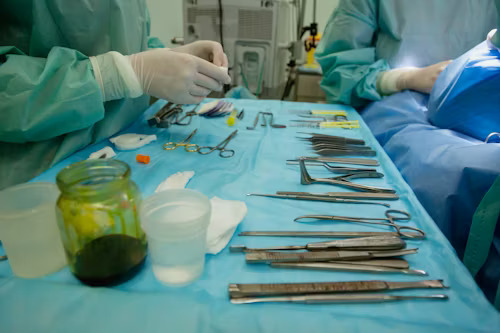
The profession of sterile processing requires that practitioners conduct their work precisely and stay on unequaled guard throughout.Students entering this profession must understand that their role directly supports safe clinical environments. The complete safety requirements for the entire operation depend on two factors which include the instruments prepared by workers and the equipment used by them. Training programs guide learners through structured lessons, practical exercises, and supervised tasks that build confidence and competence.
The profession requires workers to possess both technical skills and additional competencies. The job requires its employees to demonstrate three specific qualities, which include patience, organizational skills, and dedicated work ethics. The combination of early preparation with essential skills development enables students to achieve better academic and practical assessment results. It offers learners essential materials and organized resources which facilitate their educational advancement.
Understanding equipment, cleaning methods, and sterilization cycles is essential. Many students explore structured learning options such as Sterile Tech Programs to gain clear instruction and hands on practice. Courses available that explain instrument classification, contamination risks, and proper storage methods. A solid grasp of these technical concepts helps learners meet training standards and perform tasks accurately during practical assessments.
Careful observation and consistent focus reduce mistakes in sterile environments. Developing strong attention skills supports long term success.
The training process for sterile processing requires effective communication as its main component. Students must exchange information with supervisors and team members effectively. Speaking clearly, listening actively, and asking relevant questions prevent misunderstandings. The training resources on Sterile Tech Programs usually contain teamwork activities that help develop collaborative abilities. Effective communication enables workers to complete their work correctly and to understand their instructions without any doubt.
Structured habits help students manage coursework and practical sessions efficiently. Organized learners complete tasks more accurately and on schedule.
Safety awareness protects both staff and patients. Students must learn proper handling of contaminated tools and understand protective guidelines. Training programs teach workers to use personal protective equipment and to dispose of materials correctly. When learners follow safety standards consistently, they reduce risk and build professional reliability.. Reliable study materials available that also highlight regulatory expectations that shape responsible conduct.
Effective scheduling allows students to complete assignments and practical tasks without pressure. Good time use improves performance during training.
Unexpected issues may arise during sterilization cycles or equipment checks. Students must learn how to assess situations calmly and identify appropriate solutions. Logical thinking helps determine whether instruments require reprocessing or adjustment. Guided exercises offered within Sterile Tech Programs strengthen decision making abilities. Developing confidence in problem solving prepares learners for real workplace challenges.
Professional development requires three essential components which include discipline and knowledge and ongoing advancement. Students who combine technical expertise with communication and organization skills often advance more confidently. The educational platform Sterile Tech Programs offers students their complete learning process together with employment and certification preparation materials. The essential abilities together with the validated resources from steriletechprograms.com enable people to build a solid base which supports their success throughout their entire life.
Students need to demonstrate commitment and dedication to succeed within sterile processing education. Students who develop technical skills together with improved focus abilities and effective time management and precise communication will achieve greater success in their educational programs.. The structured learning programs through Sterile Tech Programs together with their associated website www.steriletechprograms.com serve as effective tools for ongoing development work. The combination of discipline together with safety awareness and structured practice creates a complete system to prepare individuals for professional work.
What qualifications are needed to join a sterile processing technician program
Most programs require a basic education background and willingness to complete technical training.
How long does training usually take
Program duration varies but often includes classroom study and supervised practical sessions.
Why are organizational skills important in sterile processing
Organized habits reduce errors and improve workflow efficiency in controlled environments.
Comments (0)