The Role of Hydrolyzed Collagen Powder in Long-Term Muscle Recovery and Structural Strength Development
7 months ago 310

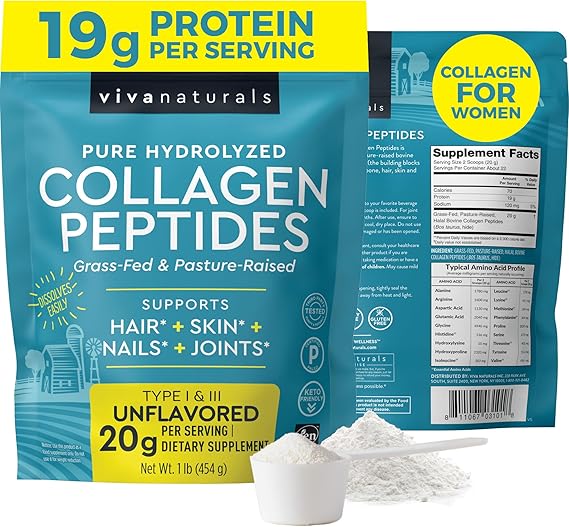
Hydrolyzed Collagen Powder supports muscular recovery, and structural integrity. The recovery process relies on multiple factors such as nutrition and hydration. Structural protein is also crucial to this process. Many individuals want instant results, but with proper nutrition, the body undergoes long-term adaptive changes. This explains the inclusion of hydrolyzed collagen powder in many wellness plans.
Collagen is the most abundant protein in the body, found in muscle tissues, fibrous tissues, ligaments, tendons, and cartilage. Collagen is unlike the other proteins, as it does not assist in the muscular fiber synthesis but rather, provides the framework for the muscular structural components. If there is proper support of the connective tissues, then there is enhancement of the structural integrity.
Because the collagen is hydrolyzed, it means the collagen is in the form of smaller units, known as peptides, which are more easily absorbed and used by the body. Collagen is also highly soluble. This means it can be added to almost any drink with little to no change in the drink's texture, including coffee, smoothies, and post-workout drinks.
Considerable convenience minimizes friction from establishing repeated use patterns. Consistency is crucial when evaluating structural protection.
Muscles are only one part of the equation. You need tendons that connect muscles to bones, and ligaments that hold bones at the joints. These connective tissues are placed under a lot of stress when any workout, repetition and/or resistance, is performed. Muscles may be a focal point but connective tissues also need structural nutrition to avoid excessive fibrosis.
Supplementing a workout regimen with the frequent use of collagen peptides powder may assist in providing the structural proteins that are composed in ligaments and tendons. You will still need to perform the strength training and follow the prescribed recovery strategies, but the use of collagen peptides may assist in maintaining the structural integrity of the tissues involved.
Collagen is a key ingredient in many formulations that are marketed for the purpose of addressing joint stiffness. Collagen is in the cartilage that covers and protects the joints, and provides pain-relieving and shock absorbing attributes. Joint pain can be a significant problem of the elderly, people performing repetitive tasks and standing for long hours.
Bones consist of a collagen framework that serves to support the bone by relieving some of the stress that the bone encounters.
Vitamin D is also necessary in skeleton development just as calcium is. D3 is a fundamental component of bone development as well as the absorption of calcium. It is a good idea to continue to use vitamin D3 supplement for winter season as an aid to winter sun’s poor calcium absorption.
Studies have recently suggested a combination of Vitamin D and Collagen supplements can enhance skeletal strength. As a primary contributor to the bodies calcium building ability, the vitamin D3 supplement works synergistically with the protein supplement to support the structural development of your skeleton, provided that the protein is in the form of whole foods. Plenty of water is also highly advisable.
Recovery is also influenced by sleep, stress and other lifestyle factors. Deep sleep is vital to repair cells. Chronic stress can interfere with repair. If supplements are used in isolation, they might not work.
Many people include collagen powder supplements in their daily regimen because they are unflavored. One can, for example, add them to their morning coffee or post-workout protein shake. One must be patient and give the process time.
To lower the possibility of having a vitamin D deficiency, people who live in the northern part of the world can take vitamin D supplements, after a doctor’s prescription. Wearable devices can be used to monitor the levels of vitamin D in your body, and this will help in supporting your theory.
Along with several of the lifestyle factors, aging, and genes, collagen supplements are probably not going to overcome the limits. However, it might give slight improvement. When well planned and integrated with other nutrients, like vitamin D, and also with sufficient hydration, exercise, and rest, collagen supplements can be part of a big process.
With time, the habits built around structural protein, minerals, and other general health supplements will help in improving the health of the connective tissues, and the comfort and solidity of the joints.
Consider developing habits that are focused on the long-term. Instead of looking for extreme and immediate changes, focus on the gradual and incremental improvement of the body's natural shifts.
Comments (0)