Psychological Aspects of Facial Aging and Cosmetic Surgery
5 months ago 427

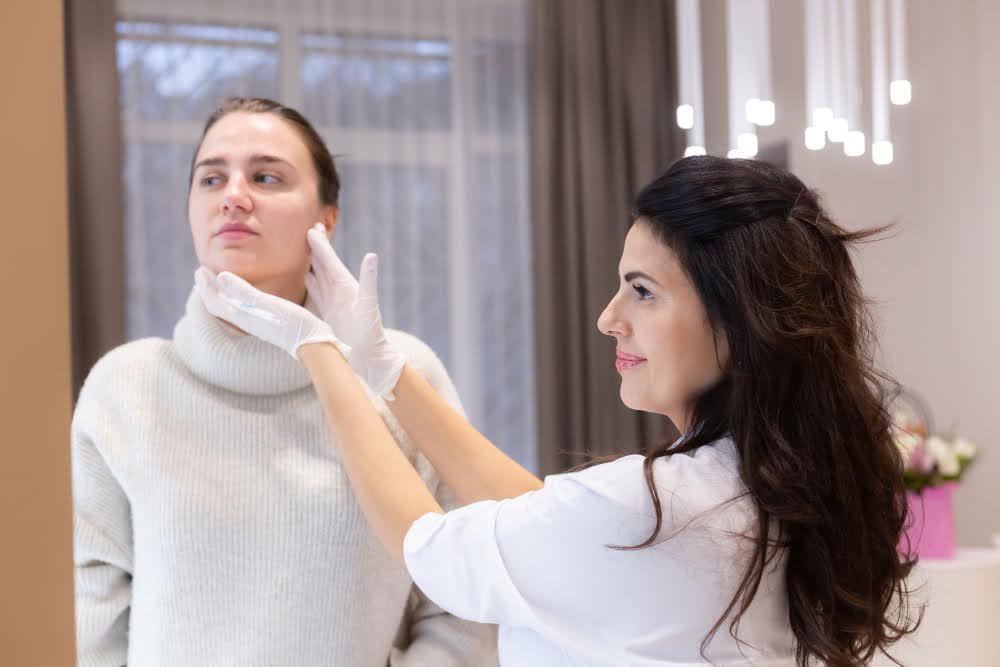
Facial aging is often framed as a cosmetic concern, but for many people it becomes a quiet psychological struggle. Changes in appearance can feel like a loss of familiarity with one’s own reflection, creating discomfort that isn’t easily explained or resolved by reassurance alone.
When this inner tension goes unrecognized, individuals may look for external solutions without fully understanding what they hope to address. The purpose of this article is to explore the psychological dimensions behind facial aging and cosmetic choices,
The face plays a central role in how individuals recognize themselves and are recognized by others. It is the primary site of emotional expression, nonverbal communication, and social signaling, shaping first impressions and everyday interactions. Because of this visibility, people often anchor parts of their identity to how their face looks and moves in social contexts.
When facial appearance changes with age, illness, or stress, it can subtly disrupt this sense of continuity, leading some individuals to feel less confident or less aligned with how they see themselves.
A common source of distress arises when a person’s internal sense of age or vitality does not match what they perceive in the mirror. This mismatch can challenge self-image, creating a feeling of being “older-looking” than one feels internally, even when physical health and abilities remain unchanged.
Emotional responses to facial aging vary across life stages and are shaped by personal expectations, social roles, and cultural messages about appearance. What a person feels when noticing changes in their face often reflects where they are in life and what they believe those changes represent.
Society and culture play a powerful role in shaping how individuals perceive facial aging. Media representations often emphasize youthful features as ideal, reinforcing narrow beauty standards that can make natural signs of aging feel undesirable. Social media amplifies this effect, encouraging constant comparison with curated images of peers, celebrities, and influencers, which may heighten self-consciousness or dissatisfaction.
Cultural norms also influence responses to aging. In some societies, visible age is associated with wisdom, respect, and social authority, fostering acceptance, while in others, youthfulness is prized, and aging can be stigmatized.
Workplace expectations and relationship dynamics further affect perceptions. Professional environments that value appearance or youth may intensify concerns about facial changes, and social or romantic interactions can subtly reinforce worries about attractiveness. Together, these social and cultural pressures shape emotional responses and the desire for interventions that maintain or restore a youthful appearance.
Individuals consider cosmetic surgery for a variety of psychological reasons, often rooted in a desire to feel more confident, align their appearance with their internal sense of identity, or mark life transitions such as career milestones or personal reinvention. For many, these procedures serve as a tool to address dissatisfaction that affects daily self-esteem and social interactions.
It is important to distinguish internal motivations from external pressures. When the desire for surgery comes from personal reflection and realistic goals, it is generally associated with healthier outcomes. Conversely, decisions driven primarily by societal expectations, peer comparison, or media influence may lead to unrealistic expectations and dissatisfaction.
Cosmetic surgery is just one of several ways individuals cope with appearance-related distress. Other strategies include behavioral adjustments, styling choices, or therapeutic interventions, highlighting that physical procedures are not the only solution to psychological concerns about facial aging.
Before undergoing cosmetic procedures, assessing a patient’s psychological readiness is as important as evaluating their physical suitability. Mental health screening helps identify individuals who may have unrealistic expectations, are experiencing external pressures, or exhibit signs of conditions such as body dysmorphic disorder.
Recognizing these red flags early ensures that patients pursue interventions for the right reasons and are emotionally prepared for the outcomes. Informed consent should extend to explaining surgical risks, clarifying realistic results, recovery processes, and potential limitations. For example, patients considering facelifts by Dr Jay Calvert undergo thorough consultations that assess both physical suitability and psychological readiness, ensuring expectations align with achievable results.
Psychological screening not only safeguards patients by promoting safer, more satisfying outcomes, but also protects clinicians by supporting ethical practice and reducing the risk of complications arising from emotional or cognitive vulnerabilities.
Cosmetic facial procedures can influence emotional well-being in multiple ways, depending on a patient’s expectations, motivations, and support system. Many individuals experience a renewed sense of confidence and comfort in social settings, which can positively affect personal and professional interactions.
Structured post-procedure psychological support is crucial. Counseling and guidance help patients process changes, maintain realistic expectations, and integrate the results into their self-concept, ensuring that cosmetic interventions contribute to lasting emotional well-being.
Along with appearance, facial aging influences confidence, identity, and social interaction. Understanding the psychological aspects helps clinicians provide compassionate, patient-centered care. Cosmetic decisions are not purely aesthetic but recognizing patients’ emotions, motivations, and expectations ensures safer, more satisfying outcomes and highlights the importance of integrating mental well-being into medical practice.
Comments (0)