Healthy Eating for Busy People: Making Smart Choices on the Go
5 months ago 229

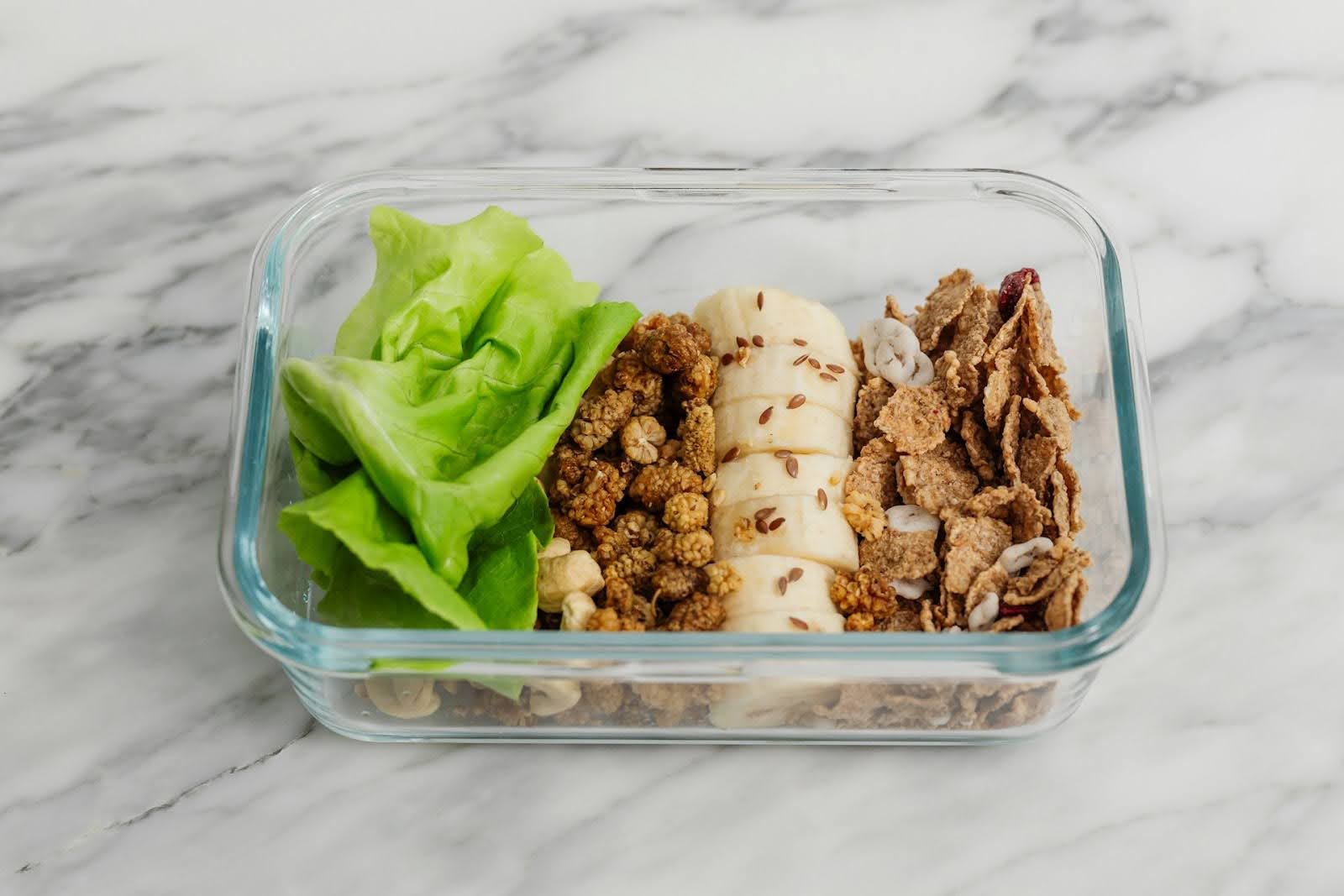
Modern life moves quickly. Between work responsibilities, commuting, family obligations, and social commitments, many people find themselves eating on the run more often than they would like. While home-cooked meals are often ideal, the reality is that busy schedules sometimes lead to drive-through orders, takeout, or quick convenience foods. The good news is that eating on the go does not automatically mean eating poorly. With a bit of awareness, planning, and nutritional understanding, it is possible to make choices that support long-term health.
Today’s nutrition landscape has also evolved. Many people are learning about macronutrients, proteins, carbohydrates, and fats, and how balancing them can support energy, weight management, and overall wellness. This is why some health-conscious consumers look for guidance on choosing a Macro-friendly fast food option when dining out. Rather than viewing fast food as strictly “good” or “bad,” they are learning how to navigate menus more strategically.
Healthy eating for busy people is less about perfection and more about consistency and informed decisions. Understanding how to balance convenience with nutrition can make a meaningful difference over time.
Time pressure changes how people eat. When schedules are packed, hunger often becomes urgent rather than planned. This can lead to grabbing whatever is quickest, not necessarily what is most nourishing.
Research and dietary guidance from the U.S. Department of Agriculture (USDA) emphasizes that dietary patterns, what we eat consistently over time, matter more than any single meal. However, frequent reliance on highly processed, calorie-dense foods can make it harder to meet nutrient needs and maintain balanced energy intake.
Busy individuals may also skip meals, which can backfire. Long gaps without food often lead to overeating later or choosing high-sugar, high-fat foods for quick energy. Planning ahead helps prevent these cycles.
Macronutrients are the nutrients the body needs in larger amounts:
Balanced meals that include all three can help stabilize blood sugar, maintain energy levels, and reduce cravings. This is one reason macro-aware eating has gained attention. It encourages balance rather than strict elimination of food groups.
For busy people, this approach can be practical. Instead of labeling foods as forbidden, it focuses on portion awareness and nutrient balance.
Eating out is sometimes unavoidable. The key is learning how to make better selections rather than assuming all restaurant or fast food meals are unhealthy.
Some practical tips include:
Prioritize protein
Meals with protein tend to be more filling and help prevent overeating later. Grilled chicken, eggs, lean beef, tofu, or legumes are good options.
Watch portion sizes
Restaurant portions are often larger than needed. Splitting meals or saving half for later can help manage intake.
Add fiber when possible
Vegetables, salads, whole grains, and fruit support digestion and fullness.
Limit sugary drinks
Beverages can add significant calories without satiety. Water, unsweetened tea, or sparkling water are often better choices.
These strategies do not require strict dieting, just mindful adjustments.

One of the most effective habits for healthy eating is planning. This does not have to mean elaborate meal prep every week. Even small steps help.
Examples include:
When hunger is predictable rather than urgent, decision-making improves.
A sustainable diet allows room for flexibility. Strict rules often lead to frustration and burnout. Busy individuals especially benefit from realistic approaches that fit their lifestyle.
Nutrition experts increasingly emphasize that overall dietary patterns matter more than occasional indulgences. A single fast food meal does not define health, just as one salad does not guarantee it. What matters is the bigger picture.
Flexibility also supports mental well-being. Food should not become a source of constant stress. Balanced choices most of the time are enough to support health goals.
What we eat affects how we feel throughout the day. Balanced meals support stable energy, concentration, and mood. Highly refined, sugary foods may provide quick bursts of energy but are often followed by crashes, making it harder to stay focused and productive. For busy professionals, students, and parents, consistent energy can improve productivity and daily functioning — and that starts with thoughtful food choices.
Nutrition is not just about weight; it’s about fueling the body and brain effectively. For people exploring alternative approaches to sustained energy, resources like Carnivore Snax breakfast ideas offer practical meal inspiration geared toward protein-rich breakfasts that may help maintain steady energy levels and reduce mid-morning fatigue. Choosing meals that combine essential nutrients can make a noticeable difference in how evenly your energy is distributed throughout the day.
Healthy eating does not require a complete lifestyle overhaul. Small, repeatable improvements are often more powerful than drastic changes.
Examples of small wins:
Over time, these habits build a healthier pattern.
Fast food exists because it meets a real need: convenience. For many people, eliminating it entirely is unrealistic. Instead, learning how to navigate it wisely is more practical.
Many restaurants now offer lighter options, customizable meals, and nutrition information. This allows consumers to make more informed decisions than in the past.
Understanding calories and macros can turn fast food from a blind choice into a managed one. This approach aligns with modern nutrition guidance that emphasizes awareness over restriction.
Healthy eating for busy people is about balance, not perfection. It recognizes real-world constraints while still valuing nutrition. With some planning, macro awareness, and mindful choices, convenience and health can coexist.
Public health authorities consistently encourage balanced dietary patterns that include fruits, vegetables, whole grains, lean proteins, and healthy fats. Even when eating on the go, aiming toward this balance supports long-term well-being.
Ultimately, the goal is sustainability. A diet that fits your lifestyle is one you can maintain. Smart choices made consistently, even in small ways, can support energy, health, and quality of life for years to come.
Comments (0)