Creating Calm: Designing Medical Office Spaces That Reduce Patient Anxiety
7 months ago 347

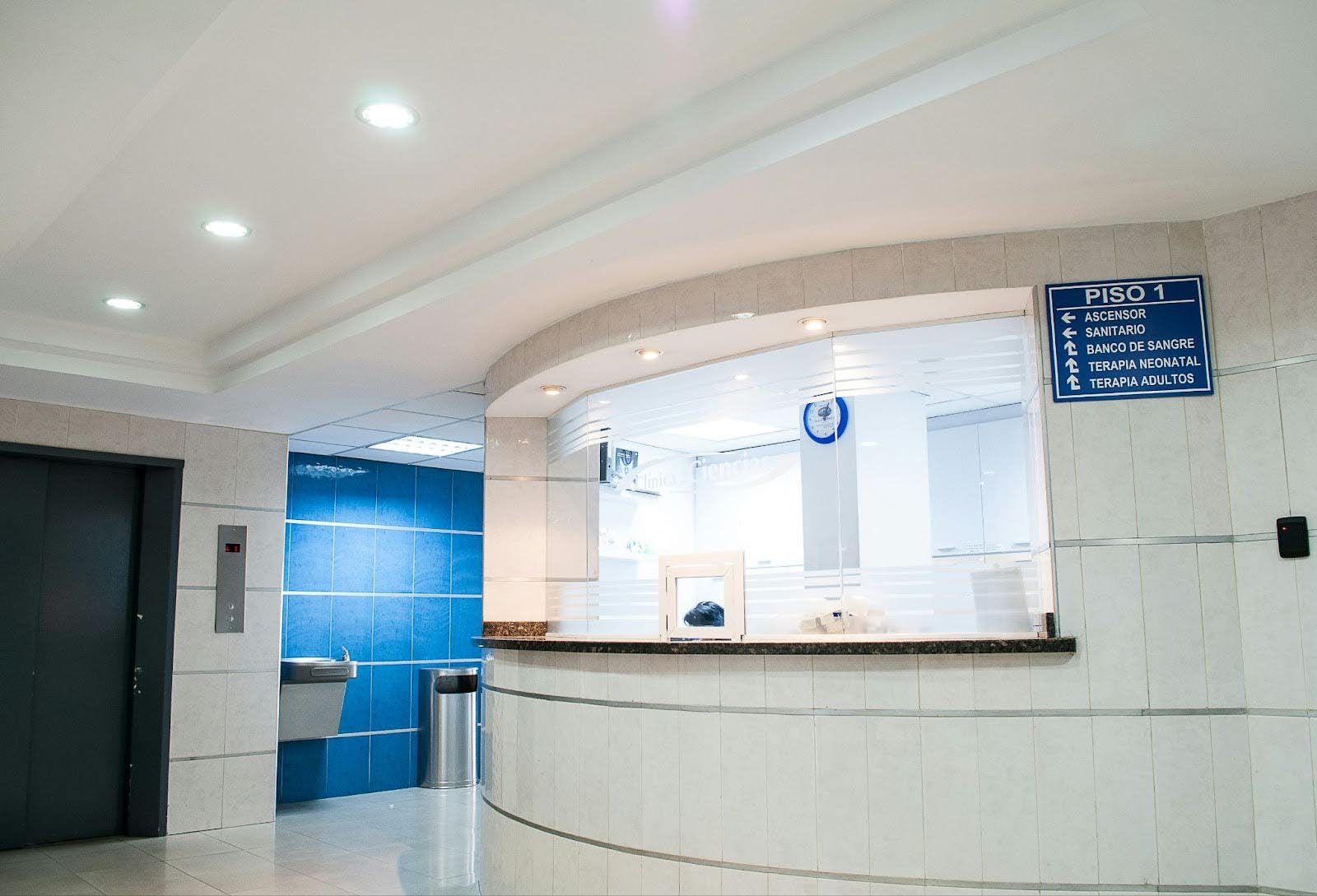
Walking into a medical office can trigger anxiety long before a patient sees a clinician. The smell of disinfectant, harsh lighting, bare walls, and cold furniture all quietly signal stress and uncertainty. Yet design has the power to flip that experience entirely. Thoughtful spatial choices can lower blood pressure, reduce perceived wait times, and create an atmosphere of trust and safety.
Small details, like texture, color, lighting, and wall art, work together to influence emotional responses in subtle but measurable ways. Many practices now use visual elements such as nature imagery and large-format wall decor to soften clinical environments while maintaining professionalism. When design supports emotional comfort, patients arrive calmer, communicate more openly, and leave with a more positive perception of care.
Patient anxiety often begins the moment they enter a medical facility. Unfamiliar environments activate the brain’s threat-detection systems, especially when paired with uncertainty about diagnoses or procedures. Long hallways, sterile color palettes, and crowded waiting rooms intensify this response.
Environmental psychology shows that humans subconsciously scan spaces for safety cues. When those cues are missing, or replaced with harsh, impersonal design, stress hormones increase. This can lead to elevated heart rate, restlessness, irritability, and even reduced pain tolerance. Designing with anxiety in mind means acknowledging that emotional responses are part of the clinical experience, not separate from it.
Color has a direct impact on mood and physiological response. Cool tones like soft blues and muted greens are consistently associated with calmness and lower stress levels, making them ideal for waiting rooms and exam spaces. Earth tones can also create a grounding effect when used thoughtfully.
Bright whites and stark contrasts, while traditionally associated with cleanliness, can feel intimidating when overused. Instead, layering neutrals with warm undertones helps maintain a professional appearance without triggering discomfort. Accent colors should be subtle and intentional, used to guide movement or highlight architectural features rather than overwhelm the senses.
Confusing layouts increase anxiety, especially for first-time visitors. Clear signage, intuitive flow, and visual cues help patients navigate spaces without frustration or embarrassment. When people don’t have to ask for directions, they feel more confident and less vulnerable, much like how well-organized systems ease uncertainty in operational environments. For example, when organizations implement a structured process like https://www.selltoner.com/blog/toner-reverse-logistics/, they reduce complexity and unexpected hurdles, making the entire experience smoother for users and staff alike.
Design elements like color-coded zones, consistent iconography, and visible landmarks (artwork, plants, feature walls) support effortless navigation. These cues quietly reassure patients that the environment is organized and that their experience has been considered in advance, just as thoughtful logistics planning reassures stakeholders that every step has been anticipated and optimized for ease and clarity.
Lighting is one of the most overlooked contributors to patient anxiety. Fluorescent overhead lights can cause eye strain, headaches, and heightened alertness, exactly the opposite of what anxious patients need.
Whenever possible, natural light should be maximized through windows, skylights, or glass partitions. When artificial lighting is necessary, warmer color temperatures and diffused fixtures reduce harsh shadows and visual fatigue. Layered lighting, ambient, task, and accent, allows spaces to feel adaptable rather than rigid. Even exam rooms benefit from adjustable lighting that gives patients a sense of control during consultations.
Humans have an innate calming response to nature, a concept known as biophilic design. Visual access to natural elements, whether real or represented, has been shown to reduce stress, improve mood, and shorten perceived waiting times. Large-format wall art featuring landscapes, forests, water, or abstract organic patterns can act as visual anchors, giving patients something calming to focus on during moments of uncertainty. According to the National Institutes of Health, exposure to nature imagery in healthcare settings is linked to reduced anxiety and improved patient satisfaction. The key is scale and placement: artwork should be large enough to feel immersive and positioned at eye level where patients naturally rest their gaze.
For facilities looking for high-impact solutions, options like Printmoz gallery wrapped canvas prints allow you to bring nature into patient environments in vivid, museum-quality formats. These custom-printed canvases can be tailored to match your space and therapeutic goals, helping transform blank walls into serene visual anchors that support emotional well-being.
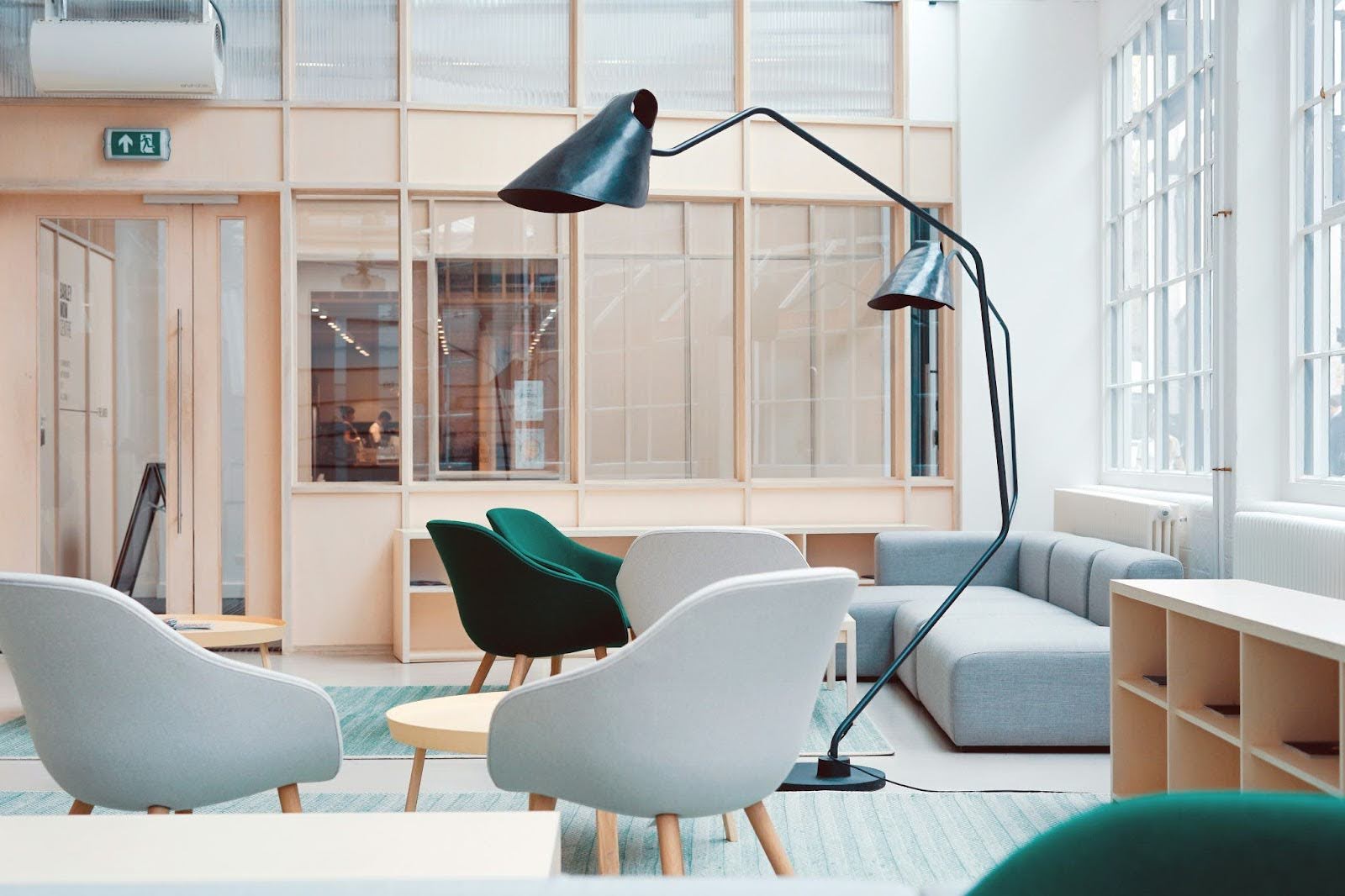
Furniture design sends powerful nonverbal messages. Hard, upright chairs suggest short stays and formality, while cushioned seating with supportive backs encourages relaxation. In waiting areas, varied seating options help patients feel more in control, whether they prefer upright chairs, softer lounge seating, or spaces with more personal distance.
Spacing matters just as much as comfort. Overcrowded layouts increase stress and make patients more aware of wait times. Clear pathways, logical seating arrangements, and accessible design reduce cognitive load and help patients feel oriented rather than overwhelmed.
Noise is a major yet underestimated stressor in medical environments. Conversations at the front desk, hallway traffic, and equipment sounds can heighten anxiety and reduce privacy. Acoustic design helps mitigate this through sound-absorbing materials, upholstered furniture, and soft finishes.
Background sound, such as low-volume instrumental music or white noise, can mask disruptive noises and create a more serene atmosphere. The goal isn’t silence, but balance: enough auditory softness to reduce tension without becoming distracting or intrusive.
Medical spaces must meet strict hygiene standards, but cleanliness doesn’t have to feel sterile. Modern materials allow for surfaces that are easy to sanitize while still offering warmth through texture and finish.
Matte surfaces, soft-touch laminates, wood-look materials, and fabric wall panels can all meet infection-control requirements when chosen correctly. When cleanliness is paired with warmth, patients perceive the space as both safe and human-centered, an essential balance in healthcare design.
Ultimately, a calm medical office isn’t about luxury, it’s about trust. Every design choice communicates something to the patient: whether they are rushed or respected, processed or cared for. When spaces feel intentional, welcoming, and emotionally supportive, patients are more likely to engage openly, follow treatment plans, and return for future care.
Designing for calm means recognizing that healing begins long before treatment starts. The environment itself becomes a quiet partner in care, one that reduces anxiety not through words, but through thoughtful, human-centered design.
Comments (0)