What is the best cardio machine for weight loss
7 months ago 378

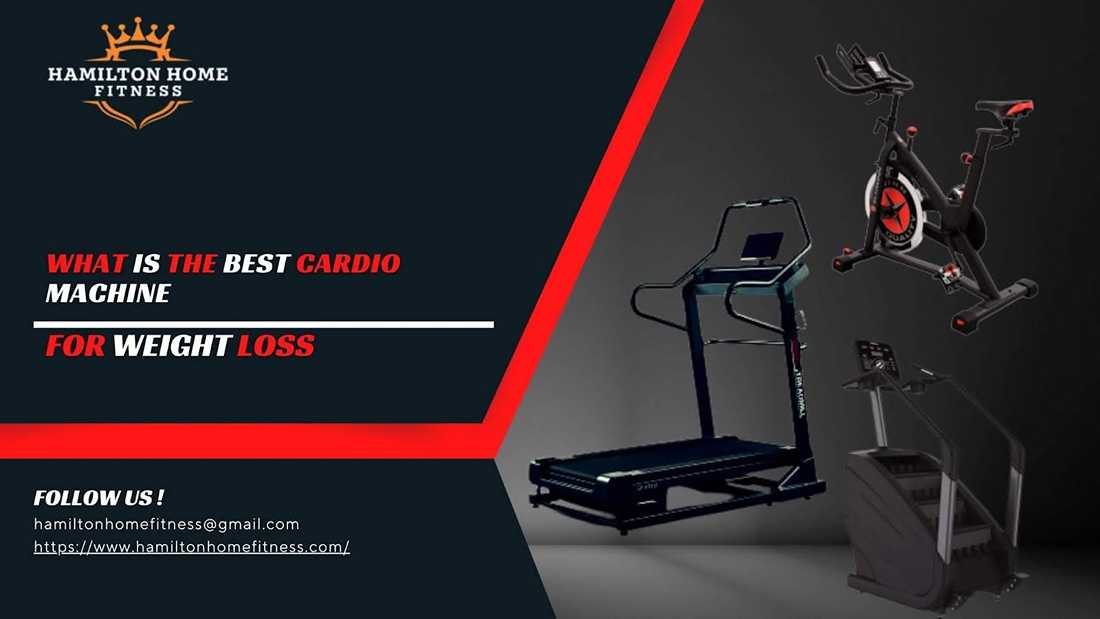
If you’re trying to find the best cardio machine for weight loss, you’re probably stuck between a few “safe” choices—treadmill, elliptical, or even a compact walking pad—and you don’t want to waste money on something that ends up collecting dust. This guide is for U.S. home fitness buyers, gym and studio owners, and trainers (including rehab-focused users) who want a simple, honest way to pick the right machine for their body, space, and schedule.
We’ll solve the exact questions people actually ask: Is 30 minutes a day enough? Is a treadmill or elliptical better? What incline works best? Is walking as good as running? How often should you train? And do HIIT intervals really “burn more fat” than steady cardio? You’ll get clear decision rules and real-world examples—like what to do if your knees hate running, your apartment is noisy, or your time is limited to lunch breaks.
By the end, you’ll know what to buy and how to use it: a practical treadmill approach (incline walking, steady pace, or intervals) that you can repeat every week. And when you’re ready to shop, you can start with Shop Quality Fitness Gear and Equipment - Hamilton Home Fitness to compare options built for real use, not hype.
Yes—30 minutes of cardio a day can be enough for weight loss if you can repeat it most days and keep your effort in a sustainable zone. The “best” plan is the one that fits your body and schedule so you don’t quit after week two.
“Enough” usually means you’re stacking consistent sessions, not chasing a perfect workout. In real-world routines, people lose weight fastest when they hit a steady weekly total (often around 150 minutes/week of moderate cardio as a common target) and keep food portions reasonable—because cardio alone can’t out-run overeating.
Proof pattern (decision rule): If you can talk in full sentences, you’re likely in a steady, moderate effort; if you can only say a few words, you’re in a harder zone.
Most people do best with 4–6 treadmill days per week, mixing easier days with harder days so recovery stays on track. If you’re sore, sleep-deprived, or dealing with knee/ankle issues, keep more days “easy” (steady walking or light incline) and save intensity for 1–2 sessions.
Proof pattern (checklist):
These are simple and repeatable—no fancy math:
Proof pattern (range): Calorie burn in 30 minutes can vary widely by body size, speed, and incline—think “a modest to a few hundred calories,” not one magic number.
The best cardio machine for weight loss is the one you’ll use consistently at the right effort—without joint pain, boredom, or setup hassles. For many people, that ends up being a treadmill (because it’s simple and scalable), but an elliptical can be the smarter pick if impact is the deal-breaker.
If you want the fastest “buy/no-buy” answer, use this decision rule:
Proof pattern (common mistake): A lot of people pick the “harder” machine and quit. A moderate plan you repeat beats a brutal plan you avoid.
A walking pad for weight loss can be perfect if you’re tight on space, want quiet workouts, or you’re building a daily step habit while working. The trade-off is power and stability: many walking pads cap speed and incline, and the deck can feel shorter for taller users.
Proof pattern (checklist): Before buying, check your space, noise limits, user height/stride, and whether you’ll want incline or faster walking later.
When you’re choosing equipment, match it to your real life:
If you want to compare options built for repeatable routines, start with Hamilton’s curated collection of Cardio Equipment for Home Workouts—it’s the easiest way to narrow choices by the workouts you’ll actually do. Proof pattern (buyer personas): I’ll later show 3 quick “buyer match” examples so you can pick in under 5 minutes.
A treadmill incline can be one of the easiest ways to make workouts more effective without needing to run. It raises your heart rate and effort while keeping impact lower—so it often helps people stay consistent, which matters most for fat loss.
For most beginners, a moderate incline is the sweet spot: high enough to feel challenging, but low enough to keep good form. Start small, then build.
Proof pattern (progression rule): If you can keep your shoulders relaxed, hold a steady pace, and recover quickly after, you can add a little incline next week. If your calves or Achilles feel “tight and angry,” back off and progress slower.
For incline walking vs running weight loss, the better choice is the one your body tolerates and you’ll repeat. Running can burn more calories per minute for many people, but it also adds impact and recovery needs. Incline walking can feel surprisingly tough, especially when you hold a brisk pace, and it’s often easier on joints.
Proof pattern (scenario): If your knees complain after running, incline walking lets you keep training frequency high. If you’re time-crunched and recover well, short runs or intervals may fit better.
A zone 2 treadmill pace is a steady effort where you can talk in short sentences, breathe harder, but still feel in control. This is why people call it a “fat-burning” zone: it’s sustainable long enough to build a big weekly total.
Proof pattern (how-to + troubleshooting):
HIIT can work fast, but steady-state often wins for consistency. For fat loss, the “better” treadmill style is the one you can repeat week after week without burning out, getting injured, or dreading your next session.
Sometimes—treadmill HIIT intervals can burn more calories in less time and may keep your metabolism elevated after. But it also costs more recovery, and if HIIT makes you sore or you start skipping workouts, the advantage disappears.
Proof pattern (decision rule): If HIIT leaves you wiped for 48 hours or hurts your joints, it’s not “better” for you. If you can recover well and still hit your weekly volume, it can be a great tool.
Keep it simple and repeatable—no complicated math:
Hard should feel like “I can’t hold this pace for long,” but your form stays clean—no grabbing the rails, no stomping.Proof pattern (modifications): Beginners can do 6 rounds first, or switch “hard” to brisk incline walking instead of running.
Steady-state is often the best choice if you’re a beginner, you’re managing stress, you’re rebuilding after injury, or you want a plan that feels doable on busy days. It also pairs perfectly with heart rate zones fat burning and a treadmill workout for fat loss that doesn’t wreck your legs.
Proof pattern (weekly example): 3–4 steady sessions + 1 short HIIT day + 1 easy incline walk can fit most schedules and still support progress without overtraining.
Yes—30 minutes a day can be enough if you’re consistent and your overall calories aren’t creeping up. For example, 5 days a week of 30-minute treadmill sessions can add up fast, especially when you keep the pace “brisk but sustainable.”
Neither is always better—the best choice is the one you can do often without pain. If running hurts your knees, an elliptical may help you keep workouts consistent, which is what drives long-term results.
A moderate incline that raises your breathing but still lets you maintain good form is usually best. If you’re gripping the rails or your calves feel sharp strain, the incline is likely too high for now.
Yes, walking can be just as effective if it helps you train more often and stay in a steady effort zone. For example, incline walking can feel as hard as a light jog while being lower impact for many people.
Most people do well with 4–6 days per week, mixing easier sessions with 1 harder day. If you’re still sore after 48 hours, reduce intensity before adding more days.
HIIT can burn more calories in less time, but only if you recover well and don’t start skipping workouts. If HIIT leaves you exhausted for 2 days, steady-state may produce better results because you’ll actually stick with it.
If you want the best cardio machine for weight loss, don’t chase the “hardest” option—pick the one you’ll use consistently, in your real space, on your real schedule. For many people, that’s a treadmill because it supports simple progress (speed, incline, time) and flexible training styles like incline treadmill walking, zone 2 treadmill pace, and treadmill HIIT intervals.
The biggest takeaway is this: results come from repeatable weeks, not perfect workouts. A practical starting point is 30 minutes, 4–5 days per week, using a pace you can sustain and adjusting incline before you jump to running. If your joints complain or recovery is slow, keep it low-impact and build volume first.
When you’re ready to choose equipment that matches your goals—whether it’s a home setup, a studio, or a commercial facility—Hamilton Home Fitness is built around real-world use, not hype. Your next step: pick treadmill vs elliptical using the quick-pick logic, then commit to one 2-week routine and track consistency, not just calories.
Comments (0)