The Clinical Science Behind Non-Surgical Aesthetic Treatments
7 months ago 339

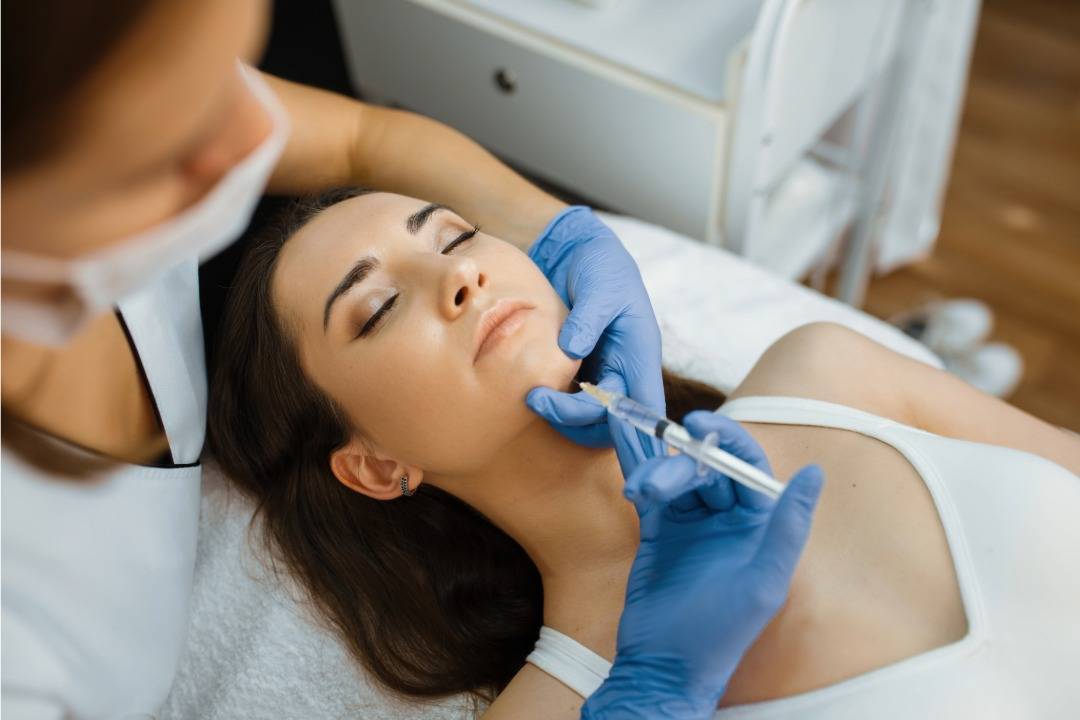
During the last 20 years, non-surgical aesthetic interventions have evolved from luxury procedures performed in beauty spas to medical treatments backed by clinical evidence and technology development. Patients are increasingly asking for minimally invasive options that provide visible results without the downtime, lower risk and natural appearances. Underlying the increasing trend from these procedures is a backdrop of clinical science rooted in dermatology, regenerative medicine, endocrinology and biomedical engineering.
Knowledge of underlying scientific principles allows both the physician professional and patient community to reach informed decisions. These are not just cosmetic procedures; they are specifically designed interventions based on tissue biology, mechanism of wound healing and molecular signaling pathways.
To properly understand the clinical science of aesthetics, one must grasp the biology of aging. Intrinsic factors (such as genetics and hormonal changes) and extrinsic factors (e.g., UV radiation, pollution, and lifestyle) play a role in skin aging. With ageing, the production of collagen and elastin diminishes, resulting in less elastic and firm skin. Distribution of subcutaneous fat is altered, leading to loss of volume and distortion.
Although cellular fibroblasts are less active, oxidative stress is higher. Diminished blood flow also smudges nutrient and cell repair. These are all reflected as loose skin, fine lines and wrinkles, uneven pigmentation, and sagging.
These underlying biological changes are what non-surgical aesthetic treatments are intended to target, rather than the superficial presentation of them. Modern treatments “work by inducing your own stem cells to regenerate new skin, targeting collagen production, inflammatory pathways and cell turnover.”
Among Unfail non-surgical treatments are neuromodulators, which temporarily work to relax specific facial muscles. These agents work at the neuromuscular junction, decreasing acetylcholine release leading to decreased muscle contraction. Dynamic wrinkles over the years. They are dynamic because they correspond to repeated movements of facial muscles, and due to those controlled muscle relaxation is achieved with a skin smoothing up over them.
Clinical studies show that neuromodulators work to soften frown lines, forehead wrinkles, and crow’s feet. They are safe when used by trained medical practitioners. The transience of these treatments is a consequence of how they work; nerve signals slowly recover as fresh synaptic connections emerge.
The science behind neuromodulators is founded upon neurophysiology and pharmacology, providing an example of how focused biochemical intervention can result in visible aesthetic transformation free from surgical manipulation.
Again, dermal fillers are also fundamental to non-surgical cosmetics. Usually made from hyaluronic acid, a naturally occurring glycosaminoglycan found in connective tissue throughout the human body, these injectables add volume to areas of lost fat and wear. Hyaluronic acid works to improve skin hydration and plumpness by trapping water molecules. Apply a humectant rich serum with glycerin, hyaluronic acid, or Saccharide Isomerate.
In addition to volume replacement, fillers would also induce collagen synthesis through mechanical stretching of fibroblasts. Such dual action underlies both more rapid and persistent benefits. More recently, advanced formulations with different cross-linking densities and viscosities are available to practitioners who can adapt therapy to targeted anatomical areas.
Clinical trials have shown that patients are very satisfied, and results are consistent. Reversibility of some fillers is another safety measure, as hyaluronic acid can be degraded using enzymatic agents.
Lasers, RF [radiofrequency] systems, and ultrasound energy technologies require proper delivery of energy to generate controlled tissue remodeling. These techniques are based on physical methods that have been thoroughly validated. For instance, fractional lasers form microthermal zones that induce wound healing cascades without damaging adjacent tissue. This helps to stimulate collagen production and also skin texture.
Radiofrequency devices deliver heat to the dermis, resulting in collagen contraction and neocollagenesis. Ultrasound devices that focus energy at deeper levels of tissue, providing nonsurgical lifting results.
The clinical science supporting these therapies is based on controlled injury and repair. When, for instance, forcing micra-injuries within a safe zone, Users stimulate the body’s natural healing mechanisms. In the long-term, this leads to firmer, strong skin.
Advances in technology allowed greater precision and safety features, including continuous temperature monitoring and energy calibration. These advancements decrease variability and improve consistency within patient groups.
Regeneration-oriented techniques have been more and more focused on in aesthetic medicine. Platelet-rich plasma (PRP), which is prepared using a patient’s blood, provides growth factors in order to induce tissue regeneration and angiogenesis. Injected or topically applied after microneedling, these growth factors activate the production of collagen and renal cells.
The hypothesis is based on the biology of wound healing. Platelets secrete signaling molecules, e.g., platelet-derived growth factor and transforming growth factor-beta, that coordinate tissue repair. Medical trials indicate that skin texture, tone, and firmness are visibly improved.
This is representative of the trend to exploit endogenous healing mechanisms rather than delivering exogenous implants. Autologous treatments lower the potential for allergic reaction and follow wider trends in regenerative medicine.
Peptide dares are becoming increasingly popular in the world of non-surgical aesthetics. Peptides are small amino acid chains which act as signaling molecules in the body. Some peptides regulate the synthesis of collagen, inflammation, and metabolism.
In cosmetic applications, topical formulations including peptides, or their administration under medical supervision, can be used. Their effect is to attach themselves to the cell receptors and initiate pathways that both promote tissue healing and stabilize hormone function.
Clinics that are dedicated to integrative wellness and aesthetics, like a Peptide clinic, may offer molecular therapies in conjunction with other noninvasive treatments. The clinical evidence for the use of peptides is constantly updating, and current research is investigating doses, safety profiles and long-term results.
Although there are potential uses for peptides, evidence-based medicine is essential. Patients are under the supervision of physicians, who treat them in a way that meets patients' needs and conforms to scientific research.
The safety of non-surgical aesthetic procedures relies on intensive clinical training and standardized treatment protocols. Complete patient consultation includes: medical history review, anatomical analysis, and expectations discussion.
Clinical trials and post-market surveillance all contribute to the safety surveillance process. Before new devices or injectables are approved, regulatory bodies need strong evidence of effectiveness and safety rates.
Complications, although rare, may arise if treatments are not appropriately used. This reinforces the need for well-trained healthcare providers to perform such procedures in controlled medical settings.
Informed Consent and Patient Education InE had been armored into Ethical Practice for being authoritative arguments. The communication about advantages, restrictions and possible side effects enables realistic expectations and trust.
In addition to physical alterations, non-surgical aesthetic procedures seem to have an impact on mental health. It has been shown that enhancements of perceived appearance improve self-esteem and social participation. This psychological aspect adds to QOL.
Nevertheless, practitioners should have the ethical obligation to evaluate patient motivations and screen for body dysmorphic symptoms. Responsible care leans into mental health and attainable results over about filling in your face.
When used intelligently, aesthetic treatments can be an effective add-on to wider health directives, in other words, adding weight to self-esteem and motivation for healthy living choices.
Non-surgical methodologies are being further developed in on-going studies. Advancements in biomaterials, nanotechnology, and gene expression analysis may result in more specific and durable interventions. Diagnostic imaging is also being merged with artificial intelligence to improve accuracy and personalization.
What Is Exciting Right Now? Regenerative medicine is still an especially exciting area. Stem cell-derived products and the application of exosome-based therapy to promote tissue repair and suppress age-related degeneration have been widely studied.
With the growing field of aesthetic medicine, it is likely that dermatologists will cooperate with plastic surgeons, endocrinologists, and basic researchers to build a more scientifically-based medical discipline.
Non-surgical procedures in aesthetics are founded in sound clinical science across a number of medical specialties. From toxins and fillers to devices and peptides, each treatment intervention is based on principles of cell biology, tissue growth factors, or intracellular signaling pathways.
These procedures allow patients to have minimally invasive treatments with predictable results and positive safety profiles when delivered by skilled practitioners. With the advances in research and evolution of technology, aesthetic medicine will become more science-based.
Knowing the clinical pathways for these treatments is empowering – of both the aesthetic provider and patient – when it comes to facial aesthetics. Once addressed in this manner, non-surgical procedures are not just a matter of vanity but also medically driven decision making at the dynamic crossroads where science, technology and human health meet.
Comments (0)