How Wearable Devices Help You Stay Fit and Healthy in Today's World
7 months ago 344

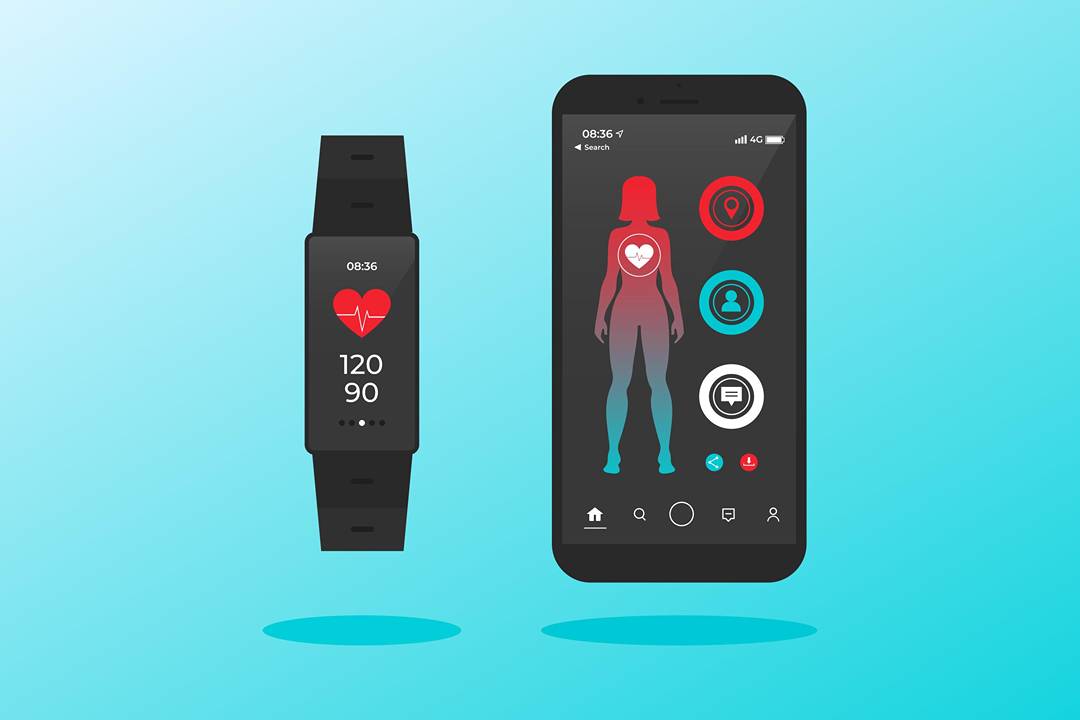
Modern life is full of stress and problems that can often throw us off balance. Most people work overtime and don't have time to take proper care of their health, and this has negative consequences for both physical and psychological well-being. In this regard, the topic of health has become particularly relevant recently, and we can observe a growing trend toward healthy eating, fitness, regular medical checkups, and taking vitamins to compensate for deficiencies in the body. Another trend that is rapidly growing in popularity is the use of wearable devices to better monitor one's well-being and acquire healthy habits. In this article, we will discuss the benefits and importance of wearable devices for modern users, as well as share how they help maintain good health in 2026.
Most of us lead a sedentary lifestyle, whether it's office work, trading on the Forex market after the MT4 download, or anything else. Such conditions have a negative impact on our well-being, and it would be nice to have an assistant who, for example, would remind us that it's time to take a break and stretch our legs. Wearable devices perform this function, among many others.
Wearable devices are smart gadgets designed to be worn on the body. They are equipped with sensors that collect data, connect to the internet, and communicate with smartphones. They not only track sleep and physical activity, but also provide connectivity and access to information.
Today, there are various types of wearable devices on the market, including smart watches, smart glasses, fitness trackers, VR headsets, smart rings, and others. All these types have in common that they provide convenient real-time health and fitness monitoring, increase productivity by allowing users to receive notifications and calls, motivate them to be active, and are maximally customizable to suit the user's preferences.
Modern wearable devices encourage users to carefully track their workouts and other physical activities. This allows them to confidently set goals, monitor their progress, and, if necessary, adjust their daily routine to achieve optimal results. Wearable devices effectively track a lot of metrics during workouts, including distance traveled, heart rate, and pace. What's more, they also offer recommendations and real-time feedback.
In addition, some smart watches and bracelets can calculate the body’s daily energy resources, while smart headphones can analyze brain activity and determine the level of concentration using electroencephalogram data.
Modern wearable devices are capable of analyzing sleep and recovery using a variety of sensors that measure heart activity and movement. They track not only heart rate, but also sleep phases (light, deep, REM), heart rate variability, and even skin temperature. They then convert the data into indicators of sleep quality and the body’s readiness for activity.
A relatively new but quite important indicator is blood oxygen saturation (also known as SpO2 pulse oximetry). It is measured using PPG sensors that track changes in blood color.
Such careful monitoring of sleep quality and recovery provides the opportunity for early detection of health problems by identifying low oxygen levels, arrhythmia, or high stress levels.
In today's world, monitoring health indicators is essential for everyone, as most of us live under constant stress. This inevitably affects our well-being, even if we think we are not reacting to it. Wearable devices greatly simplify this process and allow us to monitor key indicators ourselves. This allows you to adjust your lifestyle in time and prevent critical situations before they arise.
Modern wearable devices can measure ECG, blood pressure, and even glucose levels, which helps in the early diagnosis of diseases. Each type of these gadgets is useful to the user in its own way. For example, smart watches are excellent at counting calories and steps, as well as monitoring heart rate and analyzing sleep phases. At the same time, smart rings, for example, are capable of accurately monitoring heart rate and its variability.
Thus, wearable devices help to monitor health and form healthy habits. They are especially effective in modern living conditions, where we are constantly in a hurry and do not have enough time to devote to our health. However, it is important to remember that wearable devices are only assistants that monitor, remind, and give advice, but they are by no means a substitute for a doctor who consults and diagnoses. It is important to strike a balance and not get too carried away with wearable gadgets, and not live exclusively by the numbers they show. Enjoy the functionality and maximum performance of your wearable devices, but don't forget to get regular checkups and see a doctor. This combination will allow you to stay fit and healthy in the modern world.
Comments (0)