Innovation on the Threshold: How Healthcare is Embracing the Latest Developments
7 months ago 384

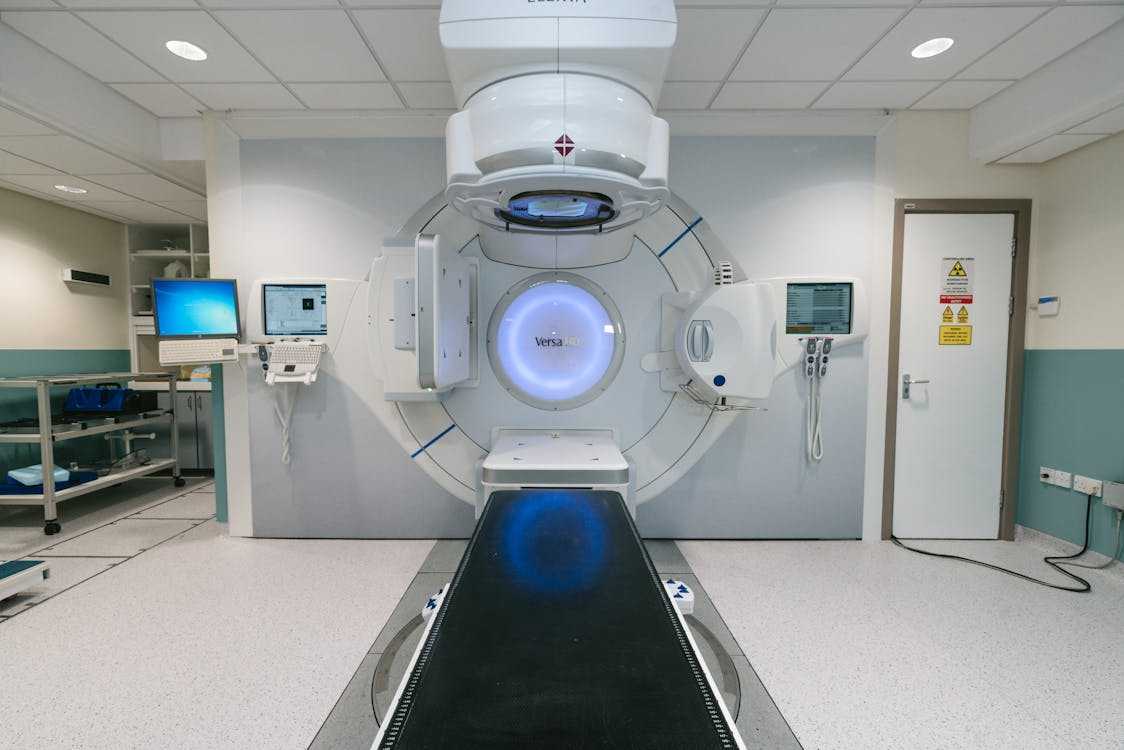
Modern technology is advancing by leaps and bounds, and healthcare is no exception. Back in the day, medical assistance was soulless, stuck somewhere between old-school reports and freezing offices. Today, things have transformed so dramatically that even doctors perceive them beyond belief.
With rapid innovations, exploring the unknown has become a common routine. For example, you can download metatrader 5 for pc to get access to the latest features in Forex trading.
Let's check upon extraordinary medical trends of 2026 that are likely to metamorphose the whole industry of the future.
The existence of state-of-the-Art healthcare devices may cause wonder, thrill, or even discomfort. For those keen on innovations, one common rule should be pronounced: medical upgrades can solve real-life issues.
Healthcare breakthroughs are not implemented blindly, as most are tested first. If a diagnostic tool can't mitigate human factors or boost patients' welfare, there is no need for it.
Can novelties ultimately make our lives more well-balanced and stress-free? If not, there is no point in adding this technology to a medical wishlist.
1. Immersive AR/VR for Medical Education and Patient Care
In the medical sector, AR/VR is not incorporated for entertainment purposes. Patient engagement becomes a priority as long as they wish to participate.
No longer just a futuristic gimmick, augmented reality helps surgeons rehearse high-risk interventions, allows medical interns to get under the hood of the human body, and gives patients a clear, interactive view of what's happening inside their bodies.
It can be claimed that these tools bridge the gap between unembellished truth and first-hand experience, guaranteeing spatial understanding that old-established methods cannot replicate.
Osso VR: A surgical training platform that is VR-based, simulating real-life procedures for residents and operating physicians.
License: Corporate, Academic
It is beyond human capacity to investigate every symptom, perform every CT scan, or find an immediate cure for terminal diseases. On the contrary, AI is designed with this purpose in mind.
AI-powered diagnostics have already taken a lot of the weight off doctors' shoulders, helping them identify abnormalities in a more convenient way. From radiology to dermatology, machine learning models decipher symptoms that can confuse even seasoned professionals.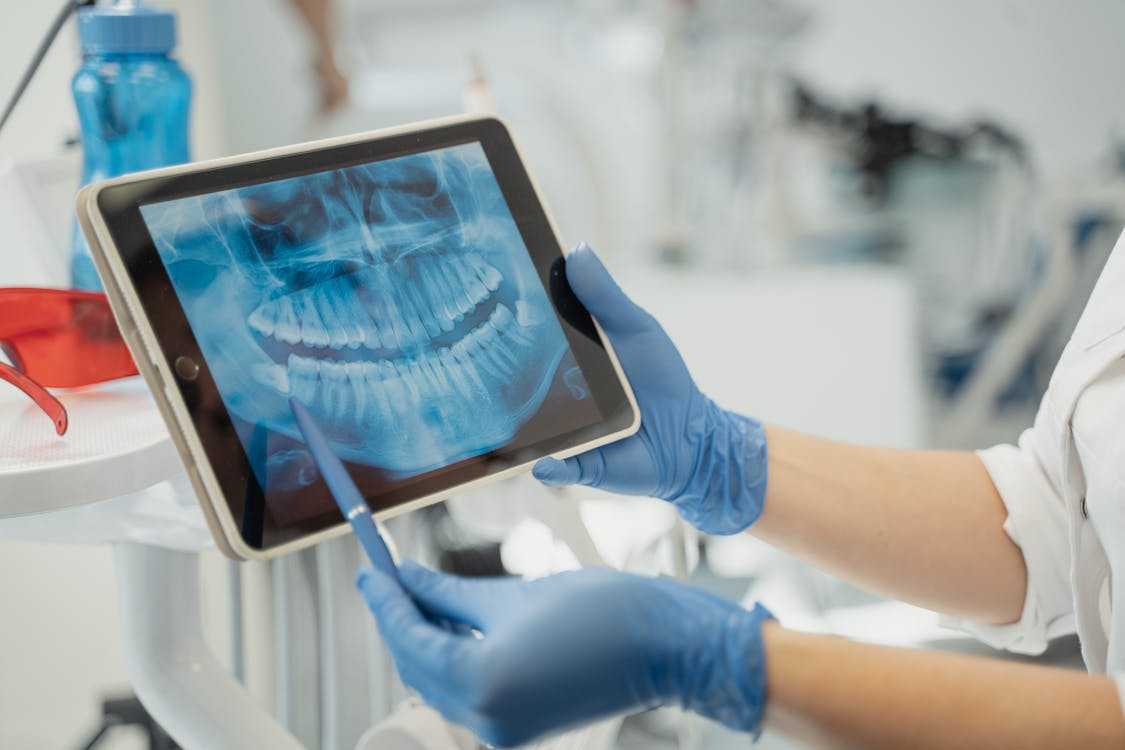
You may wonder if human doctors can be replaced in the near future. We would rather disagree, because AI is simply a trustworthy extra opinion, which can speed up the treatment solution.
Aidoc: an AI-powered platform that detects acute anomalies in medical images.
License: Commercial, custom integrations available
It is obvious that plain illustrations are insufficient to convey the complexity of the human body. Whether expanding knowledge of anatomy and physiology or interpreting diseases in patients, 3D visualization in medicine simplifies this task greatly.
3D visualization goes beyond the concept of body demonstration; rather, it catalyzes its exploration. From rotating organs to zooming in on microscopic pathologies in motion, these technological innovations are really handy.
BioDigital Human: a dynamic 3D platform for taking a glimpse into the human body, diseases, and tools for cure.
License: Personal with a limited free version; institutional and corporate paid plans
Have you ever considered the number of people who are simply deprived of medical care due to a wide array of reasons? Fortunately, these limitations are gradually sinking into oblivion, and new healthcare standards are arising instead.
Traditionally, visiting a doctor was coupled with long waiting hours and mediocre service, but an innovative era of medicine has already begun. In 2026, achievements in telemedicine are granting access for everyone, from routine checkups to sophisticated surgeries.
For those residing in the middle of nowhere or suffering from mobility issues, having access to improved standards is a lifesaver. An exemplary level of personalized care and well-being is coming forward.
Teladoc Health: A global leader in virtual care, providing everything from general medical care to mental health and chronic disease support.
License: Subscription, insurance-based.
Sceptics evaluate the presence of robotics in the operating room as a big disadvantage; however, things are slightly different now.
Boldly establishing its presence in operating rooms while taking precision to a whole new level, surgery automation is narrowing critical mistakes within the challenging environment.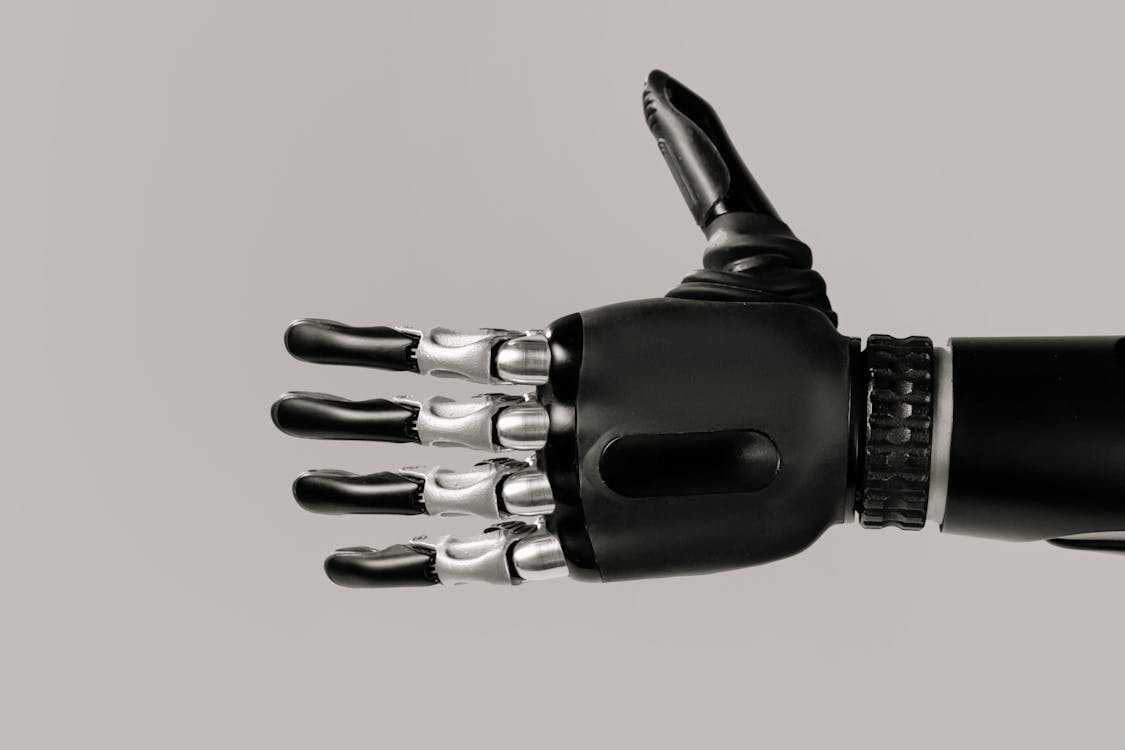
Simultaneously, cybernation of medical space helps with instrument handling, patient monitoring, and even suturing, giving surgeons more precise control and an undisturbed environment.
Intuitive's da Vinci Surgical System: A well-received robotic platform that enables minimally invasive procedures with maximum precision.
License: Commercial, for hospital installations
The healthcare of today is a blend of inclusivity, a patient-centered approach, and intuition. Computerized approach creates an effective medical room, packed with innovations that might someday rescue our lives.
Comments (0)